Roche Holding AG secured CE marking for the Elecsys plasma phosphorylated-tau 217 blood test designed to rule in and rule out amyloid pathology, a hallmark of Alzheimer's disease. Developed with Eli Lilly and Co., the test brings to the market another much-needed solution to help clinicians diagnose Alzheimer’s patients following the FDA approval of Fujirebio Diagnostics Inc.’s blood test last year.
Roche Holding AG has agreed to acquire Pathai Inc. for up to $1.05 billion in a bid to strengthen its position in digital pathology and enhance its biopharma services. The move builds on a partnership established between the two companies in 2021, and expanded in 2024, to include the development of AI-enabled companion diagnostic algorithms.
Caredx Inc. has agreed to acquire Naveris Inc., a precision oncology diagnostics company, for up to $260 million, as part of its strategy to accelerate growth. The acquisition comes as Caredx, an organ transplant diagnostic firm, reshapes its portfolio, expanding its oncology profile while recently divesting its lab products business.
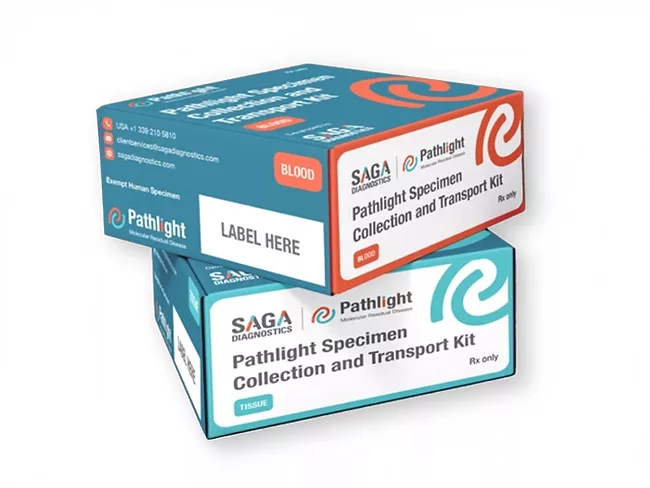
Nearly a year after the first U.S. commercial launch of the multicancer molecular residual disease (MRD) detection platform Pathlight, developer Saga Diagnostics entered a definitive merger agreement under which Roche Holding AG subsidiary Foundation Medicine Inc. will take over the firm in return for up to $595 million in payments.
A new metasurface design strategy that replaces rigid order with “engineered disorder” could significantly increase how many optical functions can be integrated into a single ultra-thin device without increasing size or complexity, according to a study published in Nature Communications. The study challenges a longstanding assumption in optical engineering that highly ordered, periodic structures are required to precisely control light.
Regeneron Pharmaceuticals Inc. is entering the radiopharmaceutical space via a collaboration with Telix Pharmaceuticals Ltd. to jointly develop and commercialize next-generation radiopharmaceutical therapies.
Revenio Group Oyj has agreed to acquire ophthalmic diagnostics company Visionix International SAS for an enterprise value of €290 million (US$339 million) as it looks to become a leading player in the global eye care market. The deal expands Revenio’s offering with a highly complementary product and software portfolio, including optical coherence tomography equipment, an important and growing segment which is new to the company.
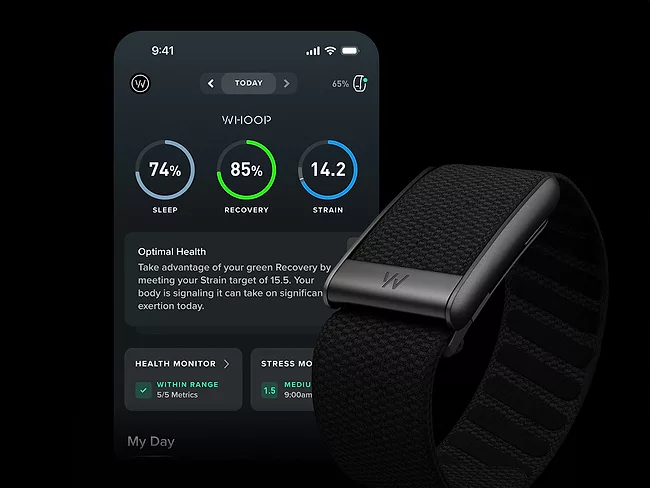
Whoop Inc. secured $575 million in a series G funding round at a $10.1 billion valuation to advance its AI-powered wearable platform for personalized and preventive health care. Abbott Laboratories joined the round as a strategic investor, backing the company’s push to expand access to its device amid growing demand.
What do a patent dispute over a CRISPR/Cas system, a rejected whistleblower case involving lab tests and a vaccine injury claim parading as multidistrict tort litigation have in common? All three were denied cert in the U.S. Supreme Court’s latest orders list.
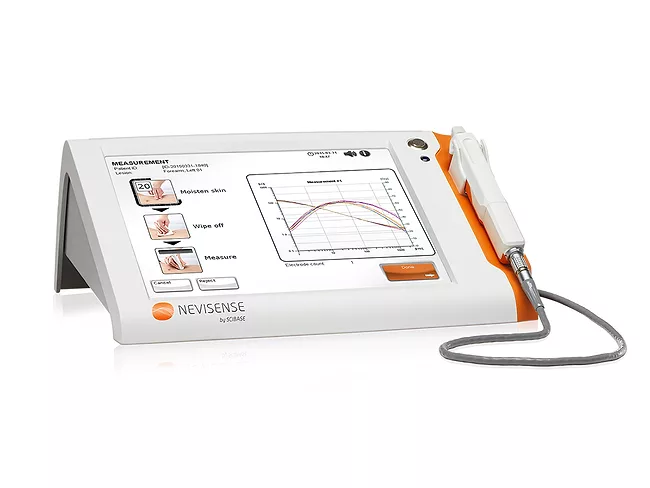
The U.S. FDA has issued a final order to reclassify optical diagnostic devices for melanoma detection and electrical impedance spectrometers from class III to class II, with special controls required.
 RSS
RSS