South Korean researchers from the Gwangju Institute of Science and Technology (GIST) developed a new fluorescence-based lateral-flow immunoassay (LFI) enhanced with gold nanorod (GNR)-based probes to detect viral infections like the influenza A virus.
The time to diagnosis of sepsis infection to a patient in the hospital can be critical, with underdiagnosis resulting in rapid deterioration, risk of organ damage and need for readmission, and overdiagnosis leading to the avoidable and sometimes serious health consequences of overtreating patients with broad-spectrum antibiotics.
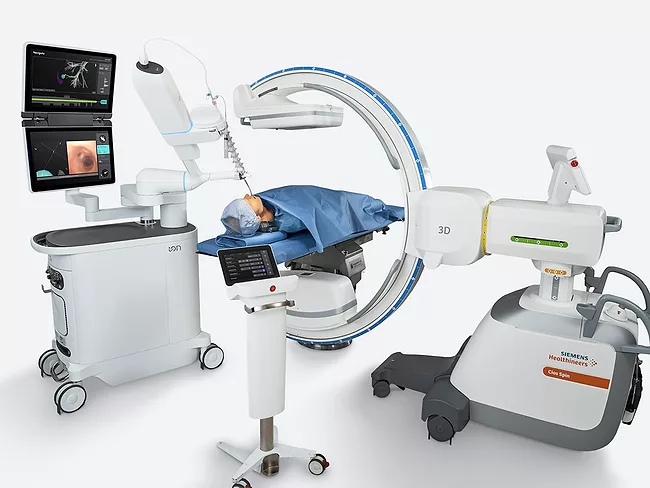
Siemens Healthineers AG appears to be committed to its Diagnostics business after Jochen Schmitz, CFO, pushed back at rumors speculating that the German company was looking at options for the underperforming segment, including a sale.
The U.S. FDA granted Roche Holding AG breakthrough device designation for its Elecsys Neurofilament Light Chain test for multiple sclerosis. The Elecsys NfL test can aid in the detection of disease activity in adults, 18-55 years old, with relapsing-remitting multiple sclerosis or secondary progressive multiple sclerosis. It also provides critical information for managing the disease.
Royal Philips NV received a second round of funding from the Bill & Melinda Gates Foundation to speed adoption of artificial intelligence (AI) algorithms on the Lumify hand-held ultrasound device, bringing its total commitment to the project designed to reduce maternal mortality to $60 million.
Japan’s Yamaha Motor Co. Ltd. is driving efforts in precision medicine by spinning out antibody profiling business Tuning Fork Bio to analyze antibodies in blood to better visualize people's current health conditions.
Abbott Laboratories received U.S. FDA approval for its molecular human papillomavirus (HPV) screening test, expanding the company’s cancer screening tools. The new member of the Alinity M family of diagnostic assays can be used for screening, as recommended by current guidelines, as well as diagnosis and provide detailed information on the potentially cancer-causing genotypes of the virus.
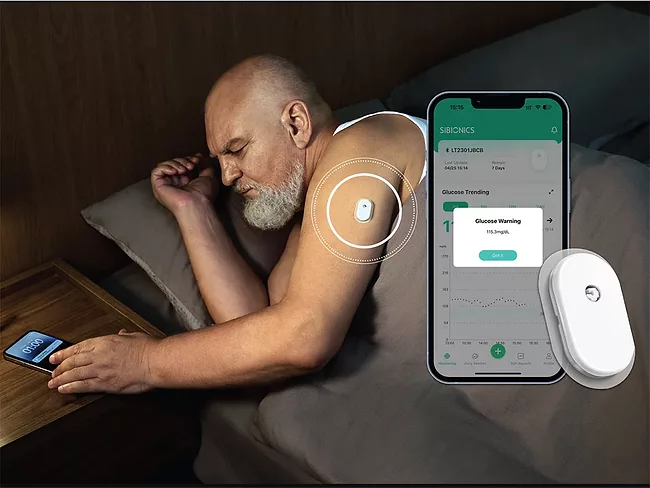
Sibionics Technology Co. Ltd. said it received the CE mark for its continuous glucose monitoring (CGM) system, coined the Sibionics GS1 CGM, helping the company expand its market opportunities beyond China.
Quibim SL and Royal Philips NV have teamed up to utilize their artificial intelligence (AI)-enabled solutions to help clinicians deliver faster diagnosis and treatment of patients with prostate cancer. The partnership will see Philips AI-based magnetic resonance (MR) imaging technology integrated into Quibim’s AI based QP-Prostate software, to automate real-time prostate gland segmentation in MR images, and generate meaningful quantitative insights, as well as standardize MRI prostate exam reporting.
The U.S. FDA’s draft rulemaking for regulation of lab-developed tests (LDTs) came with a conspicuously short comment period of 60 days, but the agency is unresponsive to requests to add another 30 days to the comment period.
 RSS
RSS