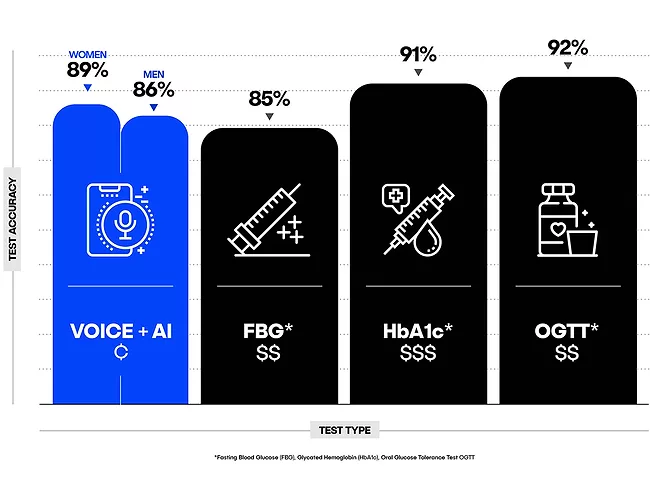
An artificial intelligence (AI) algorithm using voice technology developed by Klick Inc. could be a game changer for diagnosis of type 2 diabetes, helping to identify the 50% of individuals who unknowingly have the disease. The technology uses a six- to 10-second voice clip spoken into a smartphone plus basic health data to detect diabetes in close to nine out of 10 individuals, a study published in Mayo Clinic Proceedings: Digital Health found.
In a new report from the U.S. International Trade Commission (USITC), concerns about global inequities accessing diagnostics and medicines for COVID-19 reveal that there are varied and divergent opinions on whether the intellectual property (IP) protections that support the development of new medicines may also act as a barrier to access, particularly in developing countries. In December 2022, U.S. Trade Representative Katherine Tai asked the USITC to respond and identify significant data and information gaps.
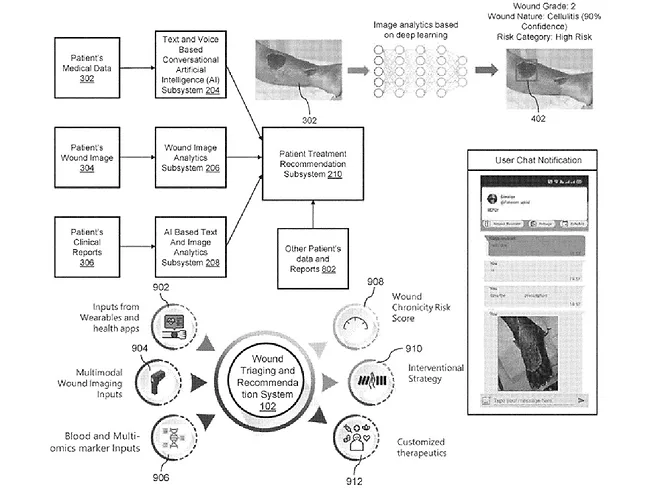
Geethanjali Radhakrishnan, founder and managing director of Chennai, India-based Adiuvo Diagnostics Pvt. Ltd. reported filing for patent protection for a digital assistant for wound triaging and treatment recommendations.
Scientists at Washington University in St. Louis reported filing patent protection for their breath test that quickly identifies those infected with SARS-CoV-2, requires only one or two breaths to be performed, and provides results in less than a minute.
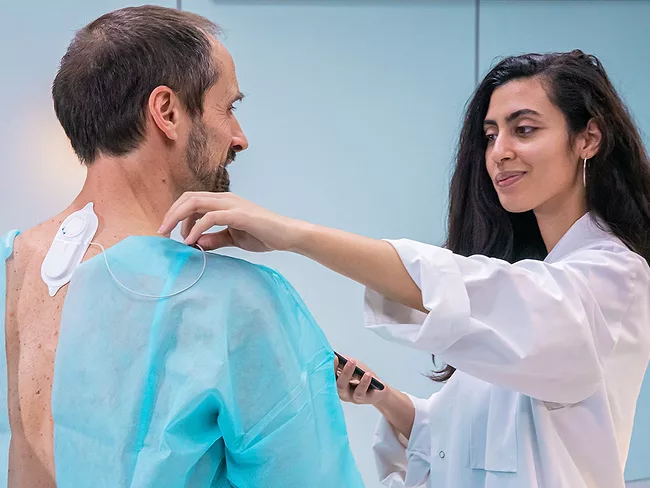
The recent greenlight from European regulators to Tasso Inc. to market its Tasso+ device in the EU brings another solution to the market for blood collection Tasso has developed the Tasso+, a single-use blood lancing device that collects a microliter capillary blood from the upper arm. Tasso claims that it is the first device of its kind to get both CE mark and U.S. FDA approval.
The European Commission (EC) has ordered Illumina Inc. to sell Grail Inc. after it closed the acquisition without approval from EU regulators. The EC said that if Illumina fails to comply with the order, the company faces fines of up to 5% of its daily aggregate revenue or up to 10% of its annual worldwide revenue.
AOA Dx Inc. closed an oversubscribed $17 million seed round to expand the clinical trial for its ovarian cancer diagnostic test, build out new lab facilities and explore applications of its Glycolocate platform in other cancers. The platform uses tumor marker gangliosides to enable early cancer. A recent study demonstrated that the test had more than 90% sensitivity and specificity for ovarian cancer detection across all stages.
Rhythm Diagnostic Systems SA (RDS) received €1 million (US$1.1 million) from Capital Grand Est, the first venture capital (VC) firm to join its investor pool, taking its total seed capital raised to €13 million. RDS will use the funds to progress toward the next stages in the development of its Multisense product, a remote patient monitoring solution, including market launch, once it receives CE mark from the European authorities expected by the end of the year.
The U.S. FDA’s draft rule for regulation of lab-developed tests (LDTs) carries an exceptionally ambitious timeline of completion and enactment by the time the next user fee agreement kicks in, and some see big problems with the timeline laid out by the agency. However, the FDA’s Elizabeth Hillebrenner said that Congress can tweak user fee legislation such that a specific set of user fee sources kicks in off schedule, thus giving the agency a little more leeway in completing any activity related to the proposed rule.
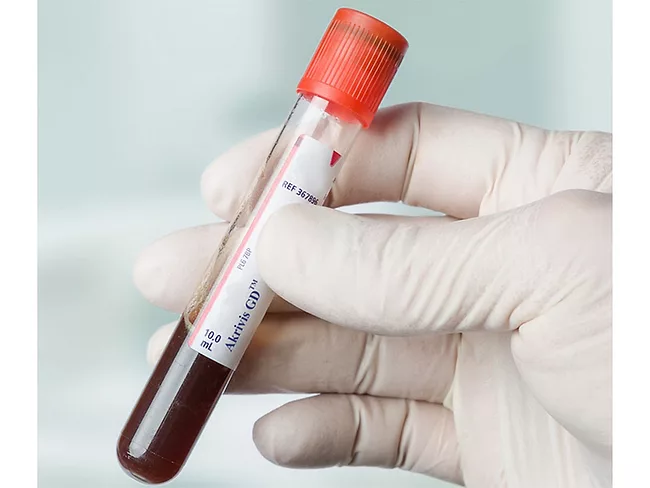
Precede Biosciences Inc. emerged from stealth having raised $57 million in seed and series A financing to fund its genome-wide platform. The blood-based platform detects and provides critical insight into the biological activity of genes and pathways in diseased tissue to improve care and development of new therapeutics.
 RSS
RSS