The U.S. FDA’s draft rule for lab-developed tests (LDTs) has proven to be every bit as controversial as expected, although the controversy is only marginally about the workload that would come with rulemaking.
Omini SA hopes that the multiplexed blood testing platform it is developing will transform the lives of patients suffering from heart failure. With its multiplex, sensor-based testing strip that simultaneously measures four key biomarkers from a single drop of blood, the company’s technology should increase the chance of a patient’s survival and reduce pressure on health care systems, Joanne Kanaan, CEO and co-founder of Omini, told BioWorld.
The U.S. FDA’s draft rule for regulation of lab-developed tests (LDTs) was accorded a mere 60 days for comment, but nonetheless drew support from a number of stakeholders, including Foundation Medicine of Cambridge, Mass.
The U.S. FDA’s advisory hearing on multi-cancer detection (MCD) tests suggests that the premarket requirements for these tests will be rigorous, if only because the agency stated at the outset of the hearing that it sees these tests as class III devices. However, the advisory committee also suggested that a registry be established to track outcomes for these tests, a requirement that is likely to prove expensive and time-consuming to fulfill.
On Dec. 1, a judge in the U.S. District Court for the District of Delaware granted Natera Inc. a permanent injunction in its patent infringement suit against Archerdx Inc. and its former parent company, Invitae Corp., adding another block to the intellectual property wall of protection around the market dominance of Signatera, Natera’s molecular residual disease (MRD) assay.
Researchers at F. Hoffmann-La Roche Ltd. and Hoffmann-La Roche Inc. have synthesized radiolabeled compounds acting as GABA(A) receptor subunit α2β2γ1 (GABRA2) positive allosteric modulators acting as positron-emission tomography (PET) and autoradiography imaging agents reported to be useful for the diagnosis of neurological disorders.
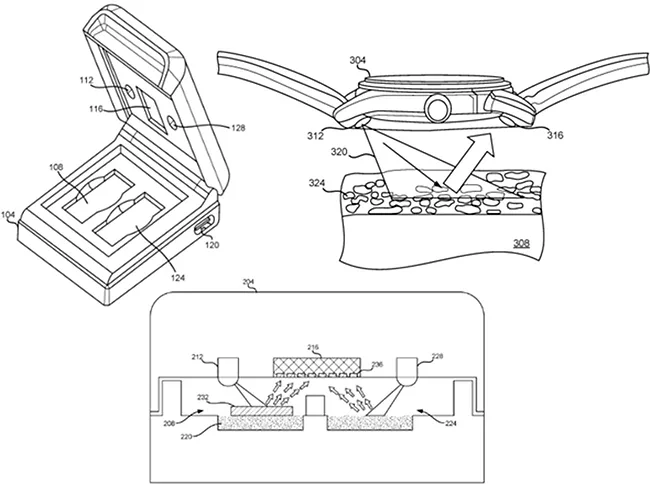
Researchers at the University of California, Davis (UC Davis) have developed a method of biofluid assessment capable of real-time monitoring as well as compatible with machine learning and neural network processing.
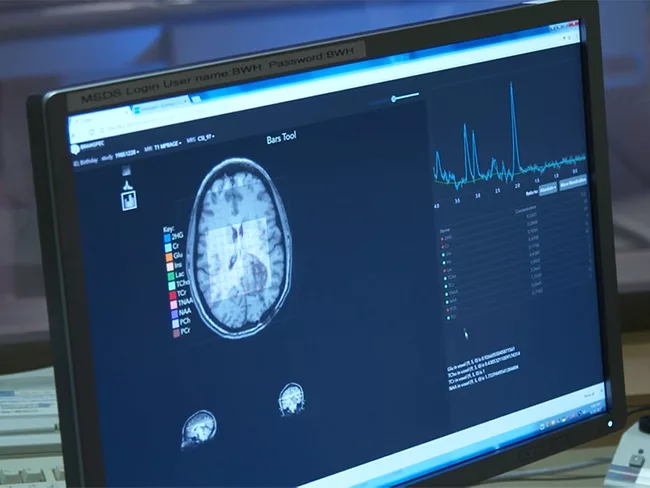
Brainspec Inc. received U.S. FDA 510(k) clearance for use of its artificial intelligence platform, Brainspec Core, in noninvasive measurement of brain chemistry using magnetic resonance spectroscopy (MRS).
Inflammatix Inc. received U.S. FDA breakthrough device designation for its Triverity acute infection and sepsis test system, which produces three readouts that could help emergency physicians quickly determine the proper course of treatment.
The Cari-Heart, a medical imaging technology which detects signs of inflammation around coronary arteries, can predict the risk of a cardiac event, independent from clinical risk scores and the interpretation of coronary computed tomography angiography (CCTA), according to data from a study presented at the recent American Heart Association Scientific Sessions.
 RSS
RSS