Medtronic plc received the greenlight from the U.S. FDA for its latest deep brain stimulation system, the Percept RC. The rechargeable neurostimulator includes the company’s sensing technology which captures data from brain signals and allows for more personalized therapy.
The U.S. FDA’s latest draft guidance on discussions of off-label uses with doctors revisits a controversial subject that has previously migrated into the courts, and by some accounts, may do so yet again. In comments to the docket, the Washington Legal Foundation (WLF) argued that this latest attempt to regulate commercial speech is another example of the agency’s “flagrant disregard for drug and device manufacturers’ free speech rights,” which WLF seemed to suggest is an actionable violation of the First Amendment.
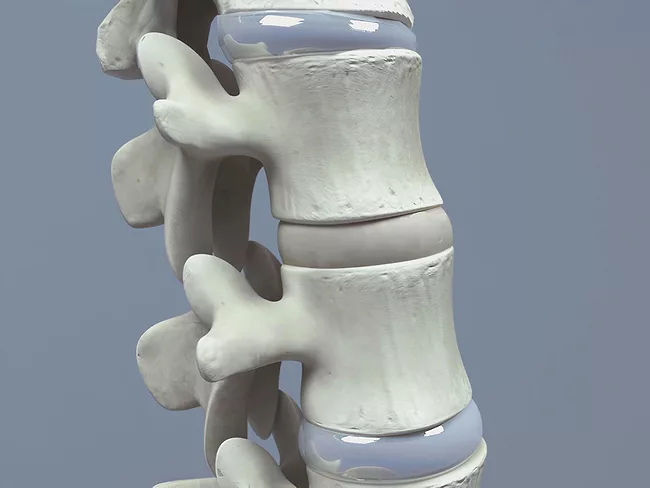
The U.S. FDA granted breakthrough device designation to CG Bio Co. Ltd.’s spine implantation device, Novosis putty, making it the first bone substitute material developed in South Korea to gain the agency’s priority support. Novosis putty, successor to CG Bio’s first generation Novosis Ortho, combines a bone-forming protein called recombinant human bone morphogenetic protein 2 (rhBMP-2; Nebotermin) with ceramic scaffolds to accelerate bone growth.
The U.S. FDA might still be seen as the premier med tech regulatory entity in the world, but the agency is badly outnumbered by companies in the life sciences, which are pumping out artificial intelligence algorithms at a breathtaking pace. Further, the FDA must also avoid being lapped by industry in connection with the regulatory novelty known as the predetermined change control plan, a challenge that put the agency’s device center in scramble mode for essentially the entirety of calendar year 2023.
Are there other guidances the U.S. FDA should release as final without going through the draft and public comment process first? That’s one of the questions the FDA wants stakeholders to comment on as it updates its best practices for guidance.
An FDA culture that discourages scientific disagreement with U.S. administration policies may be a perennial problem regardless of the party in power. That’s one of the between-the-lines takeaways from a Jan. 3 letter the Republican leadership of the House Energy and Commerce Committee sent to FDA Commissioner Robert Califf – along with a stern warning that the agency had better respond in a timely manner.
The U.S. FDA’s Center for Devices and Radiological Health is no stranger to controversy, but the final guidance for clinical decision support (CDS) systems seems to have broken new ground in this regard.
Renovos Biologics Ltd. was granted a U.S. FDA breakthrough device designation for its Renovite BMP-2 (bone morphogenetic protein-2) product, which is designed for interbody spinal fusion.
The U.S. FDA granted breakthrough device designation for CT-155, a prescription digital therapeutic co-developed by Boehringer Ingelheim GmbH and Click Therapeutics Inc. to treat the negative symptoms of schizophrenia. Designed as an adjunctive to pharmaceutical therapy for schizophrenia, among the most challenging mental health conditions to treat, the PDT is one of several products in the collaboration’s pipeline.
At first glance, the U.S. FDA’s draft guidance for evidentiary expectations for 510(k) implants seems to demand more rigor on these applications, but some in industry believe that several of these elevated requirements offer little or no commensurate benefit. Geeta Pamidimukkala of the Advanced Medical Technology Association (Advamed) said the draft would seem to require that manufacturers preemptively explain the exclusion of animal testing, a requirement she said creates more work for both industry and FDA without offering a meaningful benefit.
 RSS
RSS