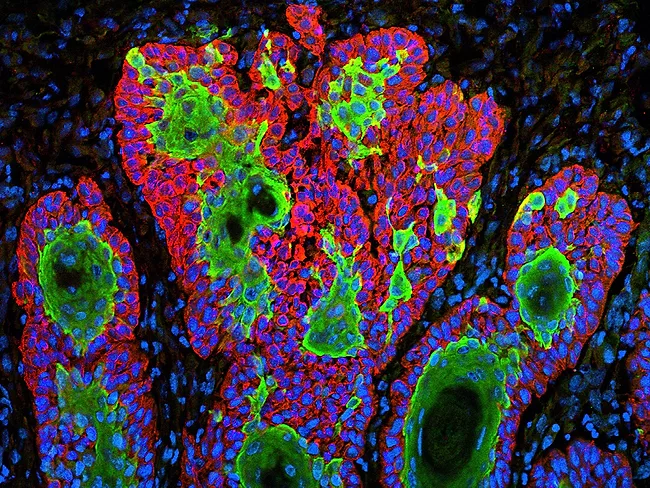
Squamous cell carcinoma (SCC) consists of heterogeneous tumors that originate from surface epithelial cells, with a dynamic keratinocyte (KC)-specific network of epigenetic modifications and transcription factors (TFs) being involved in squamous cell fate determination and oncogenesis. In recently published work, researchers from Massachusetts General Hospital and affiliated organizations aimed to identify kinases that control these processes and could therefore have therapeutic applications.
It is known that Bruton tyrosine kinase (BTK) is an essential enzyme for the FcεRI signaling pathway and is thought to be a target to prevent IgE-mediated allergic reactions. Researchers have hypothesized that the BTK inhibitor acalabrutinib may prevent reactivity to peanuts in patients with peanut allergy.
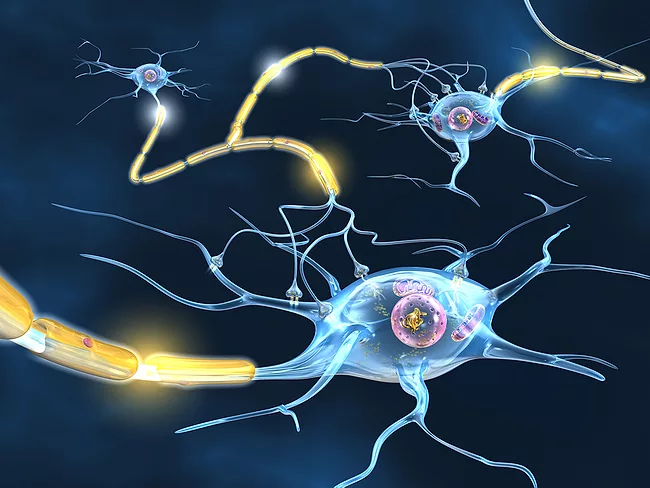
Previous research has suggested that neurons in multiple sclerosis (MS) exhibit metabolic exhaustion, believed to be caused by chronic hyperexcitability, which can lead to neurodegeneration. Researchers from Heidelberg University and affiliated organizations aimed to investigate the role of nodal Kv7 (outward rectifying) and perinodal oligodendroglial Kir4.1 (inward rectifying) channels as potential therapeutic targets for neuroprotection through balancing of neuronal excitability caused by inflammatory demyelination.
Researchers from Revolo Biotherapeutics Ltd. have presented preclinical data for IRL-201104, a clinical-stage immunomodulatory peptide that has previously demonstrated a long-lasting effect in different preclinical models of allergic inflammation. In the new studies, the candidate was assessed in models of food allergy.

 RSS
RSS