F. Hoffmann-La Roche Ltd. and Hoffmann-La Roche Inc. have described NLRP3 inflammasome inhibitors reported to be useful for the treatment of asthma and chronic obstructive pulmonary disease (COPD).
Kyung Hee University and ST Pharm Co. Ltd. have patented ergostenol derivatives described as potentially useful for the treatment of inflammatory bowel disease (IBD).
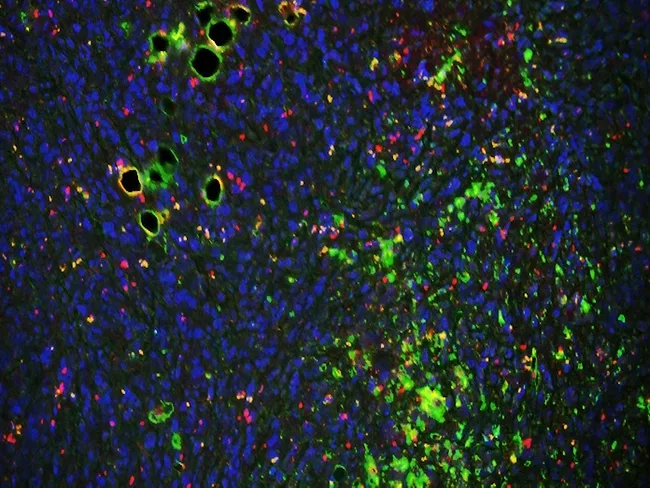
Researchers from Yale University and affiliated organizations published data from a study that aimed to assess the mechanistic and pathophysiological importance of plaque-associated axonal spheroids (PAASs) in Alzheimer’s disease (AD).
The hepatitis C virus (HCV) is so common that it infects approximately 0.7% of the world population to ultimately cause ~300,000 deaths each year. Small molecule-based antivirals can cure most HCV infections, but these are often only used after irreversible liver damage has already occurred, prohibitively expensive, and inaccessible for high-risk populations.
Researchers from Southeast University and Huanghuai University have reported the discovery of novel cyclin-dependent kinase 9 (CDK9) inhibitors as potential anticancer agents.
CSPC Pharmaceutical Group Ltd. announced that it has been granted approval by the National Medical Products Administration (NMPA) to conduct clinical trials in China with its oral small-molecule cyclin-dependent kinase 2/4/6 (CDK2/4/6) inhibitor, SYH-2043. In preclinical studies, SYH-2043 demonstrated good antitumor effects in multiple solid tumor types, especially in breast cancer with intrinsic resistance and acquired resistance against CDK4/6 inhibitors.
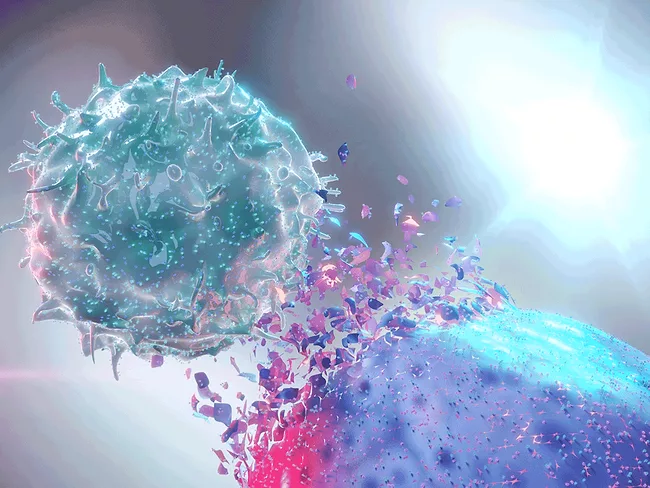
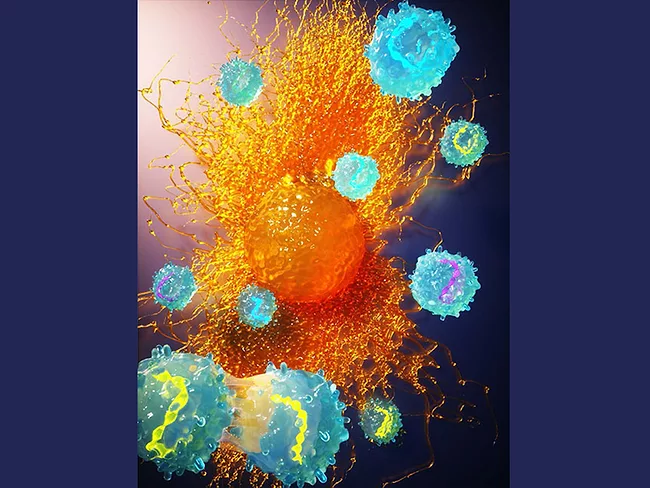
Researchers from Cytovia Therapeutics Inc. have presented preclinical data for the novel natural killer (NK) cell engager antibody CYT-338, which was designed using the proprietary FLEX-NKTM platform. CYT-338 contains a novel FLEX-linker to redirect NK cells expressing NKp46 activation receptor to kill CD38-expressing tumors, including multiple myeloma (MM). It was observed that the addition of CYT-338 led to dose-dependent enhancement iNK and PBNK cytolysis of the MM tumor spheroids.
The controlled cell death process of apoptosis functions as the first step to any full recovery from injury or disease. In the second step of any recovery process, dead cells are cleared by efferocytosis, a process performed by phagocytotic cells like macrophages. Approximately 200-300 billion apoptotic cells are cleared daily by efferocytosis starting with the recognition of newly extracellular facing phosphatidylserine (PtdSer) by PtdSer-binding proteins present on phagocytotic cells.
In 2022, neuroscience research made significant advances by understanding the role of large-scale neuronal connections in disorders. So did cancer research.

 RSS
RSS