An in-depth investigation of the underlying causes of pulmonary symptoms that in some cases persist for months following recovery from the acute stage of COVID-19 has found a distinctive proinflammatory signature in the plasma and airways of affected patients. The research could provide an explanation for the ongoing interstitial lung disease and fibrosis seen in patients who were hospitalized with severe COVID-19, and also point to neutrophils as a specific therapeutic target.
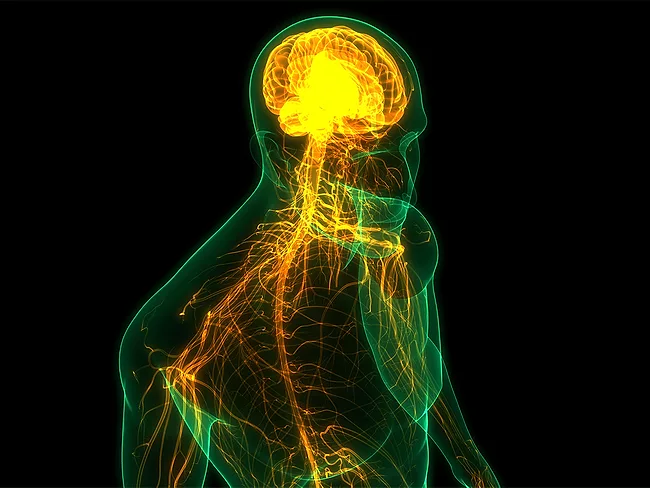
Two studies published this week have reported new insights into the role of the nervous system in tumors outside of the brain. Researchers at the Shanghai Jiao Tong University School of Medicine have identified a role for pain-sensing neurons in helping oral carcinomas cope with nutrient starvation, and that this interaction could be blocked by the calcitonin gene-related peptide (CGRP)-targeting migraine drug Nurtec ODT (rimegepant; Biohaven Pharmaceutical Holding Co. Ltd.).
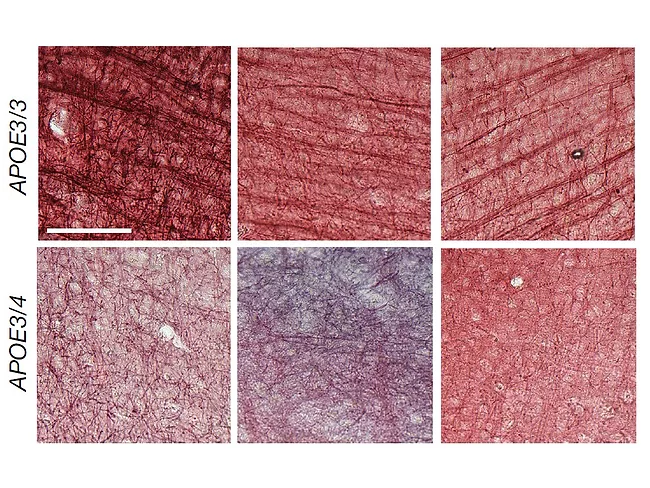
Carrying the apolipoprotein E4 allele (APOE4), and not the APOE3 variant, is the strongest risk factor for developing Alzheimer’s disease (AD). But the underlying mechanism has remained elusive. Now, researchers at MIT and Mount Sinai have found that in brains carrying the APOE4 allele, lipid and cholesterol processes were dysregulated in oligodendrocytes and that this effect reduced myelination.
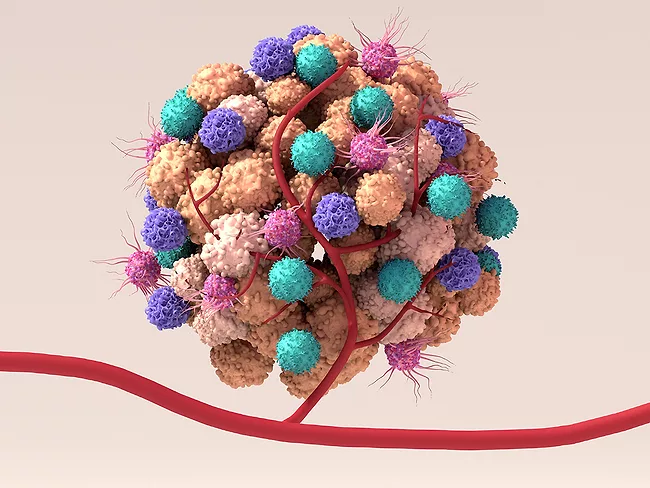
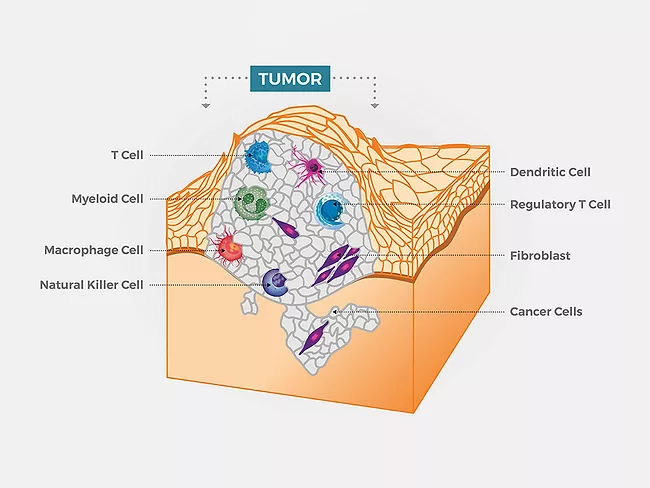
Elevatebio LLC and Affini-T Therapeutics Inc. have entered into a partnership to advance Affini-T's engineered T-cell therapies focused on KRAS, an oncogenic driver mutation in solid tumor cancers.
New and updated preclinical data presented at the Society for Immunotherapy of Cancer's 37th Annual Meeting in Boston, by:
GI Cell, Maia Biotechnology.

 RSS
RSS