Aptevo Therapeutics Inc. has unveiled two new trispecific candidates, APVO-452 for prostate cancer and APVO-451 for solid tumors. Powered by the company’s Adaptir-Flex platform, each trispecific immune cell engager biologic brings together tumor targeting, T-cell activation and immune costimulation in a single molecule.
Metabolic dysfunction-associated steatotic liver disease (MASLD) now affects over a third of adults worldwide. Its progressive form, metabolic dysfunction-associated steatohepatitis (MASH), is a leading driver of cirrhosis, cancer and liver transplants while often coexisting with diabetes, obesity and cardiovascular disease.
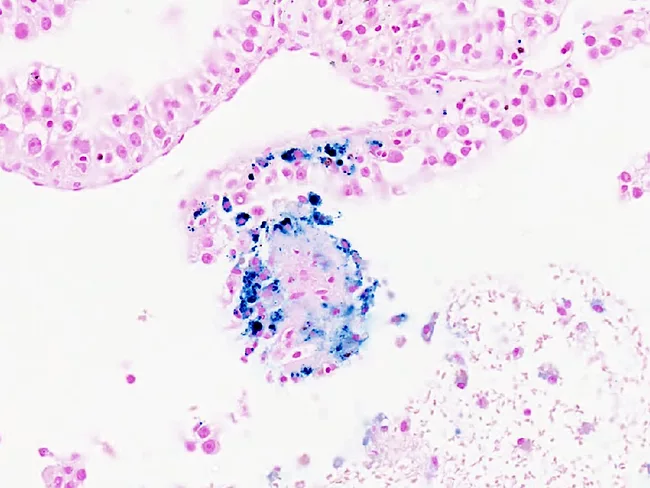
If a cancer patient has bone metastases, they will frequently have anemia as well. Given that the bone marrow is the site of blood cell formation, this observation is perhaps not unexpected. But its molecular underpinnings had been unclear to date. Now, researchers at Princeton University and the Rutgers Cancer Institute of New Jersey have identified a specialized group of iron-transporting macrophages in the metastasis-anemia link.
Humanwell Pharmaceutical US Inc. has described sodium channel protein type 10 subunit α (SCN10A; Nav1.8) blockers reported to be useful for the treatment of pain, arrhythmia, cough, urinary incontinence and multiple sclerosis.
Gilead Sciences Inc. has identified 3C-like proteinase (3CLpro; Mpro; nsp5) (SARS-CoV-2; COVID-19 virus) inhibitors reported to be useful for the treatment of SARS-CoV-2 infection (COVID-19).
Boehringer Ingelheim Pharma GmbH & Co. KG has disclosed glutaminyl-peptide cyclotransferase (QPCT; QC) and glutaminyl-peptide cyclotransferase-like protein (QPCTL; IsoQC) inhibitors reported to be useful for the treatment of cancer, fibrosis, atherosclerosis and more.
Onco3r Therapeutics BV has obtained clinical trial application (CTA) approval by the Belgian regulatory authorities for its SIK3 inhibitor O3R-5671. A first-in-human trial will be conducted in Belgium and is expected to open enrollment in the coming weeks. Final data are expected in the first half of next year and will inform subsequent patient trials across a range of autoimmune diseases, which are planned to commence next year.
Previous studies have shown that neuroinflammation within the brain significantly contributes to the development and progression of hypertension. Neurogenic hypertension is defined as chronically high blood pressure that is initiated and maintained through excessive activity of the sympathetic nervous system, and is associated with increased activation of the kinin B1 receptor (B1R). Moreover, the dysregulation of the kallikrein kinin system and its receptors, particularly B1R, is involved in cardiovascular diseases and other pathological conditions associated with inflammation.
 RSS
RSS