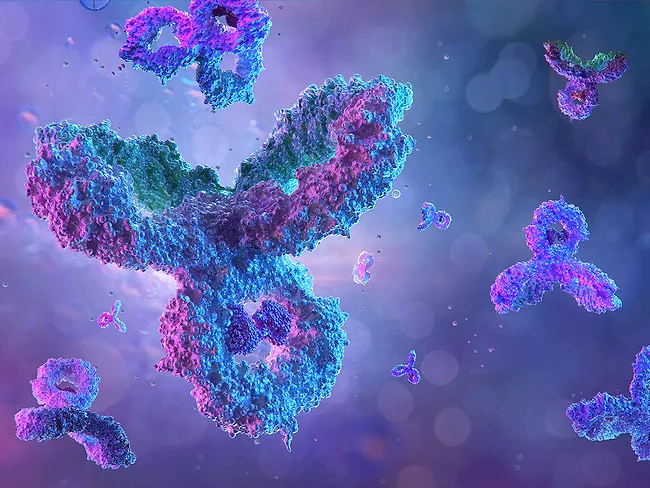
Onward Therapeutics SA’s subsidiary Emercell SAS has received investigational medicinal product dossier (IMPD) approval from the EMA to initiate a phase I trial of OT-C001, an allogeneic natural killer (NK) cell therapy, in combination with an anti-CD20 monoclonal antibody, rituximab.
Gastrointestinal stromal tumors (GISTs) are a diverse group of tumors that account for about 80% of mesenchymal neoplasms in the gastrointestinal tract. Tyrosine kinase inhibitors (TKIs) against KIT and PDGFR-A have proven useful in patients with GIST, but resistance to therapy frequently occurs.
Tagworks Pharmaceuticals BV has received IND clearance from the FDA for a phase I trial evaluating its antibody-drug conjugate (ADC) TGW-101 in patients with advanced solid tumors. The company has initiated the first-in-human trial.
Granite Bio AG has emerged from stealth with $100 million in series A and B funding and a focus on developing first-in-class antibodies that target the root causes of a variety of inflammatory, autoimmune and fibrotic conditions.
Bacillus Calmette-Guérin (BCG) remains the primary treatment for patients with high-risk bladder cancer, but resistance develops in 30% to 40% of cases. The use of oncolytic viruses has emerged as a promising alternative therapeutic strategy.
Varicella-zoster virus (VZV) causes chickenpox and shingles, while herpes simplex virus (HSV) is responsible for oral and genital herpes. Although current treatments mainly focus on inhibiting viral replication, there is a critical need for new therapies to address the limitations and side effects associated with existing treatments.
Avidicure BV has launched with a $50 million seed financing round and a focus on developing dual agonistic, multifunctional and avidity engineered antibodies, or AVC-Boosters, to deliver targeted and potent cancer monotherapy.
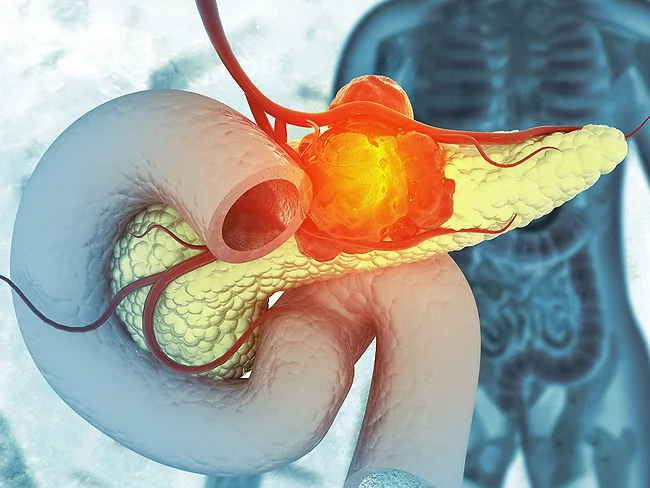
A metabolic vulnerability of pancreatic ductal adenocarcinoma (PDAC) could be used to address this type of cancer that often resists treatments. Scientists at the University of Michigan have discovered that inhibiting the PIKfyve enzyme prevented tumor development and reduced tumor growth by altering the lipid synthesis these cells rely on. The KRAS-MAPK pathway is involved in this process, leading the researchers to suggest that dual inhibitors of PIKfyve and KRAS-MAPK could be an effective therapeutic strategy.
Hepaitech (Beijing) Biopharma Technology Co. Ltd. has described Mas-related G-protein coupled receptor member X4 (MRGPRX4; SNSR5; SNSR6) antagonists reported to be useful for the treatment of anemia, fungal infections, HIV infections, renal disorders, liver diseases, psoriasis, pruritus and urticaria, among others.
Hangzhou Polymed Biopharmaceuticals Inc. has divulged molecular glue degraders comprising cereblon (CRBN) binding agents covalently bound to a zinc finger protein Helios (IKZF2)-targeting moiety acting as IKZF2 degradation and IKZF2/CRBN interaction inducers.
 RSS
RSS