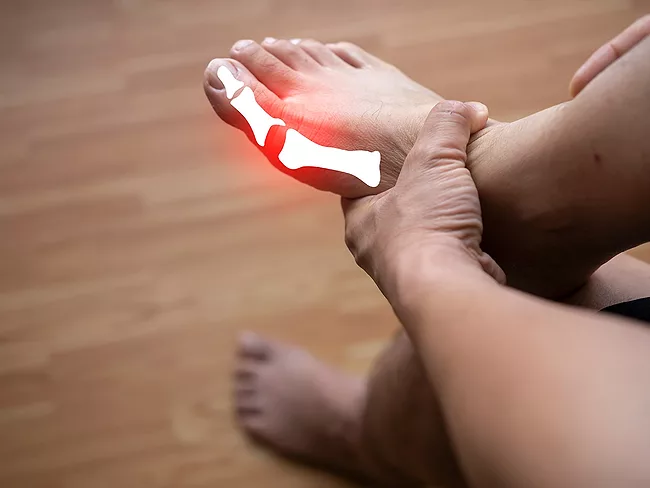
Researchers from Nanjing University and Peking University presented the discovery and preclinical characterization of novel NLRP3 inhibitors as potential therapeutic candidates for the treatment of gout.
Radiopharm Theranostics Ltd. has been granted Belberry Human Research Ethics Committee (HREC) approval in Australia to initiate a first-in-human phase I therapeutic study of 177Lu-labeled RAD-202 (177Lu-RAD-202) for the treatment of HER2-expressing solid tumors, including breast and gastric cancers.
Basilea Pharmaceutica Ltd. has been awarded an additional $7.3 million from CARB-X (Combating Antibiotic-Resistant Bacteria Biopharmaceutical Accelerator) to support the progression of the company’s novel antibiotic candidate, BAL-2420.
Beigene Co. Ltd. has presented data on a CDK4 selective inhibitor, BGB-43395, for the potential treatment of this cancer type and which would reduce the neutropenia associated with CDK6 inhibition.
Vanda Pharmaceuticals Inc.’s VGT-1849A, a selective antisense oligonucleotide (ASO)-based JAK2 inhibitor, has been awarded orphan drug designation by the FDA for the treatment of polycythemia vera.
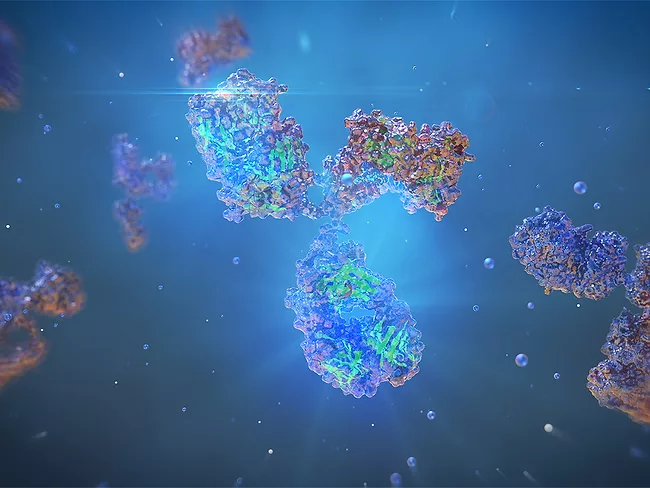
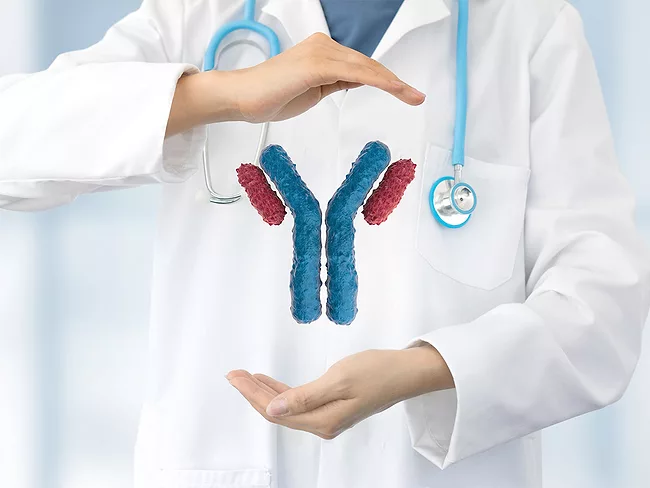
CSPC Pharmaceutical Group Ltd. has received clearance from China’s National Medical Products Administration (NMPA) to conduct clinical trials of antibody-drug conjugates (ADCs) SYS-6005 and SYS-6043.
In the 1970s, scientists from several countries proposed to reconstruct, one by one, all the neurons in the brain as they appear under an electron microscope. They started with a small worm. Caenorhabditis elegans has only 302 neurons. It took 16 years. How much time would be required to repeat this arduous task for the 100 billion neurons in the human brain?
Merck Sharp & Dohme LLC has divulged NLRP3 inflammasome inhibitors reported to be useful for the treatment of atherosclerosis, nonalcoholic or metabolic dysfunction-associated steatohepatitis (NASH/MASH), neuroinflammation, inflammatory skin, inflammatory joint and autoimmune disease, Alzheimer’s disease and Parkinson’s disease, among others.
 RSS
RSS