Neumora Therapeutics Inc. has patented NMDA receptor positive allosteric modulators reported to be useful for the treatment of autoimmune disease, infections, neurological and psychiatric disorders.
F. Hoffmann-La Roche Ltd. and Hoffmann-La Roche Inc. have identified new benzimidazoles acting as serine/threonine-protein kinase SIK inhibitors reported to be useful for the treatment of rheumatoid arthritis, metabolic dysfunction-associated steatohepatitis (MASH), giant cell arteritis, primary sclerosing cholangitis, inflammatory bowel disease, atherosclerosis, type 2 diabetes and glomerulonephritis, among others.
Apogee Pharmaceuticals Inc. has prepared fatty acid amide hydrolase (FAAH) inhibitors reported to be useful for the treatment of cancer, pain, inflammation, anxiety and mood disorders, cardiovascular disorders, autoimmune diseases and neurological disorders, among others.
The boronic acid transition state inhibitors S-02030 and MB-076 were strategically designed to be active against cephalosporinases and carbapenemases, especially KPC (Klebsiella pneumoniae carbapenemase).
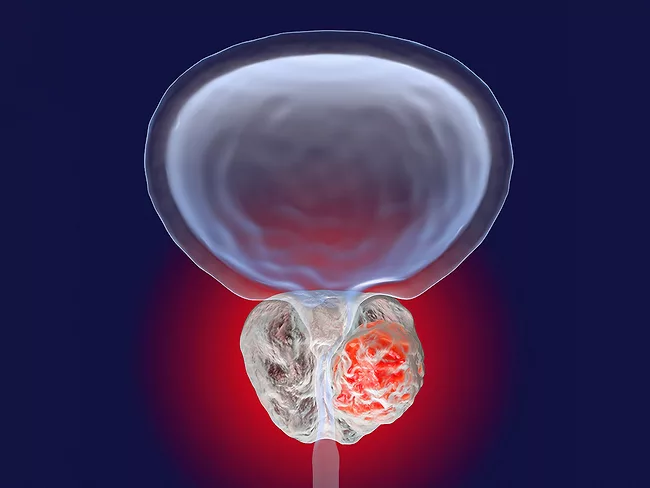
Prostate cancer is still one of the main causes of cancer death among men; while prostate-specific antigen (PSA) testing is done for screening, there are recommendations against its use due to its nonspecific and suboptimal results. There is thus an urgent need for new biomarkers that are more accurate in the detection of prostate cancer.
Mair Therapeutics BV has launched with pre-seed funding from Torrey Pines Investment and Oost NL and with a focus on developing treatments for neurodegenerative disorders, particularly Parkinson’s disease.
Previous research has shown that aberrant sphingolipid metabolism, which is evidenced by elevated levels of circulating ceramide, is associated with poor prognosis in patients with prostate cancer (PC). Work at the University of Adelaide has led to the establishment of a new syngeneic mouse model to study the role of sphingolipid metabolism in PC.
Akeso Inc. has received IND approval by China’s National Medical Products Administration (NMPA) for AK-139, an IL-4Rα/ST2 bispecific antibody under investigation for a number of indications, including respiratory and skin diseases.
Junevity Inc. has raised $10 million in seed funding to support its work creating silencing RNA (siRNA) therapeutics to address metabolic and age-related diseases, including type 2 diabetes, obesity and frailty. The seed funding will be used to enhance the company’s RESET platform and develop its first therapeutic candidates in these indications.

 RSS
RSS