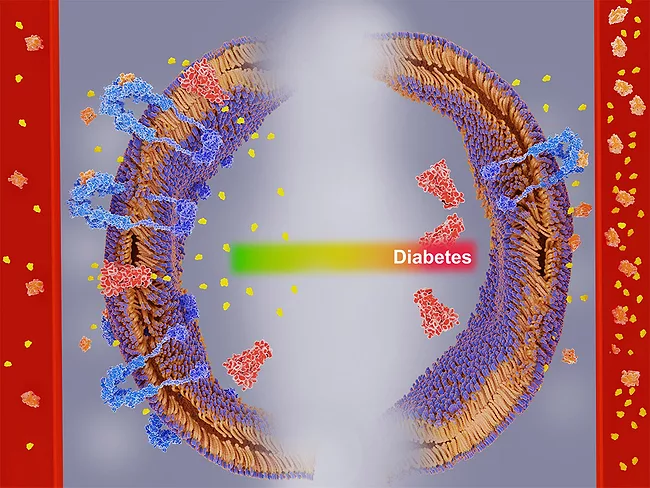
Adrenomedullin, a hormone first identified in an adrenal medullary tumor, disrupts the effect of insulin on the endothelium of blood vessels, leading to insulin resistance linked to obesity and type 2 diabetes. The clue to this discovery lies in a molecular pathway that could be blocked to restore insulin function.
An Inventisbio Co. Ltd. and Inventisbio LLC patent discloses new phosphatidylinositol 3-kinase α (PI3Kα) inhibitors reported to be useful for the treatment of cancer, PIK3CA-related overgrowth spectrum (PROS) and congenital lipomatous overgrowth, vascular malformations, epidermal naevi and skeletal abnormalities (CLOVES syndrome).
Asieris Pharmaceuticals Co. Ltd. has synthesized new protein arginine N-methyltransferase 5 (PRMT5) inhibitors described as potentially useful for the treatment of bladder cancer.
Tyk Medicines Inc. has patented new cyclin-dependent kinase 2 (CDK2) and/or cyclin-dependent kinase 4 (CDK4) inhibitors reported to be useful for the treatment of cancer, infections, metabolic diseases, cardiovascular, inflammatory and immunological disorders.
Several Gluetacs Therapeutics (Shanghai) Co. Ltd. patents describe molecular glue degraders reported to be useful for the treatment of cancer, anemia, liver failure, diabetes, infections, sarcoidosis, autoimmune diseases and cardiovascular disorders.
Previous research has shown that cell division cycle associated 4 (CDCA4) is overexpressed in multiple tumors and is involved in tumor progression. Researchers from Yangtze University and affiliated organizations investigated the role of CDCA4 in bladder cancer.
Microglia play a crucial role in neuroinflammation after ischemic brain injury. Previous data have shown that leukocyte immunoglobulin-like receptor B4 (LILRB4) was upregulated in mice after middle cerebral artery occlusion (MCAO), but the role it plays here is not well understood. The role LILRB4 plays in ischemic brain injury was thus investigated. LILRB4 expression was measured in mice at different time points after MCAO.
Leishmaniasis is a life-threatening parasitic infection and one of the most concerning neglected vector-borne tropical diseases worldwide. Current leishmaniasis chemotherapeuticals are poorly effective and cause significant adverse effects. Metal-containing drugs have been little explored as antibacterial and antiparasitic agents, although some have shown promise against Leishmania.
 RSS
RSS