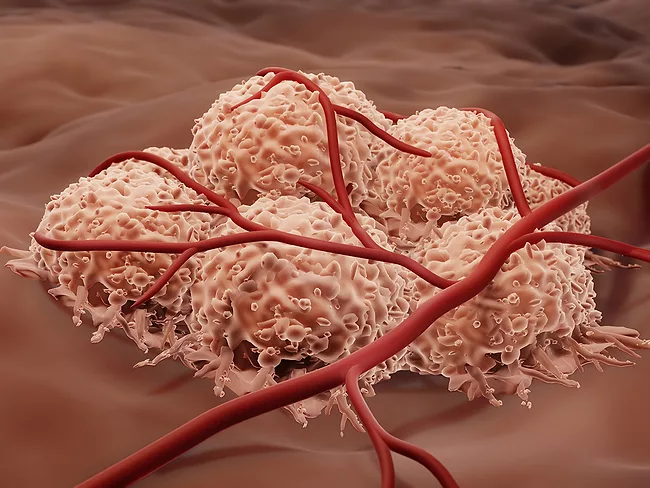
Researchers from Wuyi University presented the discovery and preclinical characterization of kinesin spindle protein (KSP) degraders developed using proteolysis-targeting chimera (PROTAC) technology.
Loss of dopaminergic neurons in the substantia nigra and accumulation of α-synuclein (α-Syn) aggregates are the major hallmarks of Parkinson’s disease (PD).
Lycia Therapeutics Inc. has reported progress in its immunology pipeline that comprises lysosomal targeting chimera (LYTAC)-based protein degradation therapies. The company is advancing its two lead programs toward the clinic: LCA-0061, a Catalytac degrader that catalytically degrades IgE, and LCA-0321, a Lytac degrader designed to specifically bind and rapidly deplete anti-thyroid-stimulating hormone receptor (TSHR) autoantibodies.
Xilio Therapeutics Inc. has announced three wholly owned preclinical programs for masked T-cell engagers targeting prostate-specific membrane antigen (PSMA), claudin 18.2 (CLDN18.2) and six-transmembrane epithelial antigen of prostate 1 (STEAP1).
The Gates Foundation, Novo Nordisk Foundation and Wellcome have announced the launch of the Gram-Negative Antibiotic Discovery Innovator (Gr-ADI), a $50 million investment that will focus on combatting antimicrobial resistance (AMR) caused by a specific range of bacteria that are among the leading contributors to AMR-associated deaths.
Within the immune system, interleukin-15 (IL-15) plays a relevant role by boosting the number of cytotoxic T cells and NK cells, the major drivers of anticancer immune response. Researchers from Sotio Biotech AS, MD Anderson and collaborators reported preclinical data on nanrilkefusp alfa (nanril; SOT-101), an IL-15 receptor βγ superagonist that stimulates both CD8+ T and NK cells in the tumor microenvironment.
Two simultaneous but independent studies published in Science identified, by introducing mutants into its genome, the essential and nonessential genes of Plasmodium knowlesi, one of the malaria parasites related to the dreaded Plasmodium vivax. Their results could help in the development and prioritization of antimalarial strategies.
TB Alliance has disclosed new ATP-dependent Clp protease ClpP1P2 complex (Mycobacterium tuberculosis) inhibitors reported to be useful for the treatment of tuberculosis.
Genescience Pharmaceuticals Co. Ltd. has prepared and tested new fibroblast growth factor receptor 2 (FGFR2) and/or FGFR3 inhibitors reported to be useful for the treatment of cancer, osteochondrodysplasia and achondroplasia.
Bristol Myers Squibb Co. has patented new protein-arginine deiminase type-4 (PADI4; PAD4) inhibitors reported to be useful for the treatment of rheumatoid arthritis, among others.
 RSS
RSS