Voyager Therapeutics Inc. has announced its decision to assess alternate payloads related to its gene therapy program for superoxide dismutase 1 (SOD1) amyotrophic lateral sclerosis (ALS). Emerging preclinical data indicate the siRNA payload component of VY-9323 does not meet its standards due to what appears to be an off-target effect resulting in a narrowed therapeutic window.
Bind Research has launched as a not-for-profit focused research organization (FRO) with the aim of transforming disordered proteins into viable drug targets. The organization has secured financing from the U.K. Government’s Research Venture Catalyst program, with matched support from industry, philanthropic and charitable donors.
A recent study published in the Journal of Clinical Investigation by researchers at Johns Hopkins University School of Medicine and collaborators identified HMGA1 as a key epigenetic regulator that enhances Wnt signaling in colon cancer.
Secondary lymphedema occurs when, after surgery or radiotherapy, the lymphatic system cannot drain interstitial fluid effectively, leading to inflammation and fluid accumulation in the limbs. Previous research has shown that insulin-like growth factor 1 (IGF-1) contributes to the promotion of lymphatic remodeling through IGF-1 receptor (IGF-1R) signaling.
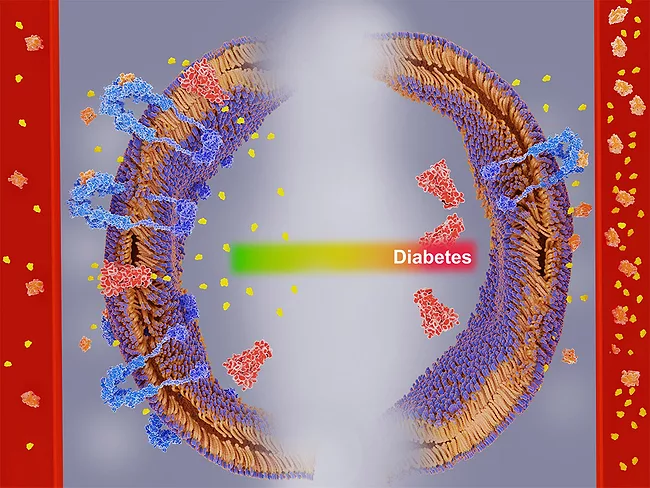
Adrenomedullin, a hormone first identified in an adrenal medullary tumor, disrupts the effect of insulin on the endothelium of blood vessels, leading to insulin resistance linked to obesity and type 2 diabetes. The clue to this discovery lies in a molecular pathway that could be blocked to restore insulin function.
An Inventisbio Co. Ltd. and Inventisbio LLC patent discloses new phosphatidylinositol 3-kinase α (PI3Kα) inhibitors reported to be useful for the treatment of cancer, PIK3CA-related overgrowth spectrum (PROS) and congenital lipomatous overgrowth, vascular malformations, epidermal naevi and skeletal abnormalities (CLOVES syndrome).
Asieris Pharmaceuticals Co. Ltd. has synthesized new protein arginine N-methyltransferase 5 (PRMT5) inhibitors described as potentially useful for the treatment of bladder cancer.
Tyk Medicines Inc. has patented new cyclin-dependent kinase 2 (CDK2) and/or cyclin-dependent kinase 4 (CDK4) inhibitors reported to be useful for the treatment of cancer, infections, metabolic diseases, cardiovascular, inflammatory and immunological disorders.

 RSS
RSS