Based on positive phase IIb data from 2020 for avasopasem manganese (GC-4419) in treating severe oral mucositis (SOM) in patients with locally advanced head and neck cancer, Galera Therapeutics Inc. had been confident about phase III data for the selective small-molecule dismutase. However, the phase III Roman trial failed to hit its primary endpoint of reduction in the incidence of SOM. Mel Sorensen, Galera’s CEO, expressed his surprise at the results and said the company is evaluating the next steps for the program.
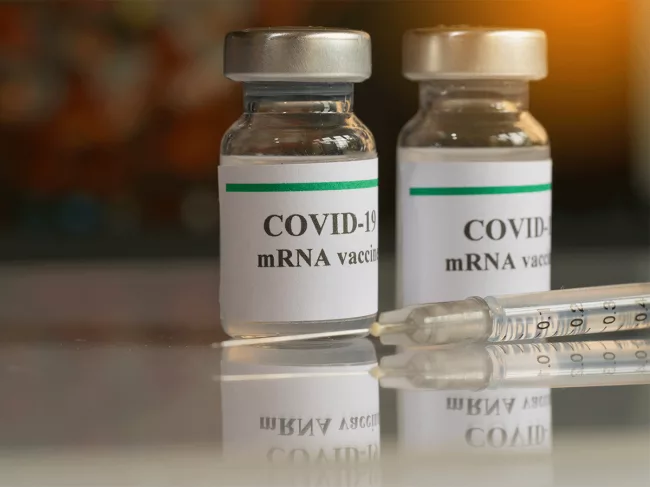
Baidu Inc.’s preclinical studies showed the mRNA vaccine sequences for COVID-19 designed using its Lineardesign algorithm outperformed the benchmark sequences designed by traditional algorithms in terms of stability, protein expression and immunogenicity. The firm teamed up with Stemirna Therapeutics Co. Ltd., which specializes in the R&D of mRNA vaccines and drugs, to test seven mRNA COVID-19 vaccine sequences designed using Lineardesign.
Top-line results of a phase III trial testing sulbactam-durlobactam, a combination beta-lactam antibiotic and beta-lactamase inhibitor, in patients with carbapenem-resistant Acinetobacter baumannii infections, found the novel combo to be statistically noninferior to colistin in 28-day all-cause mortality, the study's primary endpoint.
Phase II results from Atea Pharmaceuticals Inc. with AT-527 in COVID-19 treatment had pundits scrambling to stack the odds of success for the direct-acting oral antiviral against those of Merck & Co. Inc.’s molnupiravir, though cross-trial comparisons are beset by the usual hurdles, with two especially dramatic ones.
Thanks to positive phase III data from Phathom Pharmaceuticals Inc.’s Phalcon-EE study of patients with erosive esophagitis, the company is prepping to file an NDA with the FDA for its lead compound, vonoprazan.
Biogen Inc.’s phase III trial of tofersen in a form amyotrophic lateral sclerosis (ALS) has missed its main goal, but the company said it is still talking with regulators after seeing positive trends in the data.
LONDON – Valneva SA’s COVID-19 vaccine, VLA-2001, prompted a stronger immune response with fewer side effects than Astrazeneca plc’s product, according to headline data from the phase III trial. Shares in Valneva (NASDAQ:VALN) shot up by nearly 40% to close Oct. 18 at $39.21 when the data were announced, partly repairing the damage on Sept. 13 when the U.K. government cancelled a $1.65 billion contract with the French vaccines specialist for 100 million doses.
Clinical updates, including trial initiations, enrollment status and data readouts and publications: Akeso, Astrazeneca, Eli Lilly, Medigen, Merck, Protalix, RDIF, TG.
In trials name-checking some of the world’s highest peaks, longest rivers and most famous seas, Astrazeneca plc has long sought the best use of its CTLA4 inhibitor tremelimumab. Now, after a disappointing cruise along the first-line bladder cancer trial Danube and travails in non-small-cell lung cancer with the trials Mystic, Neptune and Arctic, a trek to the endpoint of its phase III trial Himalaya has yielded top-line success. A single, high priming dose of tremelimumab added to the company's immune checkpoint inhibitor, Imfinzi (durvalumab), led to a statistically significant overall survival (OS) benefit vs. Nexavar (sorafenib, Bayer AG and Amgen Inc.) in the first-line treatment for patients with unresectable hepatocellular carcinoma.
 RSS
RSS