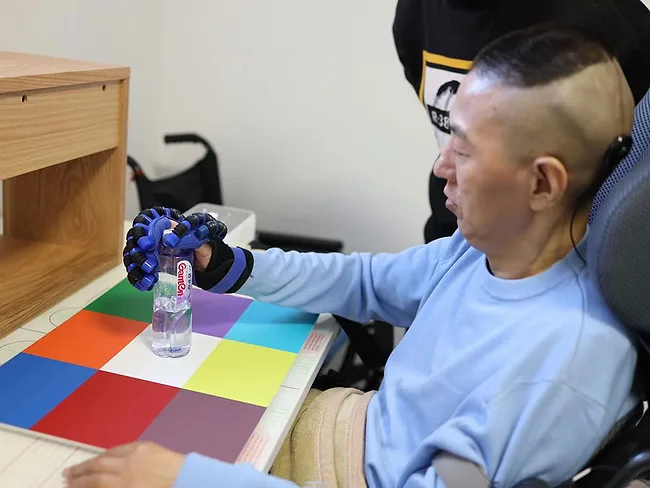
Decades of research are helping unravel the “black box” of the brain. The second article in BioWorld’s series on the Brain-Computer Interface (BCI) field looks at how simultaneous breakthroughs in AI technology are pushing the BCI field from a theoretical concept to a potential real-world, clinical option for individuals, particularly in China where the National Medical Products Administration greenlighted the world’s first invasive BCI system – Neuracle Medical Technology Co. Ltd.’s Neural Electronic Opportunity – for clinical use in March 2026.
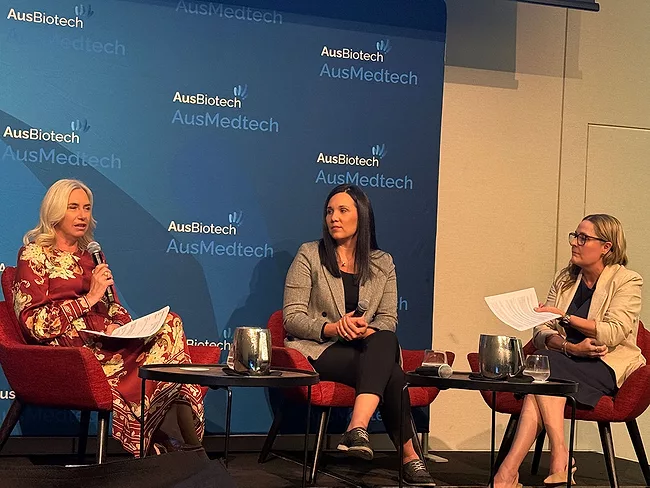
Artificial intelligence, remote monitoring and need-based innovation are beginning to reshape Australia’s medtech sector’s devices, as well as the way health care itself is delivered, according to speakers at the 2026 Ausmedtech conference in Perth May 19-20.
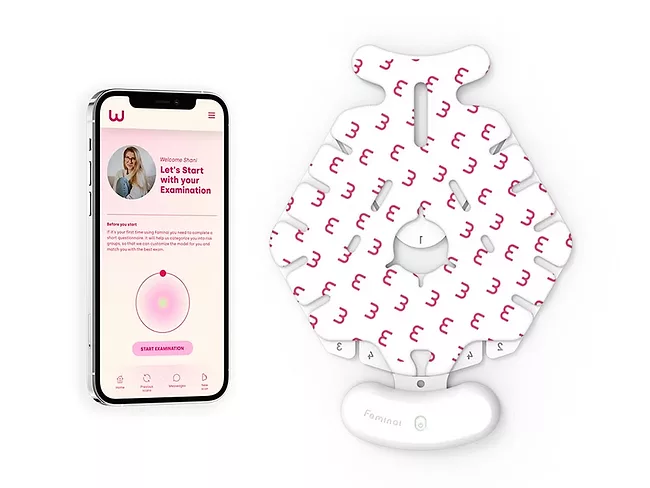
The convergence of robotics, sensors and AI is reshaping how medical devices interact with patients, clinicians and healthcare systems. Across the field, from oncology to cardiology and women’s health, companies are integrating software, connectivity, data analytics and biological information into their products. And although traditional devices, such as screws for orthopedics or valves for cardiology, remain essential, the shift underway is leading to much more personalized medicine, which is more effective and safer, Eran Lerer, managing partner, at Shoni Health Ventures, told BioWorld.
Of all the issues that could be on the table at the talks between U.S. President Donald Trump and China President Xi Jinping, the life sciences sector is the “sweet spot” for collaboration between the two countries in a way that would benefit the world, Sen. Thom Tillis, R-N.C., said in a Brookings Institution webinar in advance of the two-day summit that starts May 14.
Med-tech financing activity in the first four months of 2026 reached $10.05 billion, similar to 2025’s $10.31 billion and 2022’s $10.62 billion. While below the peak years of 2019-2021, when financings were above $15 billion in the time period, total value is still above the levels seen in 2023-2024. April saw $1.51 billion raised, compared to $2.44 billion in March, $4.55 billion in February and $1.52 billion in January.
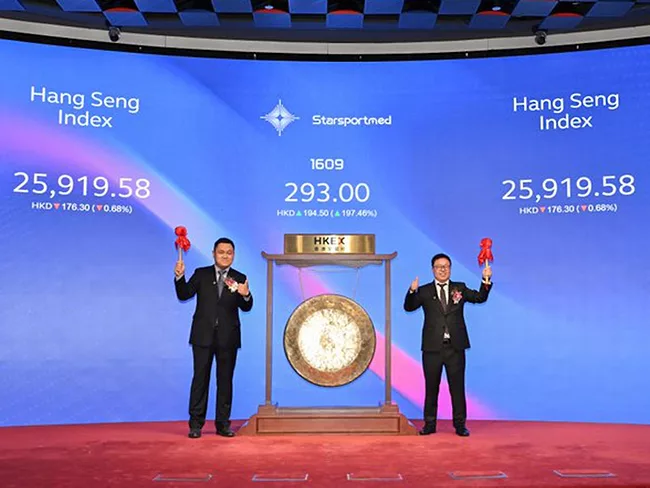
Star Sports Medicine Co. Ltd. debuted on the Hong Kong Stock Exchange with an HK$829.55 million (US$105.86 million) IPO May 5, with shares closing about 118% higher on the first day.
It’s a sure bet when the U.S. Trade Representative releases its annual Special 301 Report that Chile, China, India, Indonesia, Russia and Venezuela will be on the Priority Watch List. The 2026 report was no exception.
Sonire Therapeutics Inc. initiated a U.S.-based Sunrise II study of Suizenji, its novel ultrasound-guided high-intensity focused ultrasound (HIFU) system designed to ablate pancreatic tumors, after closing an $18 million series A financing round April 15.
Sun Pharmaceuticals Industries Ltd. will pay $11.75 billion cash to acquire Organon & Co. The transaction is expected to close in early 2027. The addition of Organon’s women’s health products, legacy drug brands and biosimilars are expected to boost Mumbai, India-based Sun’s global reach. The all-cash buy is also expected to relieve Jersey City, N.J.-based Organon of an $8.6 billion debt pile, accumulated after its debt-laden 2021 spinout from Merck & Co. Inc.
Ribo Life Science Co. Ltd.’s HK$1.8 billion (US$230 million) raise on Jan. 9 was the sole Chinese biotech IPO on the Hong Kong Stock Exchange in the first quarter (Q1) of 2026, despite a growing backlog of more than 70 filings from China life science firms in 2025. Among med-tech companies, Hangzhou Diagens Biotechnology Co. Ltd. debuted with a $101 million Hong Kong IPO March 30, 2026.
 RSS
RSS