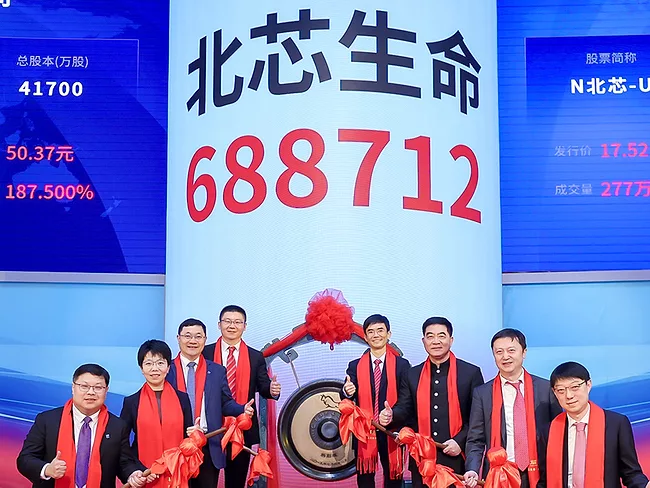
Insight Lifetech Co. Ltd. listed on the Shanghai Stock Exchange’s STAR market via an unprofitable biotech track reinstated last year, with the Feb. 5 IPO raising ¥998.64 million (US$143.93 million).
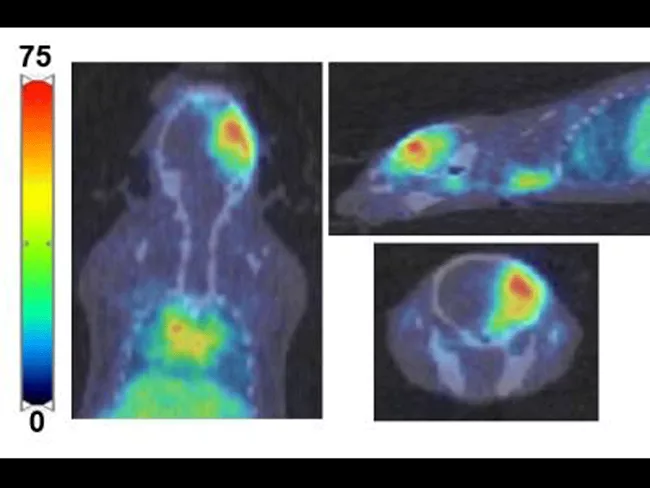
Radiopharm Theranostics Ltd.’s radiotracer RAD-101 met the primary endpoint in 92% of patients in the phase IIb imaging trial in brain metastases, according to interim results. To date, 11 of the 12 patients treated with RAD-101 (F18-Pivalate) achieved concordance with MRI (the primary endpoint) as assessed by PET imaging of brain metastases. The results showed significant and selective tumor uptake, and images confirm metabolic activity in brain metastases compared to equivocal MRI findings.
Seventy-three pharmaceutical, biotechnology and medical device companies from mainland China filed for IPOs in Hong Kong this year, a review by BioWorld found. In the second half of 2025, 43 new securities reports were filed on the Hong Kong Stock Exchange, increasing from the 30 applications in the first half.
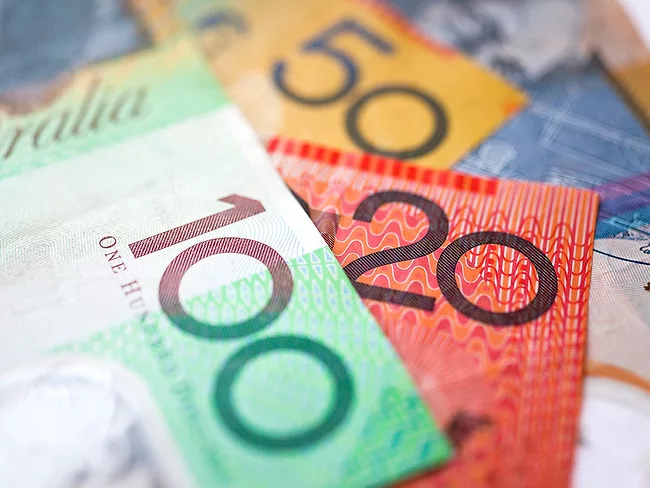
Radiopharm Theranostics Ltd. completed a AU$35 million (US$22.77 million) placement to advance six of its radiopharmaceutical candidates for both diagnostic and therapeutic uses. The funds raised will go toward clinical trials, drug manufacturing and working capital to extend Radiopharm’s funding runway into 2027.
Full-Life Technologies Ltd. announced Sept. 29 the completion of a $77 million financing, comprising $50 million in series C equity and $27 million in debt financing, which will be used to advance a portfolio of radiopharmaceuticals and radionuclide-drug conjugates worldwide.
Rakuten Medical Inc. is advancing a pipeline of solid tumor therapeutics built on its Alluminox platform worldwide, having gained conditional early approval of ASP-1929, an Alluminox-derived photoimmunotherapy, in Japan in 2020.
The unsettling impact that the Trump administration’s health care and tariff initiatives are having on M&A activity and financing is highlighted in a new survey of CEOs and investors, who say uncertainty related to the U.S. policy environment is the top challenge they face when it comes to executing deals.
While U.S. President Donald Trump’s country-by-country reciprocal and newly negotiated tariffs go into effect today, a separate, global biopharma sector tariff of, possibly, 200% continues to loom over the sector. For many stakeholders, a biopharma sector tariff of even 25%, as first proposed by Trump, would be a disaster in the making, especially when combined with the pressures of Medicare price negotiations and the president’s escalation of most-favored-nation pricing.
Radiopharma Clarity Pharmaceuticals Ltd. raised AU$203 million (US$132.22 million) in an institutional placement on Australia’s Securities Exchange to advance its late-stage pipeline of copper-based radiopharmaceuticals.
The switch will be flicked today to make the world’s largest dementia-related proteomics dataset freely available to researchers, at the same time as members of the consortium which compiled it publish the proteomics signatures of major neurodegenerative diseases that they uncovered in a first trawl of the data.
 RSS
RSS