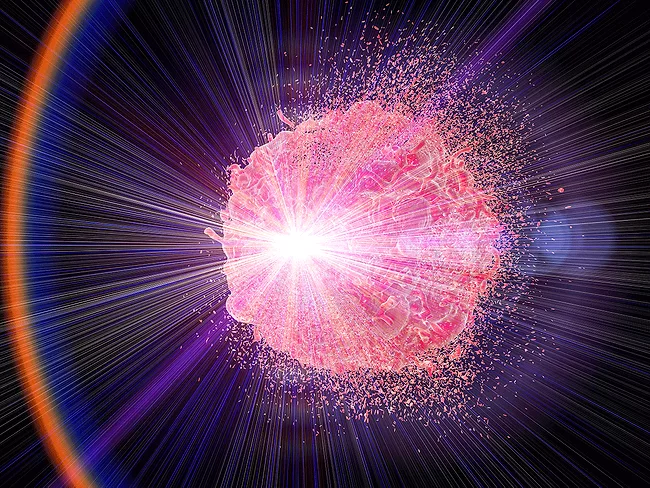
Aussie radiopharma company Advancell Co. Ltd. closed an oversubscribed $112 million series C round that will accelerate clinical development of its pipeline of radionuclide therapies and allow it to expand its manufacturing capacity.
Vaxxas Pty. Ltd. and the Coalition for Epidemic Preparedness Innovations are progressing heat-stable, dried-formulation mRNA vaccines using Vaxxas’ needle-free high-density microarray patch.
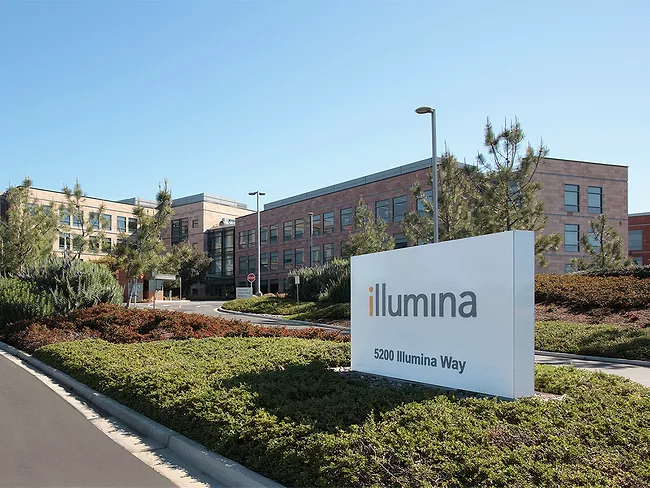
The Chinese government blacklisted several American companies, including gene sequencing-focused biotechnology firm Illumina Inc. and fashion brand PVH Corp., citing threats to China’s “national sovereignty, security and development interests.”
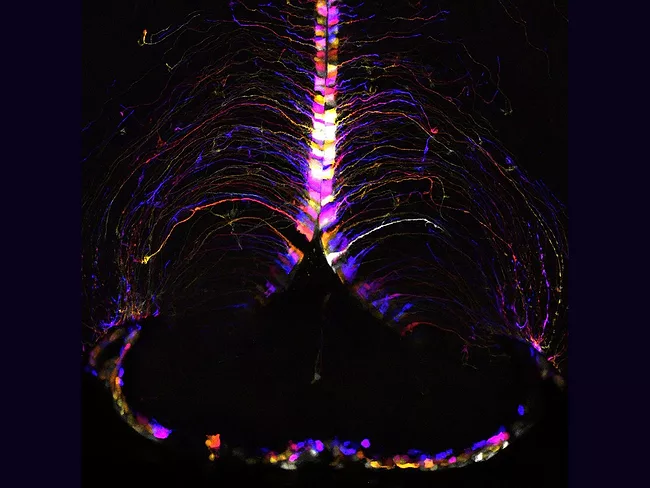
2024 saw the completion of several cellular-resolution brain maps, including the entire fly brain and a comprehensive connections map of a cubic centimeter of human brain. 2025 began with the addition of another important map. In the Jan. 1, 2025, issue of Nature, researchers from the Allen Institute presented a map of areas and cell types where aging most affected the mouse brain.
SK Biopharmaceuticals Co. Ltd. and Proen Therapeutics Co. Ltd. joined hands in a research collaboration to advance up to two preclinical small protein-based radiopharmaceuticals by 2027 – the year SK Biopharmaceuticals aims to “become a leading radiopharma player” worldwide.
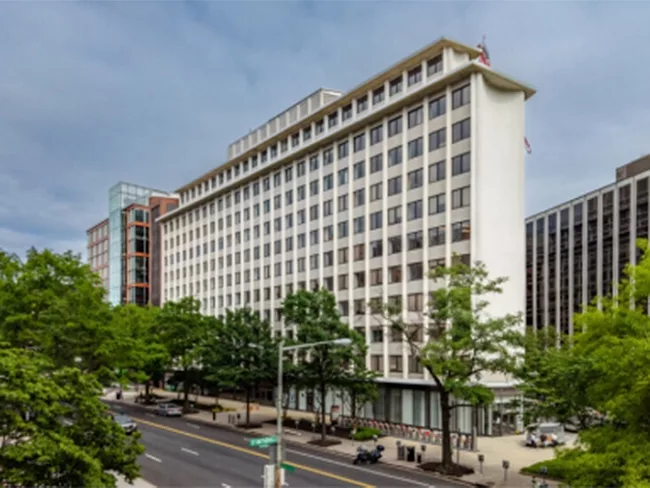
Japan’s Pharmaceuticals and Medical Devices Agency (PMDA) set up its second overseas regulatory office in Washington, four months after the drug and med-tech regulator opened its first Asia base in Bangkok, Thailand, in July 2024.
With confidence dropping in doing business with China-affiliated life sciences companies due to the Biosecure Act, one of the companies explicitly named in the U.S. legislation is fighting back. Raising the possibility of a constitutional challenge to the bill, Rade Drmanac, co-founder and chief scientific officer of Complete Genomics Inc., wrote to congressional leaders to urge them to remove the California-based subsidiary of MGI from the bill.
David Baker, Demis Hassabis and John Jumper share the 2024 Nobel Prize in Chemistry for their contributions to the science of protein structure. David Baker was awarded half the prize “for computational protein design,” according to the Royal Swedish Academy of Sciences. Hassabis and Jumper shared the other half “for protein structure prediction.”
David Baker, Demis Hassabis and John Jumper share the 2024 Nobel Prize in Chemistry for their contributions to the science of protein structure. David Baker was awarded half the prize “for computational protein design,” according to the Royal Swedish Academy of Sciences. Hassabis and Jumper shared the other half “for protein structure prediction.”
Research into the regulation of gene expression experienced a significant breakthrough with the discovery of microRNA, small RNA molecules that do not code for proteins but control their translation. This finding has earned its authors Victor Ambros and Gary Ruvkun the 2024 Nobel Prize in Physiology or Medicine.
 RSS
RSS