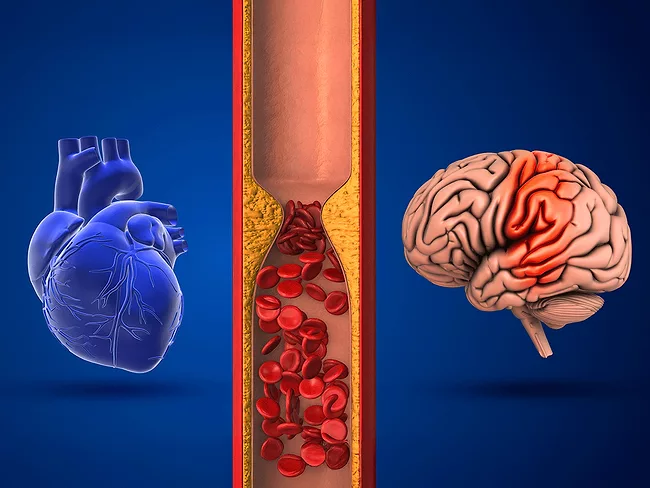
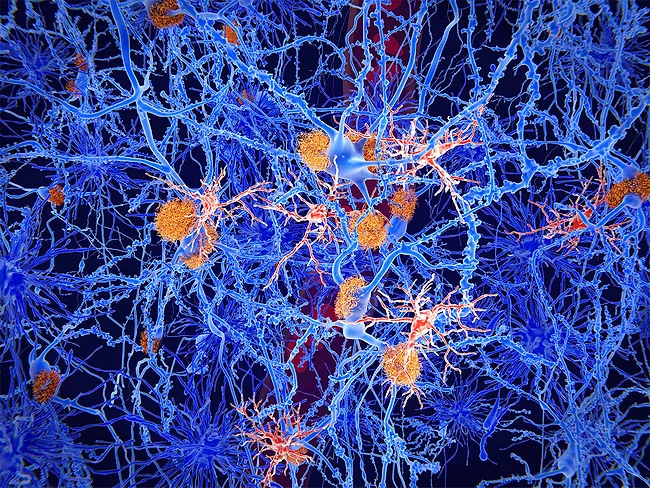
At the 2025 Alzheimer’s Association International Conference (AAIC), one of the bigger splashes was made by a cardiovascular drug. In a presentation on July 30, Newamsterdam Pharma Co. NV presented data showing that its cholesterol drug obicetrapib lowered levels of the Alzheimer’s Disease biomarker p-tau217.
Researchers from Insmed Inc. presented findings on INM-901, a novel synthetic cannabinoid analogue, demonstrating its effects in the 5xFAD mouse model of Alzheimer’s disease. Alzheimer’s disease is a progressive neurodegenerative disorder characterized by cognitive decline and sensorimotor impairments, with no available treatments that effectively halt disease progression.
Chitinase-3-like protein 1 (CHI3L1) is a secretory glycoprotein from the glycoside involved in the regulation of immune and inflammatory responses. In the brain, CHI3L1 is primarily produced by activated astrocytes, where it is involved in inflammatory neurotoxicity, emerging as a potential biomarker of neuroinflammatory disorders, such as Alzheimer’s disease.
The first filing in the name of Grand Rapids, Mich.-headquartered Corium Innovations Inc. confirms the company formerly known as Corium Pharma Solutions Inc. is developing treatments for multiple sclerosis and ulcerative colitis that employ its proprietary Corplex transdermal patch technology.
After a tough few weeks for Sarepta Therapeutics Inc., the EMA dealt another blow on July 25, announcing it will not be approving the Duchenne muscular dystrophy gene therapy Elevidys (delandistrogene moxeparvovec). Re-examination of the file led to a happier outcome for another drug that has attracted considerable controversy, Eli Lilly and Co. Inc.’s Kisunla (donanemab) for treating the early stages of Alzheimer’s disease.
Current treatments for Alzheimer’s disease have limited effects. While they can slow cognitive decline or alleviate symptoms, they do not reverse this complex neurodegenerative condition caused by multiple factors. Researchers from the Gladstone Institutes and the University of California, San Francisco (UCSF) have screened FDA-approved drugs in search of agents that could potentially modify the disease.
Voyager Therapeutics Inc. has expanded its Alzheimer’s disease (AD) pipeline with the addition of a wholly owned program that modulates the expression of apolipoprotein E (APOE). Using a proprietary intravenous-delivered, blood-brain barrier (BBB)-penetrant Tracer capsid, the product delivers a bifunctional payload.
Illimis Therapeutics Inc. raised ₩58 billion (US$42 million) in a series B financing round. The funds will support development of ILM-01, its lead bispecific fusion protein candidate, into preclinical development for Alzheimer’s disease by the second half of 2025, along with the company’s neuroimmunology portfolio.
Biosplice Therapeutics Inc. has prepared and tested 4-alkoxypyrrolo[2,1-F][1,2,4]triazines acting as dual specificity tyrosine-phosphorylation-regulated kinase 1A (DYRK1A) inhibitors potentially useful for the treatment of Alzheimer’s disease.
Acumen Pharmaceuticals Inc. and JCR Pharmaceuticals Co. Ltd. have entered a collaboration, option and license agreement to develop a novel therapeutic candidate for the treatment of Alzheimer’s disease (AD).