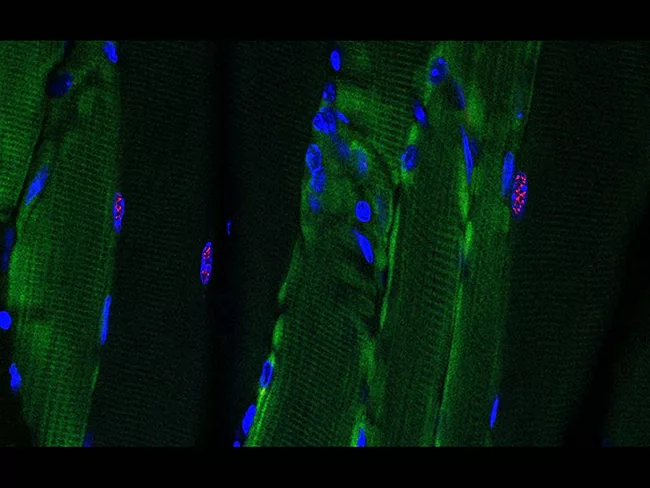
Researchers at the University of California at San Diego have used RNA-targeted CRISPR to reverse symptoms in an animal model of myotonic dystrophy type 1 (DM1). They reported their findings in the Sept. 14, 2020, issue of Nature Biomedical Engineering.
Keeping you up to date on recent developments in diagnostics, including: Intensive care scoring systems outperform miRNA in sepsis diagnosis; Report: AI falls short of potential in health care; Angiopoietin trouble can lead to lymphedema.
Keeping you up to date on recent developments in orthopedics, including: Restless nature of human spinal cord revealed by noninvasive functional imaging; Stronger bones thanks to heat and microbiota; Researchers use soy to improve bone cancer treatment.
Keeping you up to date on recent developments in oncology, including: New algorithm prioritizes breast cancer patients for surgery, chemotherapy; Oxygen grows tumors but shrinks metastasis chances; ‘Fight or flight’ nervous system helps fight tumors, too; Proton beam therapy available in South Florida.
Keeping you up to date on recent developments in cardiology, including: SCAD vs. plaques in heart attacks; Gut microbiome data may be helpful in routine screening of cardiovascular disease; Some health care professionals use outdated guidelines to screen and diagnose hypertension.
Keeping you up to date on recent developments in neurology, including: New molecule restores lost connections in the spinal cord, brain of mice; Brain stimulation reduces dyslexia deficits; Nerivio wearable piloted for relief in patients with chronic migraine.
Keeping you up to date on recent developments in diagnostics, including: Deep learning aid for diagnosing TB in HIV patients; Self-collected swabs vs. health care worker collected for COVID-19 testing; SCAD vs. plaques in heart attacks; Diagnosing neuroblastoma in children.
A new type of SARS-CoV-2 antigen test that relies on single molecule array technology may be able to help clinicians identify which patients are most likely to experience severe disease.
Keeping you up to date on recent developments in orthopedics, including: New drug shown to improve bone growth in children with achondroplasia; Failure to calibrate for ethnicity in fracture epidemiology would do more harm than good; Muscle aging: Stronger for longer; After Medicaid expansion, 'unmet need' for joint replacement surgery.
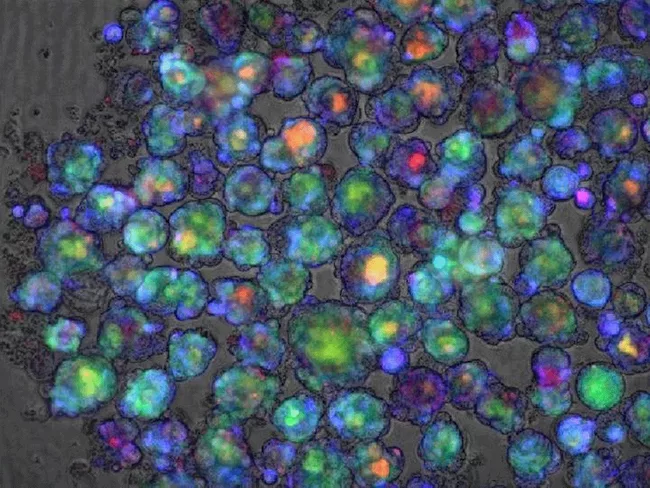
According to the National Institute of Diabetes and Digestive and Kidney Diseases (NIDDK), drug-induced liver injury (DILI) is the leading cause of acute liver failure in the U.S. It is also a leading cause of drug failure in clinical trials. Now, researchers have used liver organoids to develop a polygenic risk score that could predict the risk of liver toxicity for multiple different drugs, regardless of the underlying mechanism.
 RSS
RSS