Keeping you up to date on recent developments in cardiology, including: Complications in pregnancy tied to increased risk of heart disease, stroke later on; Creating an artificial vessel; Hearts in space!
Keeping you up to date on recent developments in neurology, including: Hydrogel developed to help repair damaged nerves; Evidence of Alzheimer’s, Parkinson’s & MND in brains of young people exposed to dirty air; Study identifies brain cells most affected by epilepsy and new targets for their treatment.
Investigators at the University of Heidelberg have identified a previously unknown mechanism for excitotoxicity and used their insight to identify “unconventional neuroprotectant” compounds that could prevent cell death and reduce brain damage in a mouse model of stroke.
Keeping you up to date on recent developments in diagnostics, including: Improving sensitivity of COVID-19 tests; Deep learning algorithm helps triage suspected COVID-19 cases; Cancer image analysis tool incorporates HER2 biomarker assay.
Keeping you up to date on recent developments in orthopedics, including: LED-based UV irradiation safely prevents the loss of bone and muscle mass in mice; Coupling antibiotics with stem cells to fight off bone infections; Study: Unnecessary stress testing performed prior to knee and hip replacement surgeries.
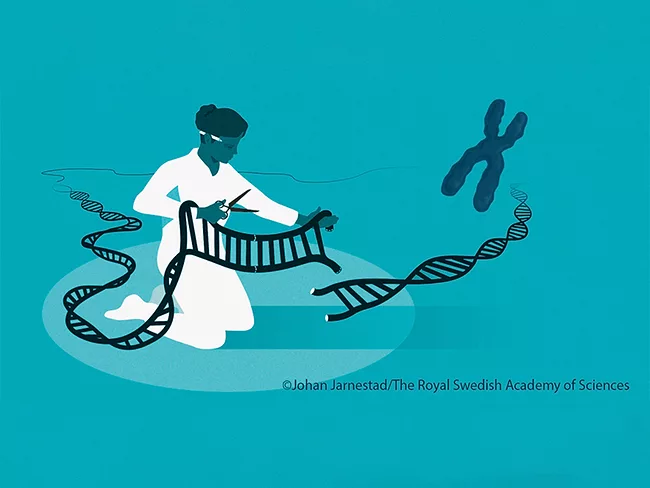
Surprising no one, Jennifer Doudna and Emmanuelle Charpentier won the 2020 Nobel Prize in Chemistry “for the development of a method for genome editing,” that is, the CRISPR/Cas9 system.
Keeping you up to date on recent developments in oncology, including: New data cast doubt on post-resection radiotherapy for NSCLC; Carcinogens need not be mutagens; Myelin regulatory factor assists pancreatic cancer cells; Deepmedic provides glioblastoma segmentation with sparsified data.
Keeping you up to date on recent developments in cardiology, including: Sleep apnea treatment reduces heart problems in prediabetic patients; Rats help in assessment of baroreflex; In utero 4D imaging of baby hearts could help diagnose congenital heart disease.
Researchers at the Feinstein Institutes for Medical Research, the research arm of New York-based Northwell Health, have developed a noninvasive method for targeting stimulation of the vagus nerve. Vagus nerve stimulation (VNS) offers promise for treatment of a wide range of conditions, given the nerve's extensive involvement in regulating many organs, but has been constrained by adverse effects caused by off-target activation of fibers.

 RSS
RSS