The overwhelming focus of research into the cellular immune response to SARS-CoV-2 has been investigating the reaction of vaccinated people, in an effort to establish correlates of protection required to fight off infection. But with a majority in many African and Asian countries still unvaccinated, it also is important to understand the natural cellular immune response, and to track the emergence of SARS-CoV-2 variants with the potential to escape immunity in these populations.
Using a mix of clinical and animal studies, researchers at Yale University have identified an enzyme whose decreased activity appears to be behind some of the beneficial effects of caloric restriction. They published their work in the February 11, 2022, issue of Science.
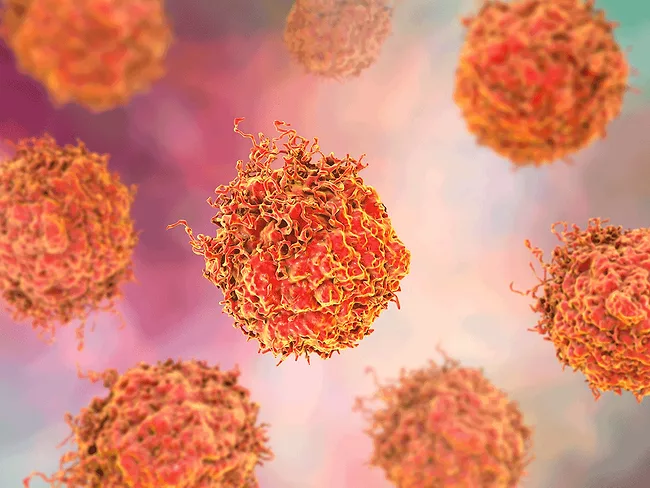
A Japanese study has shown that targeting the chemokine receptor CCR4 using treatment with the monoclonal antibody mogamulizumab (Poteligeo, Kyowa, Amgen) depleted immune regulatory T cells and significantly improved survival in a canine model of advanced prostate cancer.
Studies published this week have introduced a consensus-based definition of long COVID-19 in children and young persons, narrowing its prevalence estimates, which have been wildly divergent. Long COVID rates for adults are still unclear, but a recent meta-analysis estimated that between one third and two thirds of adult COVID-19 patients who had severe acute disease develop symptoms of long COVID.
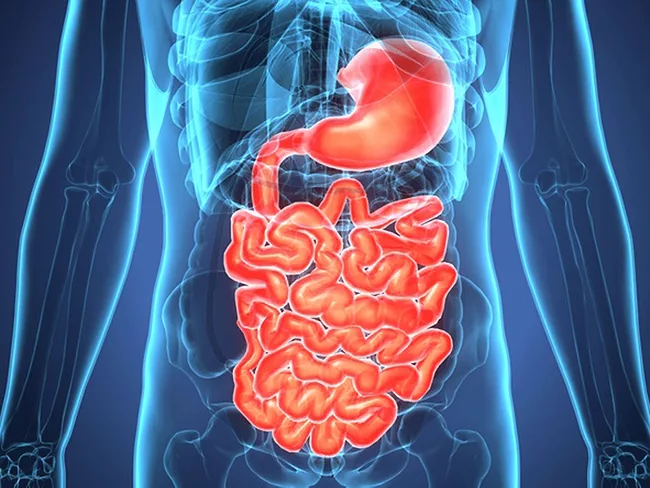
Researchers at New York University have demonstrated that protease-activated receptor 2 (PAR2) on epithelial cells of the colon continued after they were trafficked from the cell membrane.
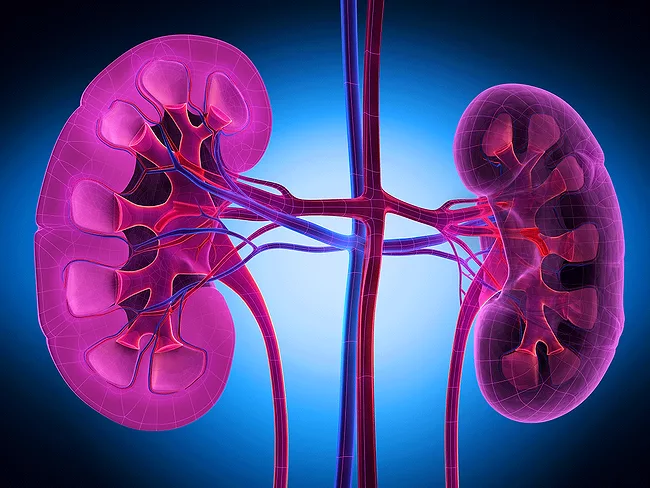
Japanese researchers have created complex 3D kidney organoids that could lead the way to better kidney research and even artificial kidneys for human transplant.
An international collaborative study led by Australian scientists at the University of Queensland in Brisbane has demonstrated that dietary selenium supplementation mediates exercise-induced adult neurogenesis and reverses learning deficits induced by hippocampal injury and aging in mice.
Combining Sarepta Therapeutics Inc.’s gene editing technology and Genedit Inc.’s Nanogalaxy platform to treat neuromuscular disorders shows promising potential, the companies reported. A year into the research collaboration, Genedit’s polymer nanoparticles have demonstrated the ability to deliver therapeutic cargo to specific muscle tissue following system administration of targeted genetic medicines.
PARIS – An interdisciplinary academic research consortium in Italy has devised and tested nanowires that restore physiological cell-to-cell conductance. This research team, led by the Experimental and Applied Medical Technology Lab (Tecmed Lab) at the Department of Medicine and Surgery at the University of Parma, Italy, has just published the results of multiple local in situ injections of nanowires into left ventricular infarct regions in Nature Communications.
The growth of some pancreatic cancers is fueled by fungus-induced production of the cytokine IL-33, and the progression of such tumors could be slowed down by treatment with antifungals or genetic deletion of IL-33, researchers reported in the February 3, 2022, online issue of CancerCell.
 RSS
RSS