Two teams of researchers have developed miniature models of the human heart that beat and function like the full-size organ. The team from Michigan State University (MSU) and Washington University in St. Louis developed a human heart organoid (hHO) that recapitulates embryonic heart development, providing an unmatched view into congenital heart defects. The organoid created by the researchers at the Medical University of South Carolina (MUSC) and Clemson University mimics the tissue dysfunction that occurs following a heart attack.
Keeping you up to date on recent developments in cardiology, including: Complications in pregnancy tied to increased risk of heart disease, stroke later on; Creating an artificial vessel; Hearts in space!
Keeping you up to date on recent developments in neurology, including: Hydrogel developed to help repair damaged nerves; Evidence of Alzheimer’s, Parkinson’s & MND in brains of young people exposed to dirty air; Study identifies brain cells most affected by epilepsy and new targets for their treatment.
Investigators at the University of Heidelberg have identified a previously unknown mechanism for excitotoxicity and used their insight to identify “unconventional neuroprotectant” compounds that could prevent cell death and reduce brain damage in a mouse model of stroke.
A multi-institutional team of researchers has discovered that acute lymphoblastic leukemia cells metabolically adapt to the cerebrospinal fluid-filled CNS microenvironment upon migration from the bone marrow with alterations in fatty acid synthetic pathways.
Keeping you up to date on recent developments in diagnostics, including: Improving sensitivity of COVID-19 tests; Deep learning algorithm helps triage suspected COVID-19 cases; Cancer image analysis tool incorporates HER2 biomarker assay.
Keeping you up to date on recent developments in orthopedics, including: LED-based UV irradiation safely prevents the loss of bone and muscle mass in mice; Coupling antibiotics with stem cells to fight off bone infections; Study: Unnecessary stress testing performed prior to knee and hip replacement surgeries.
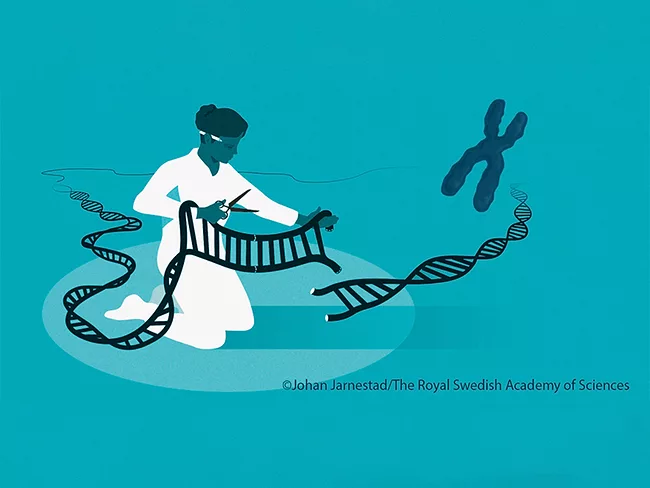
Surprising no one, Jennifer Doudna and Emmanuelle Charpentier won the 2020 Nobel Prize in Chemistry “for the development of a method for genome editing,” that is, the CRISPR/Cas9 system.
 RSS
RSS