Top-line results from Biohaven Pharmaceutical Holding Co.’s phase III trial of troriluzole against placebo in treating generalized anxiety disorder (GAD) failed to hit its primary endpoint, prompting the company CEO to say the poor results support halting development plans for the glutamate modulator as a monotherapy in GAD.
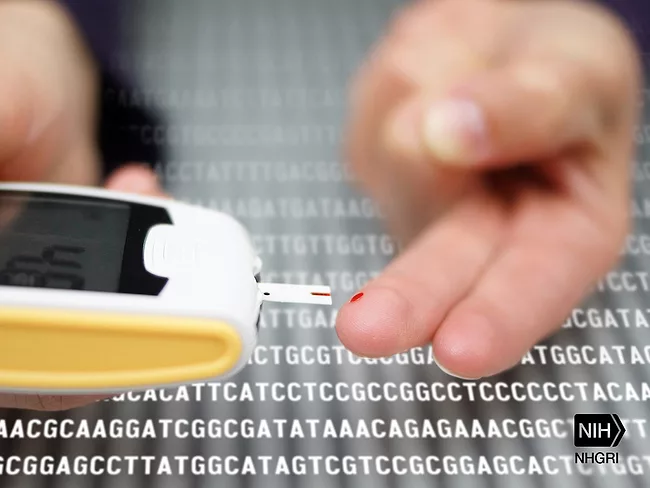
With the Simpliciti-T1 phase II trial testing new-mechanism TTP-399 as adjunct therapy in type 1 diabetes (T1D), High Point, N.C.-based Vtv Therapeutics Inc. nailed the HbA1c endpoint with none of the safety concerns foiling developers of type 2 diabetes (T2D) drugs who sought to broaden their labels.
Two of three oncology drugs selected for blockbuster status in the Cortellis Drugs to Watch analysis are antibody-drug conjugates (ADCs), highly targeted cancer therapies designed to leave the healthy cells be and zap the bad ones. What once was a dead end for development has morphed into a competitive space with 57 ADC candidates for cancer indications in phase I or later trials, according to Cortellis.
Inclisiran’s inclusion on the 2020 Cortellis Drugs to Watch list is an example of target discovery possibilities hiding in plain sight – if companies and institutions are willing to put effort into increasing sample diversity in genomic research.
The less-frequent dosing regimen of Basel, Switzerland-based Novartis AG’s cholesterol therapy, inclisiran, under development in the hands of subsidiary The Medicines Co., positions the small interfering RNA (siRNA) drug to take on marketed proprotein convertase subtilisin/kexin type 9 (PCSK9)-targeting antibodies as well as statins in the busy therapeutic space. Statins are the gold standard now, but about 80% of patients don’t reach their lipid goals.
Filgotinib (GLPG-0634) has the potential to be a blockbuster drug, according to Cortellis Drugs to Watch analysis, but it may take a few approvals in various indications to reach the coveted mark of $1 billion in annual sales.
“Lack of knowledge is the true bottleneck to clinical translation. We need to stop telling basic scientists, especially trainees, that their work’s value lies in its translatability.” That is the unexpected advice of none other than William Kaelin Jr., whose scientific discoveries have proved to be both top-rate science and very translatable indeed. His work, for which Kaelin has won the 2019 Nobel Prize in Physiology or Medicine and a host of other awards, has enabled the development of multiple therapies targeting anemia and cancer, including vadadustat.
Millions of people are affected by blood disorders, and the prevalence is expected to grow as our population ages. It is not surprising that, according to the American Society of Hematology, the FDA approved several new therapies – or new indications for previously approved therapies – in 2019 for people living with non-malignant blood disorders. Those included two disease-modifying treatments for sickle cell disease and the first anticoagulant for venous thromboembolism management in children.
At 26 years old, Karen Jury stood before a class of elementary students as her right arm tingled before falling completely numb. That led to a conversation with her doctor. Years of migraine headaches and a recurring sensation of shock waves throughout her body, simply from the turn of her head, resulted in a scheduled spinal tap and an MRI. She received a diagnosis of Arnold-Chiari malformation, a structural defect in the base of the skull and cerebellum.
Jaime Sanders was just a child, barely 8 years old, when a debilitating condition kept her inside from recess and home from school. “I would get these intense headaches focused on the left side like a sledgehammer was banging on my head,” she said.