As the aftershocks of two U.S. bank failures rattled global markets, the Biden administration rushed to calm the nerves of the world and to prevent an even bigger tremor. “The banking system is safe,” President Joe Biden said March 13, as he assured companies and individuals who had accounts with Silicon Valley Bank or Signature Bank that they would have access to all their deposits now that the federal government has taken over the failed banks – including deposits exceeding the $250,000 protected by the FDIC.
Irvine Calif.-based Inari Medical Inc. reported results from what it described as the largest prospective study of interventional treatment in high-risk pulmonary embolism (PE), which found a 90% survival improvement in high-risk pulmonary embolism using the company’s Flowtriever System. Data from the FLAME (Flowtriever for Acute Massive Pulmonary Embolism) study in high-risk PE was presented at the 2023 American College of Cardiology (ACC) conference on March 5.
Pricing won’t be known until later for Pfizer Inc.’s Zavzpret (zavegepant), which became the first and only calcitonin gene-related peptide receptor antagonist nasal spray approved by the U.S. FDA for acute treatment of migraine with or without aura in adults. The product is slated to launch this summer. Meanwhile, Wall Street has questions about New York-based Pfizer’s performance in the migraine space.
While the U.S. is in an IPO drought, going public remains the only lifeline for many small life sciences companies facing a decade of development, R&D costs of $1 billion or more, and a hefty risk of failure, Susan Washer, former CEO of Applied Genetic Technologies Corp., testified in a March 9 hearing before the House Subcommittee on Capital Markets.
The Biden administration released a blueprint for the U.S. federal government’s fiscal 2024 budget year on March 9, which includes additional funding for pandemic preparedness. However, the White House has signaled its intent to drill down on drug prices with an increase in the scope of the number of drugs subject to Medicare price negotiations along with a 67% increase in the Advanced Research Projects Agency–Health (ARPA-H) to $2.5 billion, a boost that is sure to draw cheers from companies in the life sciences.
The FDA’s emergency use authorization (EUA) program for rapid antigen tests for the COVID-19 pandemic is coming to an end, but few rapid antigen test makers have laid out clear plans regarding the post-public health emergency world. Quidelortho Corp. managed to beat the competition to the non-EUA market for these tests with a grant of de novo petition for its Sofia rapid antigen test, which now provides other tests with a predicate device, thus ensuring that this will not be the last such test to reach the U.S. market.
Noting that the FDA had rejected its previous proposal last year to voluntarily withdraw Makena from the U.S. market, Covis Pharma BV is again offering to voluntarily withdraw the drug, which is the only drug approved to reduce the risk of preterm birth. Along with its offer, the company asked the agency “to allow for an orderly wind-down that would best serve the interests of the patients,” according to a March 6 letter from Covis’ attorney to FDA Commissioner Robert Califf and Namandjé Bumpus, the agency’s chief scientist.
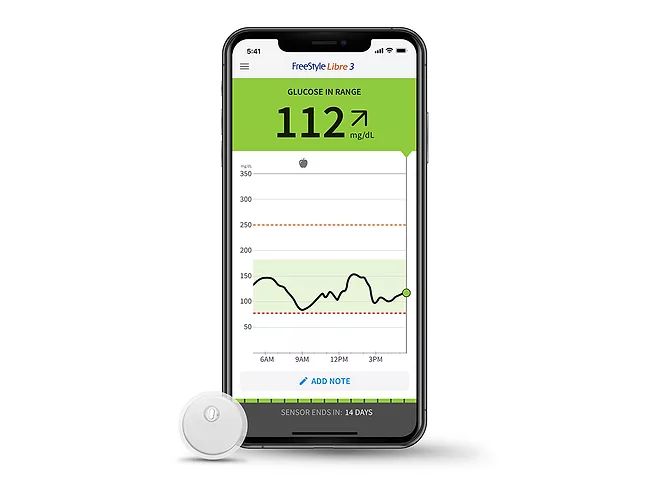
Abbott Laboratories received U.S. FDA clearance for the Freestyle Libre 2 and Freestyle Libre 3 continuous glucose monitoring (CGM) sensors for integration with automated insulin delivery (AID) systems. AID systems automatically adjust and administer insulin via a pump based on blood glucose levels determined by the sensors. Abbott said it was partnering with multiple AID manufacturers in the U.S. and Europe.
New data presented at the Cardiovascular Research Technologies (CRT) 2023 meeting reinforced the safety and effectiveness of Boston Scientific Corp.’s Watchman FLX left atrial appendage occlusion (LAAO) device in routine, real-world clinical care. Building on positive 45-day outcomes presented at CRT 2022, the analysis shows sustained low stroke rate at one year, including ischemic stroke.
The Biden administration offered a sneak peek March 7 at its fiscal 2024 budget by outlining ways it proposes extending the life of the U.S. Medicare Hospital Insurance Trust Fund by at least 25 years.
 RSS
RSS