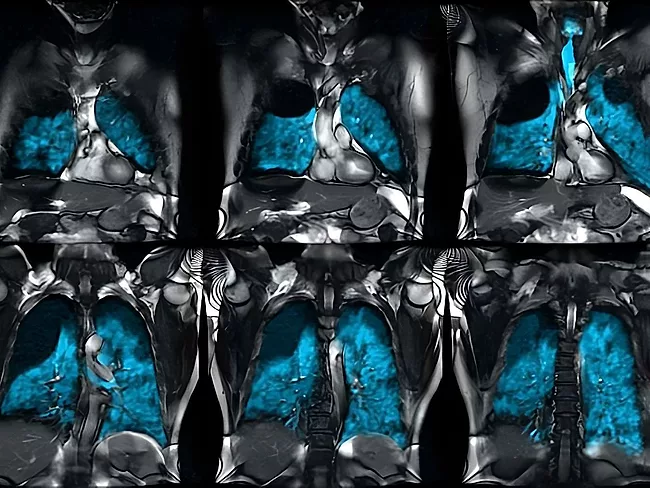
The U.S. FDA has approved Polarean Imaging plc’s drug-device combination product, Xenoview, for use with magnetic resonance imaging (MRI) in evaluating lung ventilation in adults and children aged 12 and older. The hyperpolarized contrast agent, which is prepared from the Xenon Xe 129 gas blend, is expected to be commercially available in the U.S. starting next month.
Metabolic health is at an odd juncture. With the advent of glucagon-like peptide (GLP-1) agonists, pharmacologically induced weight loss has matured into a viable therapeutic option at long last. And research into the drug class is continuing apace.
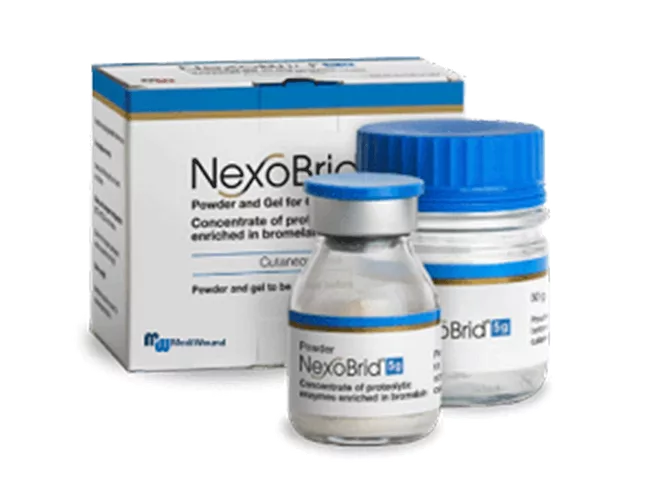
After working through a complete response letter (CRL) brought about by COVID-19 from the U.S. FDA in June 2021, Mediwound Ltd. has received the agency’s approval for Nexobrid (anacaulase-bcdb) to treat severe burns in adults.
Tucked into the 4,155-page, $1.7 trillion spending bill for fiscal 2023 that U.S. President Joe Biden signed into law Dec. 23 is a small provision that may have outsized impact on future biosimilar and other drug development. Championed by lawmakers on both sides of the political spectrum, the provision modernizes the data that can be used to support drug development, including alternatives to animal studies.
The U.S. FDA managed to wrap up a guidance for clinical decision support (CDS) products after several years, one of several projects the agency was liable for in the area of digital health. While a much-needed draft guidance for change control for artificial intelligence algorithms made the guidance agenda for the FDA’s new fiscal year, that draft is only a B draft guidance priority, suggesting that a final guidance might not emerge until calendar year 2024, possibly later.
Tucked into the 4,155-page, $1.7 trillion spending bill for fiscal 2023 that U.S. President Joe Biden signed into law Dec. 23 is a small provision that may have outsized impact on future biosimilar and other drug development. Championed by lawmakers on both sides of the political spectrum, the provision modernizes the data that can be used to support drug development, including alternatives to animal studies.
Metabolic health is at an odd juncture. With the advent of glucagon-like peptide (GLP-1) agonists, pharmacologically induced weight loss has matured into a viable therapeutic option at long last. And research into the drug class is continuing apace.
In 2022, neuroscience research made significant advances by understanding the role of large-scale neuronal connections in disorders. So did cancer research.
Despite pipeline setbacks in 2022, TG Therapeutics Inc. ended the year on a positive note, with U.S. FDA approval of its glycoengineered CD20 monoclonal antibody, ublituximab, in relapsing multiple sclerosis (MS). Branded Briumvi, the drug is set to go up against approved anti-CD20 antibodies Kesimpta (ofatumumab, Novartis AG) and Ocrevus (ocrelizumab, Roche Holding AG).
Movano Inc., dba Movano Health, expects to launch its medical-grade smart ring, Evie, on a one-time cost basis in 2023. The digital wearable, which is designed specifically for women, collects a range of health and wellness metrics, and translates them into personalized, actionable insights for wearers and their doctors.
 RSS
RSS