Researchers from Capital Medical University in Beijing, China, aimed to develop novel antidepressant compounds based on the monoaminergic mechanisms of classical antidepressant drugs and the therapeutic potential of 5-HT1A receptor activation.
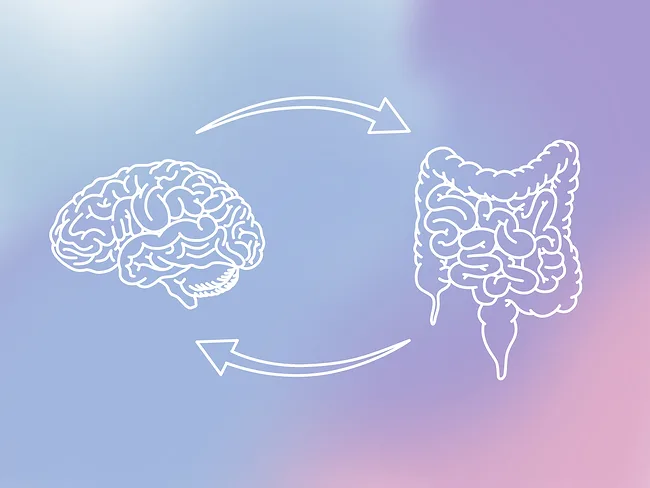
The gut microbiota may be altered in people with depression as a result of treatment. These microorganisms reorganize differently in individuals who respond to therapy. In a multiomics study of antidepressant-naive patients presented at the 2026 World Congress of Neuropsychopharmacology (CINP), scientists from National Taiwan University found that patients who improved after antidepressant treatment maintained a more balanced and functional microbial ecosystem, recovered beneficial metabolites, and displayed blood-based biological signals that aligned with these changes.
The gut microbiota may be altered in people with depression as a result of treatment. These microorganisms reorganize differently in individuals who respond to therapy. In a multiomics study of antidepressant-naive patients presented at the 2026 World Congress of Neuropsychopharmacology (CINP), scientists from National Taiwan University found that patients who improved after antidepressant treatment maintained a more balanced and functional microbial ecosystem, recovered beneficial metabolites, and displayed blood-based biological signals that aligned with these changes.
Liraglutide, a glucagon-like peptide 1 (GLP-1) receptor agonist used in diabetes and obesity, could alleviate depression through a pathway that does not depend on the GLP-1 receptor but instead on the gut microbiota, since the treatment increases the presence of the bacterium Lactobacillus delbrueckii.
Liraglutide, a glucagon-like peptide 1 (GLP-1) receptor agonist used in diabetes and obesity, could alleviate depression through a pathway that does not depend on the GLP-1 receptor but instead on the gut microbiota, since the treatment increases the presence of the bacterium Lactobacillus delbrueckii. This symbiotic microorganism produces a lipid that modulates neuronal activity, normalizing the hyperactivation of brain regions in mice involved in emotional processing, which ultimately reduces depressive behaviors.
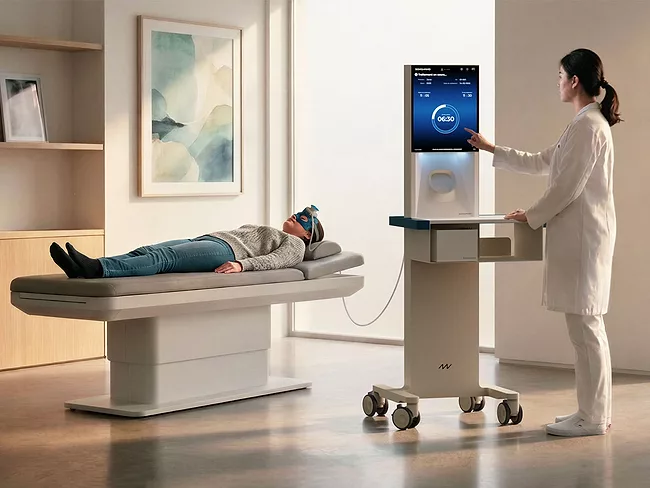
Sonomind SAS raised €20 million (US$23 million) in a series A funding round for its ultrasound-based neuromodulation technology for depression. The funds will be used for clinical trials of the non-invasive device, which uses a custom-made acoustic lens to precisely target deep regions within the brain to bring relief to patients suffering from treatment-resistant depression.
The quest by psychedelic drugs for full legitimacy in the pharmaceutical world has seen marked progress as well as (fewer) setbacks of late, and developers are hopeful that an important corner has been turned.
In a sea of uncertainty, a large-scale, long-term Swedish study is the first to show that people using GLP-1 receptor agonists are less likely to have worsening mental illness. The study involved a national cohort of 95,490 people diagnosed with depression or anxiety disorder, who also were treated with any diabetes drug (apart from insulin).
There is broad agreement that psychiatric diagnoses in their current form are not reflective of any underlying biology, and that this is one of the things hampering psychiatric drug development. “We are still fully reliant on descriptive diagnoses that yield heterogeneous patient cohorts,” Steve Hyman told the audience at the European Congress of Neuropsychopharmacology (ECNP) Roadmap Meeting on Precision Psychiatry in Amsterdam in January.
Any lingering disappointment in the delay for Xenon Pharmaceuticals Inc.’s readout of the phase III X-Tole2 study testing azetukalner in focal onset seizures (FOS) appeared thoroughly extinguished as the company’s KV7 potassium channel opener yielded better-than-expected data, even besting earlier phase IIb findings and positioning the drug for an NDA submission later this year.