Mutations in the annexin A11 gene contribute to motor neuron degeneration in amyotrophic lateral sclerosis by disrupting cellular calcium ion homeostasis and stress granule protein disassembly contributing to ALS neurodegeneration.
Under the right circumstances, a single mouse can be as good as a group of eight or 10 animals in predicting whether a tumor will respond to a drug, researchers reported at the 2020 EORTC-NCI-AACR (ENA) Molecular Targets meeting on Saturday. The single-animal approach “allows incorporation of more tumor models within the same resource constraints,” Peter Houghton told reporters at a press conference previewing ENA highlights.
Keeping you up to date on recent developments in neurology, including: Software developed to objectively calculate white matter hyperintensities; CSF biomarkers point to underlying cause of neural damage in COVID-19; Scientists discover how cryptochrome mutation leads to sleep disorder; Physical labor significantly increases the risk of dementia.
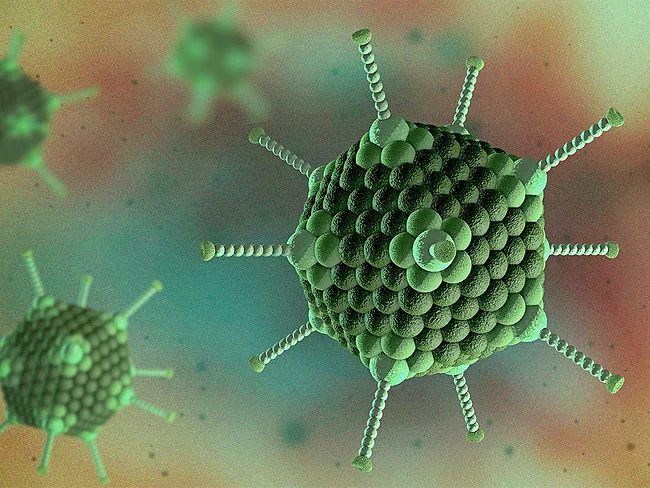
Scientists working at the University of North Carolina, Chapel Hill reported in the Oct. 21, 2020, issue of Nature on the successful development of a one-time specific sequence-directed gene therapy approach using the combination of AAV with CRISPR technology that successfully prevented the presentation of Angelman syndrome throughout the lifetime of a mouse model.
Anthony Wynshaw-Boris, professor and chair of the department of genetics and genome sciences at Case Western Reserve University School of Medicine, set a positive tone in his opening talk at the 2020 annual meeting of the American Society of Human Genetics (ASHG). "This is guaranteed to be the best-ever virtual ASHG annual meeting," he told the audience. The opening plenary abstract session, for one, did not disappoint. It began with the definition of a new disease, identified through a new approach, and possibly leading to a new way to think about rheumatic diseases.
CYBERSPACE – “We are not very good at predicting drug response in the clinic,” Ayesha Muhammad told the audience at the 2020 annual meeting of the American Society of Human Genetics (ASHG), “though it is not for lack of trying.” Nevertheless, adverse drug reactions are among the top 10 causes of in-hospital mortality.
Keeping you up to date on recent developments in diagnostics, including: A case for pooled testing of SARS-CoV-2; FIT as effective as colonoscopy in ruling out suspected colorectal cancer; Looking to comparative genomics analysis to explain COVID-19 susceptibility.
Australian geneticists have developed a new tool, the Single Nucleotide Association Test for CNVs, with which to analyze copy number variations and their associations in genetic neurodevelopmental disorders.
 RSS
RSS