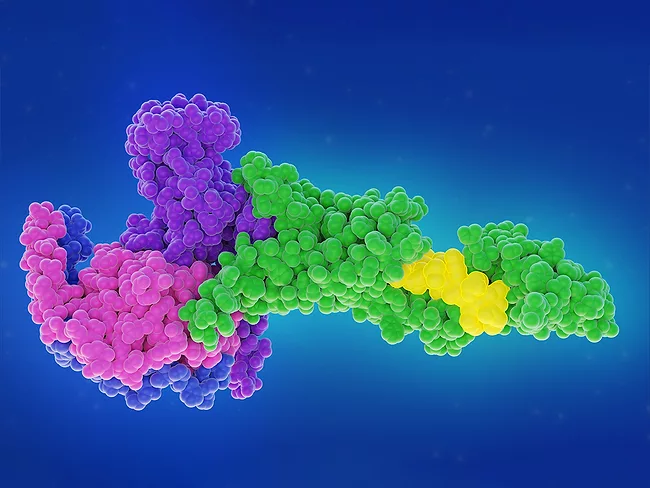
Researchers at Daping Hospital in China have reported that liver-targeted delivery of the APOE3-Christchurch (APOE3Ch) variant, a rare protective form of apolipoprotein E, can indirectly reduce brain pathology, highlighting the therapeutic potential of peripheral approaches to Alzheimer’s disease.
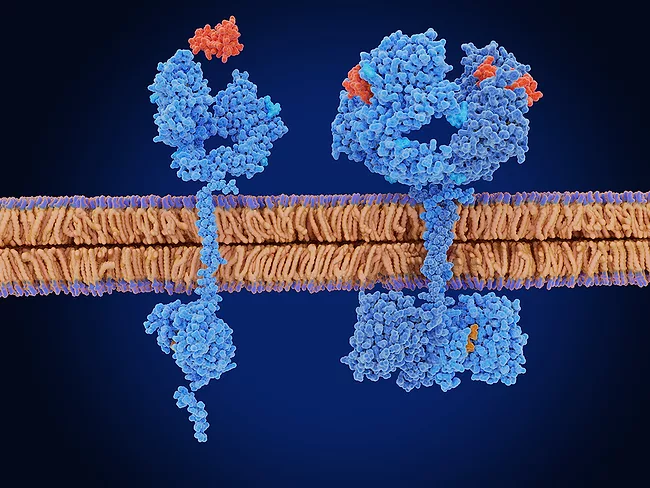
A new mRNA and lipid nanoparticle (mRNA-LNP) platform could selectively reprogram in vivo cytotoxic effector T cells (Teff), the cells responsible for eliminating infected or tumor cells. To achieve this, scientists at the University of Pennsylvania conjugated LNPs with fractalkine, a molecule that binds to the CX3CR1 receptor, which is a marker of Teff cells. Using this strategy, the researchers delivered an mRNA encoding new proteins such as IL‑2 or human CD62 L‑selectin, opening the door to temporarily reprogramming these cells within the body, both in the blood and in lymphoid tissue, where they reside and become activated.
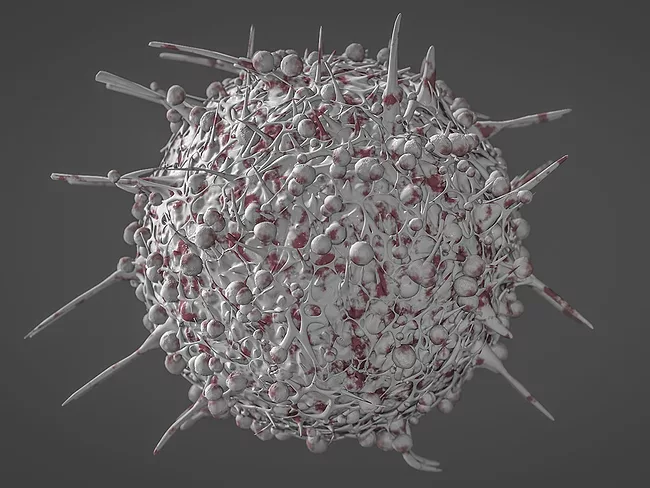
News of eight infections and three deaths so far due to an emerging zoonotic virus has brought back unhappy memories of the early days of SARS-CoV-2. At a press conference on Thursday, officials from the WHO did their best to calm the public’s fears that the MV Hondius, the ship currently heading to the Canary Islands with its remaining passengers plus assorted medical, WHO and European Center for Disease Prevention and Control staff, is the 2026 version of the Diamond Princess.
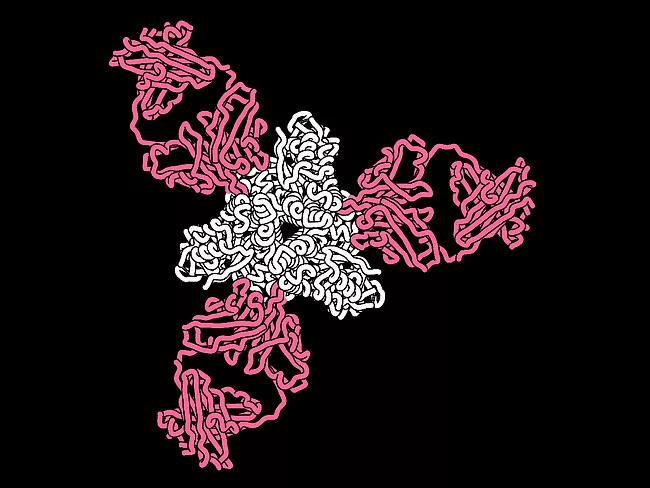
Scientists at the La Jolla Institute for Immunology have identified and characterized human antibodies that neutralize the measles virus by blocking its entry into the cell. This is the first time that antibodies have been shown to bind effectively to two essential viral proteins, creating a dual blockade that prevents infection. Unlike the current vaccine, which is based on an attenuated virus and is not recommended for immunocompromised individuals, these monoclonal antibodies could be used both as a new vaccine approach and as a treatment for the entire population.
News of eight infections and three deaths so far due to an emerging zoonotic virus has brought back unhappy memories of the early days of SARS-CoV-2. At a press conference on Thursday, officials from the WHO did their best to calm the public’s fears that the MV Hondius, the ship currently heading to the Canary Islands with its remaining passengers plus assorted medical, WHO and European Center for Disease Prevention and Control staff, is the 2026 version of the Diamond Princess.
The classic origin story for a biotech startup is that of a scientist who nurtures his work out of a university and to commercial success. For Link Biologics Ltd. and its TSG6-based pipeline, the story is the other way around; it began with now-CEO Reuben Dawkins meeting University of Manchester scientists Tony Day and Caroline Milner while he was on the lookout for “great science that needs help to make it to patients.” The three are now co-founders of Link, which spun out of the University of Manchester in 2021 and has four programs in three indications, all based on TSG-6 biology.
Next-generation T-cell engager (TCE) specialist Cytospire Therapeutics Ltd. has raised £61 million (US$82.7 million) in a series A round, equipping it to advance the lead program CYT-X300 to the clinic in the treatment of EGFR-positive solid tumors. The company’s pan gamma delta (γδ) TCEs are designed to overcome problems with cytokine release syndrome, on-target effects on healthy cells, and the excessive activation of CD3 that have occurred with earlier bispecific antibodies that bind to the CD3 receptor on T cells.
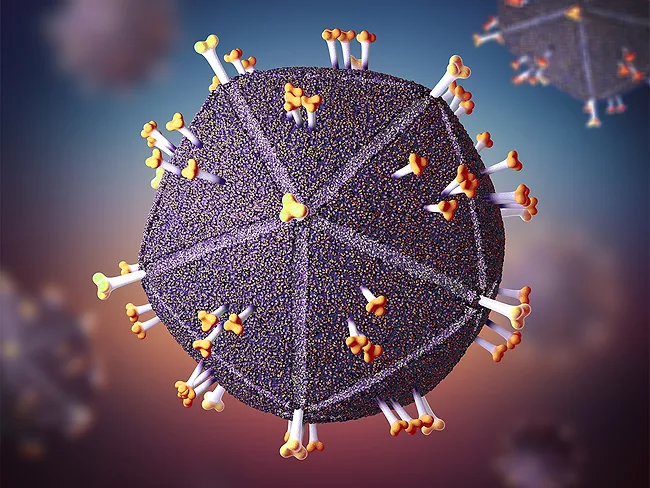
A new vaccination strategy designed to induce antibodies that recognize the apex of the HIV Env protein uses Env trimers displayed on liposomes to increase their density and orient them correctly. This presentation enhanced apex-focused antibody responses in macaques, and the monoclonal antibodies isolated after immunization showed binding modes and structural features resembling human broadly neutralizing antibodies (bNAbs), indicating that the vaccine can steer the antibody response toward this vulnerable site.
A new molecule combines the action of two incretins, GLP-1 and GIP, hormones that regulate glucose and appetite, with lanifibranor, a triple agonist of peroxisome proliferator activated receptors (PPAR α/γ/δ). GLP-1-GIP-Lani enables targeted delivery of the PPAR agonist to cells that express incretin receptors, enhancing weight loss, improving glucose control and reducing inflammation in obese mice. In these models, it surpassed the effects of GLP-1 receptor agonists such as semaglutide and GLP-1-GIP co-agonists such as tirzepatide in reducing body weight, improving glycemic control and enhancing metabolic outcomes during active treatment.
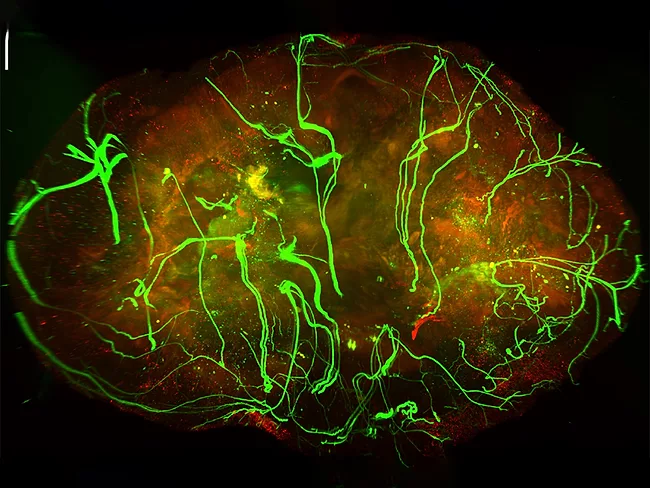
Innervation by the sympathetic nervous system is typically a boon to tumors. But researchers from Weill Cornell Medicine and colleagues have shown that in some cases, the relationship between tumors and the nervous system is more complex. Depending on context, innervation can either assist or obstruct tumor growth. “The nervous system typically has been considered as a driver of cancer growth, but here we’ve found that it can be a brake on cancer growth in some contexts,” said David Simon, an assistant professor of biochemistry and biophysics at Weill Cornell Medicine.
 RSS
RSS