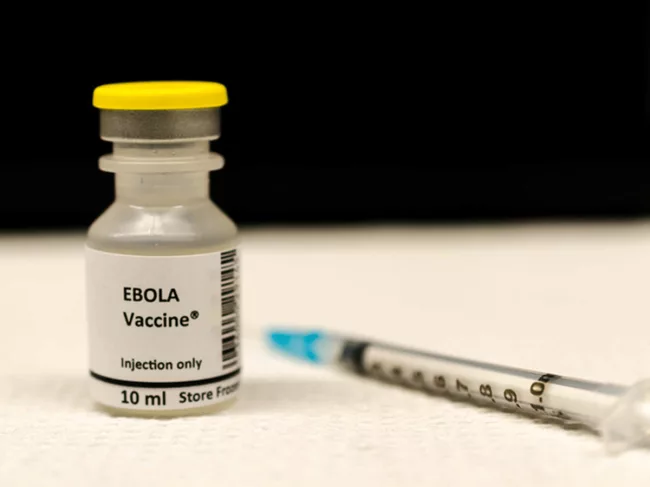
The University of Oxford has begun recruiting for a phase I Ebola vaccine trial, with the first vaccinations based around the same technology as the university’s COVID-19 vaccine.
The sprint of fighting COVID-19 has been in respiratory medicine. For patients who become acutely ill, the short-term danger is in respiratory failure. But increasingly, it seems like the pandemic’s marathon fight may come to be against the neurological symptoms of COVID-19.
Antios Therapeutics Inc. followed up its $96 million series B financing in April with another $75 million series B-1 round that reflects faith in the potential of lead candidate ATI-2173, bound for phase IIb investigation as the backbone of a once-daily, curative regimen in chronic hepatitis B virus (HBV) infection.
Fosun Pharmaceutical Group Co. Ltd. has acquired a 73% stake of Antejin Biotech Co. Ltd. in a merger and acquisition deal worth up to ¥4.006 billion (US$626.2 million) to expand its pipeline in the field of bacterial vaccines. To kick off, Shanghai-based Fosun purchased about 32.52% equity interest in Antejin from nine shareholders for about ¥1.108 billion in cash.
Aicuris Anti-Infective Cures AG has expanded an antibacterial collaboration with Lysando AG to focus on a topical treatment for diabetic foot infections, based around technology that attacks bacteria using specially-designed molecules based on phage proteins.
Top-line results of a phase III trial testing sulbactam-durlobactam, a combination beta-lactam antibiotic and beta-lactamase inhibitor, in patients with carbapenem-resistant Acinetobacter baumannii infections, found the novel combo to be statistically noninferior to colistin in 28-day all-cause mortality, the study's primary endpoint.
If the FDA follows the advice of its Antimicrobial Drugs Advisory Committee, Takeda Pharmaceutical Co. Ltd.’s antiviral drug, maribavir, will become the first drug approved in the U.S. to treat resistant or refractory cytomegalovirus infection and disease in both solid organ and hematopoietic stem cell transplant recipients.
LONDON – The World Health Organization (WHO) is recommending the widespread rollout of Glaxosmithkline plc’s Mosquirix (RTS,S), the first malaria vaccine, following real-world evidence it is safe and can be integrated into routine immunization programs and existing malaria control measures.
After nearly 20 years in development, Takeda Pharmaceutical Co. Ltd.’s antiviral drug, maribavir, will get its day before the FDA’s Antimicrobial Drugs Advisory Committee Oct. 7. During the course of its development by various companies, the drug’s indication has morphed from a prophylaxis to a treatment of resistant or refractory cytomegalovirus infection in both solid organ and hematopoietic stem cell transplant recipients.
Developing the next generation of antibiotics is proving to be a major problem, with research reaching an almost standstill due to a lack of funding because of the poor return on R&D investment from the products.
 RSS
RSS