Enanta Pharmaceuticals Inc.’s phase IIb study of zelicapavir missed its primary endpoint in treating respiratory syncytial virus (RSV) but mined enough positive results to get the company to talk about advancing the once-daily oral treatment into further, larger studies.
Around the globe, fungal infections affect more than 1 billion people and account for several million deaths every year. They pose a particular problem in low- and middle-income countries, where antifungal drugs may be less available and, even if available, may prove ineffective because of fungal resistance. These considerations highlight the need for a next generation of antifungals.
Phase Scientific International Ltd. launched China’s largest clinical study for urine-based cervical cancer screening. If successful, the blood-based test could be the first non-invasive test for HPV.
In what represents the first filing to have emerged in the name of Cellect Laboratories Inc., one of the start-up’s co-founders, Claire Theresa Murphy, describes their development of a non-invasive screening method that could one day replace the Pap test.
Globally, over half of people living with HIV are women. But in clinical cure trials, they make up only about 20% of participants. And that gender imbalance is causing researchers to miss out on ways to improve cure strategies. Because women’s immune systems appear to be better at controlling HIV infection in a way that silences the reservoir – the provirus integrated into host cells in infected persons.
Breaking with its long-held, oft-recited mantra that observational studies are great for generating hypotheses but not as evidence for approval, the U.S. FDA is initiating the approval of leucovorin calcium tablets for patients with cerebral folate deficiency, a neurological condition that affects folate transfer into the brain.
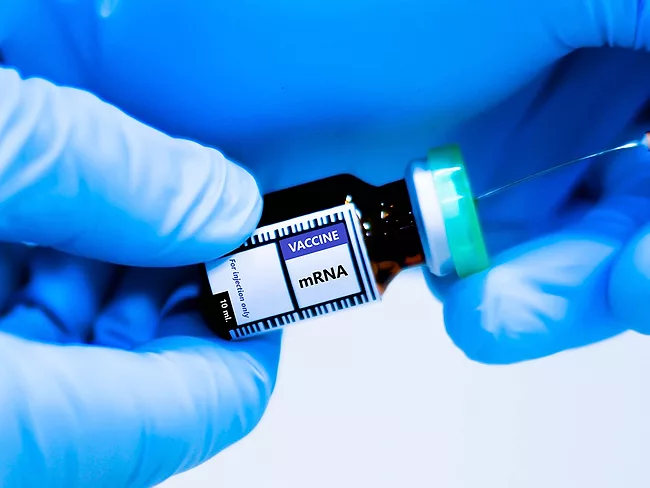
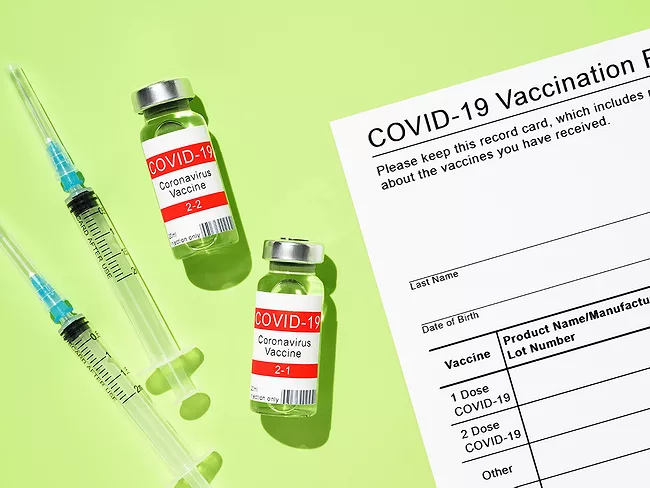
GC Biopharma Corp. has filed an IND application with the South Korean Ministry of Food and Drug Safety (MFDS) for a phase I trial of GC-4006A, an mRNA vaccine candidate for COVID-19.
Globally, over half of people living with HIV are women. But in clinical cure trials, they make up only about 20% of participants. And that gender imbalance is causing researchers to miss out on ways to improve cure strategies. Because women’s immune systems appear to be better at controlling HIV infection in a way that silences the reservoir – the provirus integrated into host cells in infected persons.
The second day’s meeting of the U.S. CDC’s Advisory Committee for Immunization Practices (ACIP) took up guidelines related to COVID-19 vaccines, of which an outspoken skeptic is Health and Human Services Secretary Robert Kennedy – who in June fired all 17 members of ACIP and replaced them with names more to his liking.
 RSS
RSS