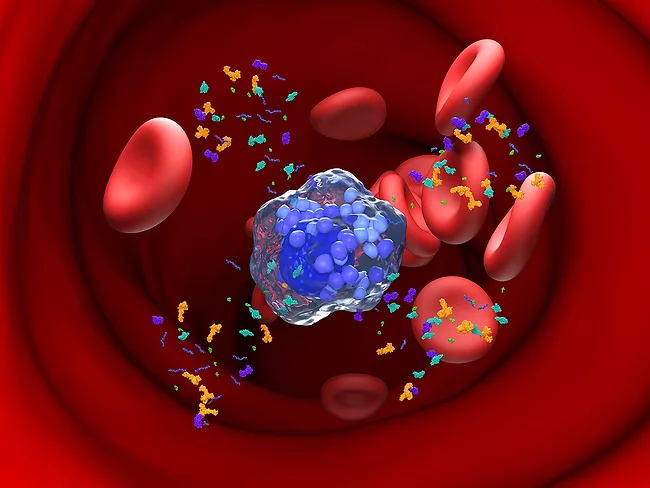
An experimental drug for treating diabetes and obesity has been shown to lower blood sugar levels and increase fat burning. It is a β2-adrenergic receptor (β2AR) agonist that mimics the effects of physical exercise by activating skeletal muscle metabolism. Unlike GLP-1-based treatments such as semaglutide and tirzepatide, this new compound, developed by researchers at the Karolinska Institute, Stockholm University, and the biotech company Atrogi AB, does not suppress appetite or cause muscle loss.
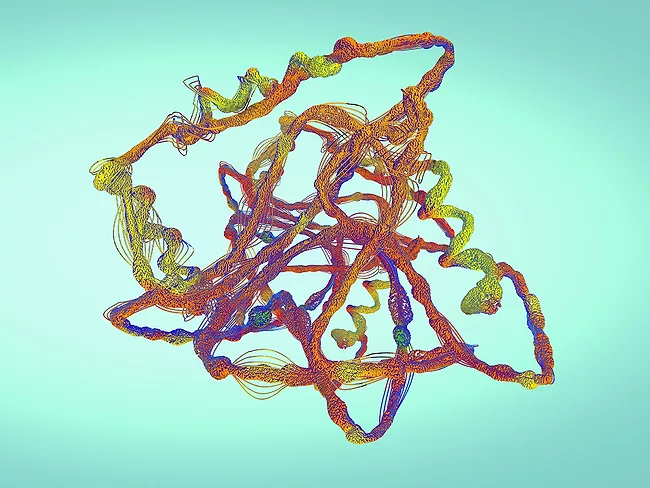
The Alphafold machine learning system for predicting a protein’s structure from its amino acid sequence has been adapted to make it possible to design de novo proteins that fold in a particular way and bind to prespecified target proteins. The sister system, called Alphadesign, works by generating random strings of amino acids, using Alphafold to predict their structure, and then iteratively optimizing the design.
Chinese researchers are preparing the details for the publication of another scientific milestone, the creation of a chimera with a human heart and a kidney developed from human stem cells in pig embryos. These studies aim to address the shortage of immunocompatible organ donors while shedding light on some of the most fundamental questions in developmental biology.
CSPC Pharmaceutical Group Ltd. has entered into a strategic research collaboration agreement with Astrazeneca plc for the discovery and development of novel oral small-molecule candidates utilizing the group’s AI-driven, dual-engine efficient drug discovery platform.
Researchers at the Massachusetts Institute of Technology and Recursion Pharmaceuticals Inc. have released an open-source AI model that can predict the binding strength of small molecules as well as structures of proteins and biomolecular complexes. The model, which is called Boltz-2 and was released by the research team on the developer platform Github on June 6, addresses a major bottleneck in drug discovery with its improved ability to predict binding strengths.
Turning the human body into a biofactory of precision protein therapeutics is the focus of newly launched Signify Bio, which emerged with an oversubscribed $15 million initial financing to advance three platforms with broad potential across therapeutic areas.
Scientists at Shanghai Tech University have used the scaffold-hopping artificial intelligence model Geminimol to identify N-methyl-D-aspartate (NMDA) receptor ligands that show selectivity and specificity. The researchers found that GM-10 could be a potent inhibitor of the GluN1/GluN3A subunits of the NMDA receptor, demonstrating the utility of this technique to develop new drugs.
A peptide with a dual mechanism of action – it dissolves the bacterial membrane and activates the immune system – could be an effective weapon against microorganisms that have evolved ways to evade antibiotics, as superbugs do. Scientists at the University of Pennsylvania (UPenn) have designed stable synthetic peptides that activate mast cell receptors, which are cells involved in the innate and adaptive immune response. This dual approach eliminates bacteria and recruits neutrophils to finish the job.
The lack of animal models that mimic human disease impedes the study of many pathologies that still lack treatment beyond symptom relief. This is what has happened so far with PURA syndrome, a rare disorder affecting brain development for which a mouse model has finally been developed. Other times, small and large models exist, but an effective treatment remains elusive, as is the case with Krabbe disease, a fatal disease in children that could be prevented with the advances in gene therapy.
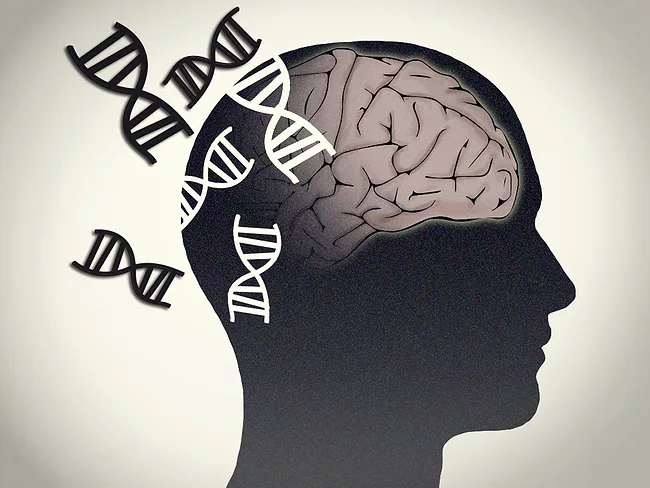
A collaboration of scientists from the NIH Brain Initiative consortium has published eight simultaneous studies in Neuron, Cell, Cell Genomics, Cell Reports and Cell Reports Methods, with the results of the Armamentarium project, a new set of gene therapy tools for the research and treatment of human brain disorders. The methodology, based on genetic techniques, RNA detection, genomic enhancers and viral vectors, is designed to access different CNS cell types, neuronal and non-neuronal cells, with common and reproducible protocols now available for any laboratory.
 RSS
RSS