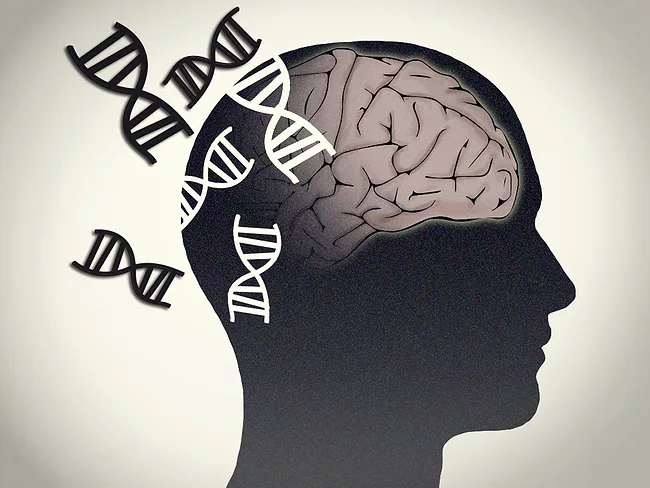
A collaboration of scientists from the NIH Brain Initiative consortium has published eight simultaneous studies in Neuron, Cell, Cell Genomics, Cell Reports and Cell Reports Methods, with the results of the Armamentarium project, a new set of gene therapy tools for the research and treatment of human brain disorders. The methodology, based on genetic techniques, RNA detection, genomic enhancers and viral vectors, is designed to access different CNS cell types, neuronal and non-neuronal cells, with common and reproducible protocols now available for any laboratory.
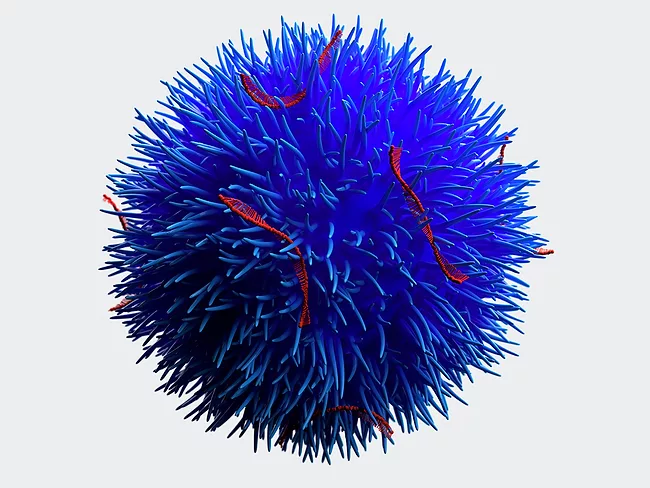
N4 Pharma plc has successfully completed the first in vivo study of orally delivered Nuvec using its lead program N4 101, an orally administered anti-inflammatory treatment for inflammatory bowel disease (IBD).
Since the development of the base and prime editing technique by David Liu at the Broad Institute, their applications in biomedicine have continued to grow, reaching 17 clinical trials for base editing and one clinical assay for prime editing. The 28th Annual Meeting of the American Society of Gene & Cell Therapy (ASGCT) marked a historic milestone this year by presenting the first case of treatment with base editors of a baby with a deadly metabolic disease.
It is far easier and safer to inject drugs into veins than directly into the brain, yet it is extremely difficult for systemically delivered drugs to cross the blood-brain barrier and achieve therapeutic concentrations there.
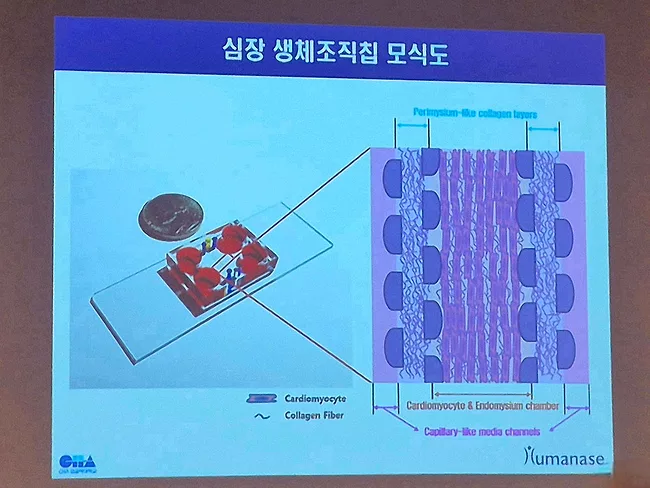
The U.S. FDA’s decision to phase out animal testing for INDs is driving a new market of alternative, nonanimal testing technologies like organoids and organs-on-a-chip, speakers at Bio Korea 2025 said.
Scientists at the Center for Genomic Regulation (CRG) have developed an AI-based tool to design thousands of sequences that regulate DNA. They have also synthesized these molecules, called enhancers, to control gene activation in mouse hematopoietic stem cells, which they have tested in vitro.
Viverita Therapeutics Inc. has established a strategic research collaboration with Boehringer Ingelheim Pharma GmbH & Co. KG aimed at accelerating the discovery and validation of novel therapeutic targets for cancer.
“I’m a pediatrician in metabolic diseases, and every day in my clinical work I’m confronted with our lack in effective therapies for our patients.” That was the sobering introduction by Sabine Fuchs in her talk at the 2025 Congress of the European Association for the Study of the Liver in Amsterdam this week. The nature of metabolic diseases makes it difficult to develop treatments for them. “There are over 1,500 diseases known by now, and it is just very difficult to develop therapies for each and every individual rare disease.”
Less than a week after announcing it had a new CEO, privately held Creyon Bio Inc. began a licensing and research partnership with Eli Lilly and Co. Creyon is getting $13 million up front and could bring in more than $1 billion in milestone payments. The two plan to find, develop and commercialize RNA-targeted oligonucleotide treatments for a range of diseases.
Creyon Bio Inc. has entered into a global licensing and multitarget research collaboration with Eli Lilly & Co. focused on the discovery, development and commercialization of novel RNA-targeted oligonucleotide therapies for a broad range of diseases.
 RSS
RSS