Siemens Healthineers AG became the latest company to sign a licensing agreement with Alzpath Inc. to use its pTau217 antibody in the development of a blood-based diagnostic assay for Alzheimer's disease. Alzpath previously signed deals with the likes of Roche AG and Beckman Coulter Diagnostics Inc. to use its pTau217 antibody to create diagnostic tests based for early detection and monitoring of Alzheimer's.
ADEL Inc. closed a year-end licensing deal worth up to $1.04 billion with Sanofi SA for ADEL-Y01, a specific tau-targeting Alzheimer’s disease drug candidate in a U.S. phase I study.
A little over a week after announcing that the Evoke and Evoke+ studies failed to show that oral semaglutide could slow cognition decline in patients with Alzheimer’s disease, investors and researchers got the first look at the actual data from the studies, which were presented at the Clinical Trials on Alzheimer’s Disease 2025 meeting.
At the Clinical Trials on Alzheimer’s Disease 2025 meeting, a panel of experts discussed the need for developing combination therapies for the complex diseases that result in Alzheimer's disease and other dementias.
At the Clinical Trials on Alzheimer’s Disease 2025 meeting, a panel of experts discussed the need for developing combination therapies for the complex diseases that result in Alzheimer's disease and other dementias.
Vandria SA published phase I data on a potential new mechanism of action in treating Alzheimer’s disease, demonstrating its orally available and brain-penetrant mitochondria-boosting compound, VNA-318, engages its intended target.
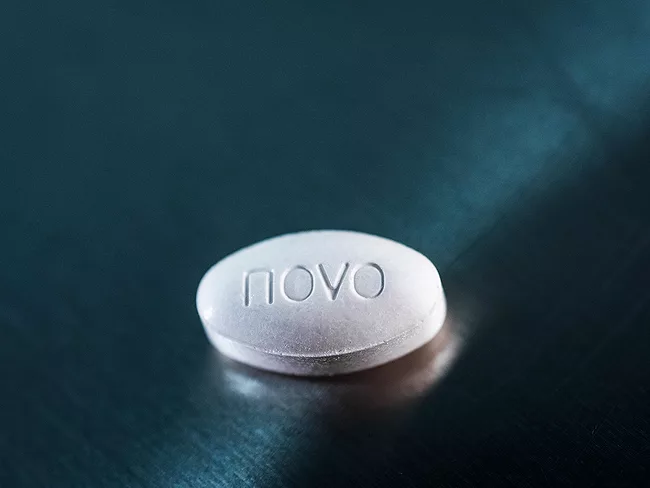
Novo Nordisk A/S’ wild card bet that its GLP-1 receptor agonist semaglutide could be used to treat Alzheimer’s disease has not paid off, with the company reporting two phase III trials have shown no effect on slowing disease progression.
Akeso Inc. has received clearance from China’s National Medical Products Administration (NMPA) to initiate clinical trials with AK-152 for Alzheimer’s disease.
Researchers from the Baylor College of Medicine have characterized 100 conserved Alzheimer’s disease (AD) risk orthologue genes in Drosophila and found several with unknown roles in brain structure, function and stress resilience. The implication of this finding is that new pathways of neurodegeneration have been revealed, offering new insights into the genetic complexity of AD.
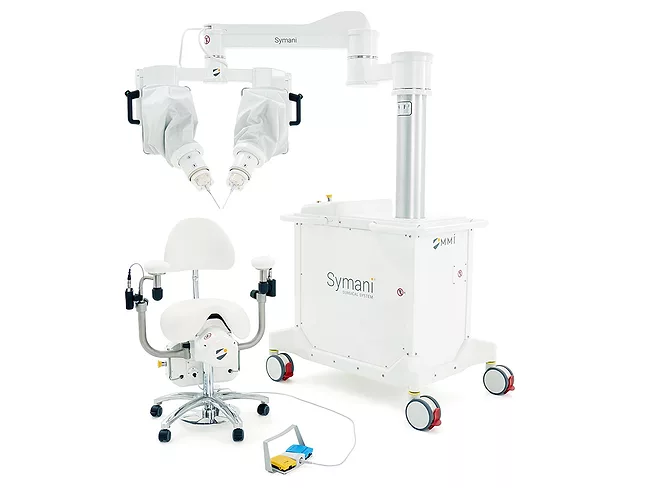
Medical Microinstruments Inc., reported the U.S. FDA approval of an investigational device exemption for a study using its Symani surgical system for treating Alzheimer’s disease, one of its earliest forays into the brain.