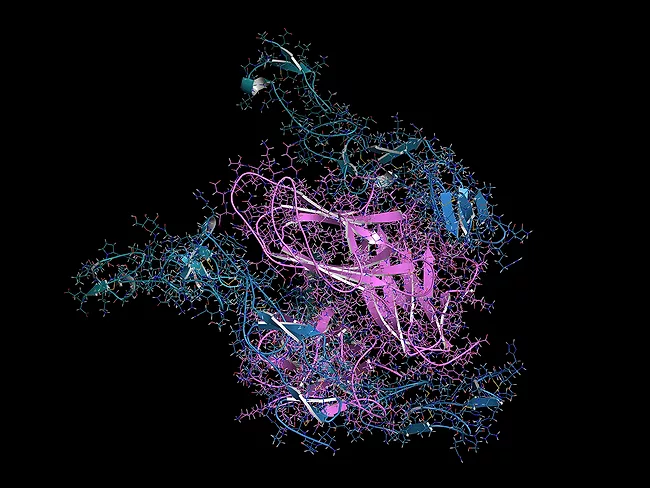
Interferon regulatory factor 5 (IRF5) is a transcription factor activated downstream of Toll-like receptors (TLRs) 7, 8 and 9, and is predominantly expressed in dendritic cells, B cells, monocytes and macrophages. Once considered an undruggable target, IRF5 is now recognized as a key regulator of innate immunity, driving the production of type I interferons, pro-inflammatory cytokines and autoantibodies.
Tickling Wall Street’s already strong interest in the mechanism of action was Aurinia Pharmaceuticals Inc., which June 30 made public positive results from the phase I single ascending-dose study with aritinercept (AUR-200), the company’s dual inhibitor of B cell-activating factor (BAFF) and a proliferation-inducing ligand (APRIL).
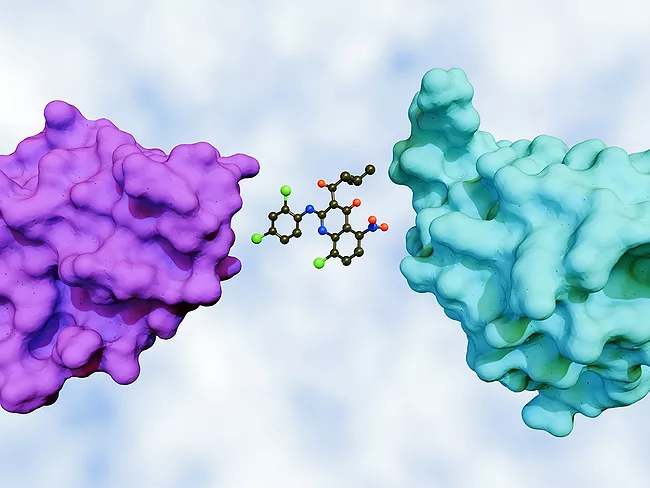
Degradation is a therapeutic strategy that could offer possibilities to get at currently undruggable target proteins. In targeted degradation, compounds induce interactions between a target protein and a protein that can tag the target for degradation. In principle, there are several pathways that could be used for such tagging; the most attention has gone to ubiquitin ligases, in particular cereblon, a protein that is part of a ubiquitin ligase complex and the target of several approved drugs.
Jasper Therapeutics Inc.’s otherwise upbeat data with subcutaneous briquilimab was hamstrung by apparent trouble with one lot of drug used in the phase Ib/II Beacon study in chronic spontaneous urticaria. Shares of the Redwood Calif.-based firm (NASDAQ:JSPR) closed July 7 at $3.04, down $3.73, or 55%.
The OX40/OX40L costimulatory pathway is crucial for effective T-cell activation and is inducibly expressed in response to immunological stimulation. Targeting OX40L has demonstrated safety and efficacy in preclinical studies using nonhuman primate models of kidney and heart transplantation.
Degradation is a therapeutic strategy that could offer possibilities to get at currently undruggable target proteins. In targeted degradation, compounds induce interactions between a target protein and a protein that can tag the target for degradation. In principle, there are several pathways that could be used for such tagging; the most attention has gone to ubiquitin ligases, in particular cereblon, a protein that is part of a ubiquitin ligase complex and the target of several approved drugs.
In subpoenaing a former Pfizer Inc. official to appear before the U.S. House Judiciary Committee July 22, Judiciary Chair Jim Jordan, R-Ohio, signaled legislative steps Congress may take in response to allegations that Pfizer slow-walked its COVID-19 vaccine development in 2020 so the trial results wouldn’t have to be disclosed until after the presidential election.
In subpoenaing a former Pfizer Inc. official to appear before the U.S. House Judiciary Committee July 22, Judiciary Chair Jim Jordan, R-Ohio, signaled legislative steps Congress may take in response to allegations that Pfizer slow-walked its COVID-19 vaccine development in 2020 so the trial results wouldn’t have to be disclosed until after the presidential election.
Unnatural Products Inc. notched another collaboration by signing on with Argenx SE in a multitarget research collaboration. Unnatural Products, which is getting up-front, near-term payments and R&D funding, could end up with about $1.5 billion in milestones and options payments plus tiered royalties on net sales.
Agonists of immune checkpoint modulators for treating autoimmune and inflammatory disorders have shown high potential in immunotherapy. P-selectin glycoprotein ligand 1 (PSGL-1) is known to exert immune checkpoint regulator functions in T cells aside from its classic role as an adhesion molecule involved in leukocyte trafficking.

 RSS
RSS