In a roadmap to change animal testing requirements for INDs, the U.S. FDA said its new approach will improve drug safety, hasten the evaluation process, and lower costs for companies and patients. It’s another step in a process of changing rules put in place decades ago.
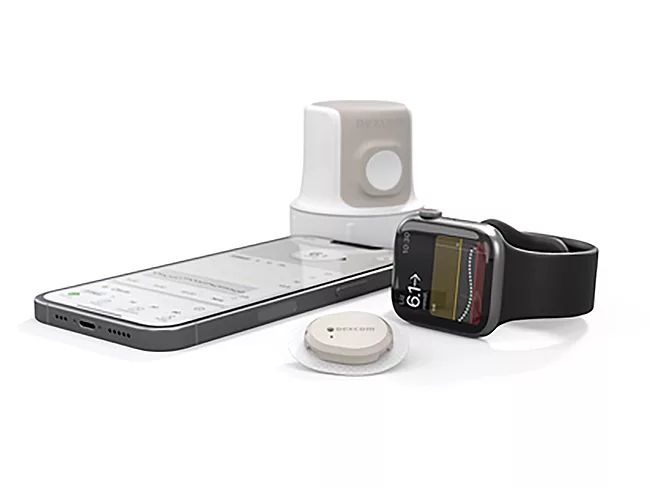
The battle to claim the continuous glucose monitor with the longest wear time continues with Dexcom Inc.’s G7 15 Day continuous glucose monitor gaining U.S. FDA clearance on April 10 for adults with diabetes. The company said it now takes the lead with the 15-day duration, but Abbott Laboratories also offers 15 days of useful life for its Freestyle Libre 3 plus.
Cardiovia Ltd.' Viaone epicardial access system received U.S. FDA clearance for treating cardiac arrhythmias. The device provides clinicians with a safe and minimally invasive technology to reach the heart’s outer surface, known as the pericardial space, without the need for a sharp needle, which can cause perforation.
Two days after pharma companies sounded an alarm that their investments were headed out of Europe, Novartis AG has announced plans to increase investment in the U.S. by $23 billion, bringing the total it invests over the next five years to nearly $50 billion.
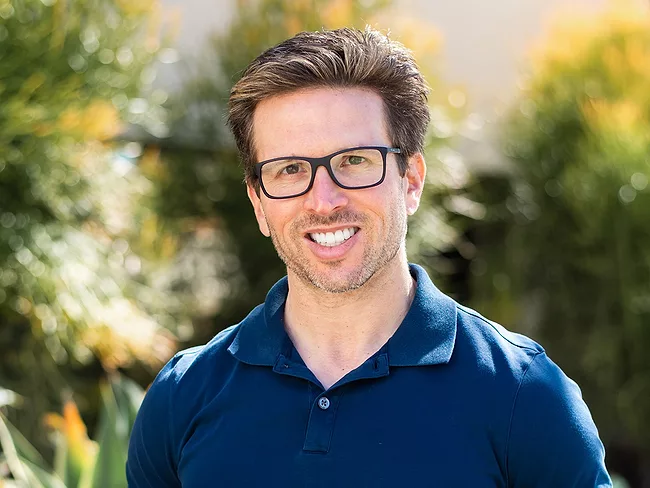
With a promising IL-36 inhibitor for atopic dermatitis (AD, or eczema) at the phase II stage, Turn Therapeutics Inc. has gained $75 million in post-public commitments and meanwhile is pursuing a grassroots strategy to keep the coffers in balance.
In a roadmap to change animal testing requirements for INDs, the U.S. FDA said its new approach will improve drug safety, hasten the evaluation process, and lower costs for companies and patients. It’s another step in a process of changing rules put in place decades ago.
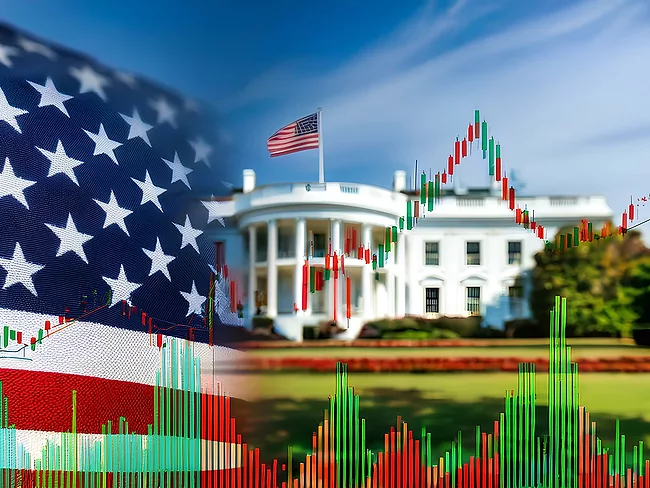
The Trump administration applied a 90-day hold on nation-specific tariffs, but a group of 26 House Democrats urged the administration to think carefully before acting on a threat to impose tariffs on pharmaceuticals.
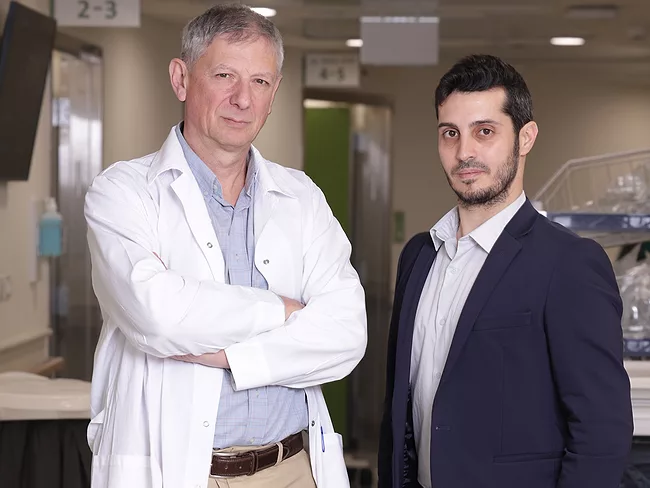
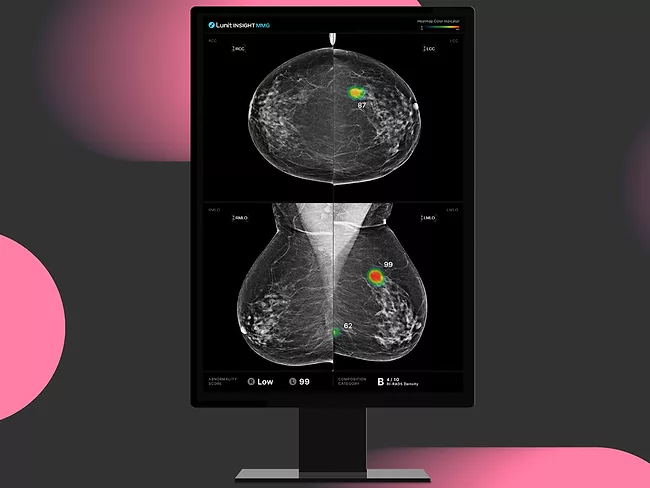
AI could significantly improve the value of patient recalls following mammography, but so far radiologists seem reluctant to rely on computer-aided readings. Radiologists tend to trust their own judgment – and that of their colleagues – in mammogram readings far more than AI-based diagnostics, even when the AI is much more accurate, a prospective trial analysis published in Radiology by Karolinska Institutet researchers found.
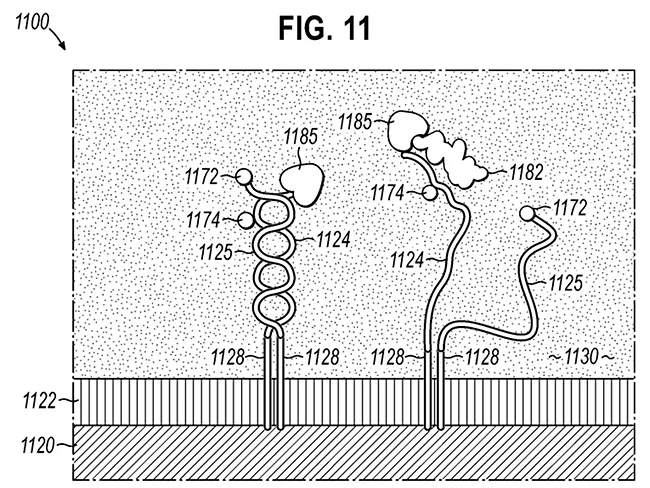
Researchers from the University of Cincinnati filed for protection of an electrochemical aptamer-based biosensor technology with improved sensitivity and longevity, which has the potential for monitoring several biomarkers over sustained periods.
The U.K. government is to invest £500 million (US$645 million) in a health data research service that will provide a single point of access to national-scale anonymized patient records, ending the need to navigate different systems or make multiple applications to use information.
 RSS
RSS