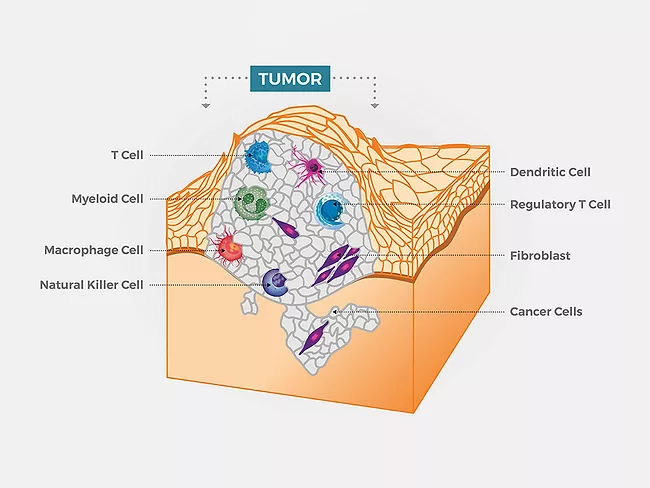
Mesotheliomas are highly aggressive cancers with short overall survival, which can be extended only by a few months with currently approved therapies. Around 60%-70% of malignant mesotheliomas present mutated or deleted BAP1 tumor suppressor. BAP1 is a catalytic subunit of the polycomb repressive deubiquitinating (PR-DUB) complex, and its loss results in epigenetic alterations.
Sonnet Biotherapeutics Holdings Inc. has completed two IND-enabling toxicology studies in nonhuman primates (NHPs) using its lead bifunctional therapeutic candidate, SON-1210.
Researchers from Zhongnan Hospital of Wuhan University reported data from a study that aimed to evaluate the therapeutic efficiency of organic arsenic compounds for the treatment of osteosarcoma.
Recurv Pharma Inc. is set to receive investment of up to $24 million from TVM Capital Life Science GmbH to support development up to phase IIa proof of concept of RP-001 to treat solid tumors.
Scientists from Sichuan University and affiliated organizations have discovered a new signal transducer and activator of transcription 3 (STAT3) inhibitor, being developed as a potential therapeutic candidate against idiopathic pulmonary fibrosis (IPF).
New understanding of how prostate cancer adapts to the stress of androgen receptor targeted drugs and becomes castrate-resistant, points to a lesser-studied family of lipid kinases as playing a pivotal role in this process. The findings indicate that specific inhibition of one isoform of these phosphatidylinositol-5-phosphate-4-kinases (PI5P4K) could provide a route to prevent cancer cells altering their metabolism and becoming resistant to androgen deprivation.
Researchers at Indiana University School of Medicine are exploring avenues to heal wounds by identifying proteins that are active in fetuses, but largely inactive in adults and absent in diabetic adults. They have identified a protein called nonselenocysteine-containing phospholipid hydroperoxide glutathione peroxidase, or NPGPx, that fits the bill and could be the basis for therapies aimed at diabetic wound healing. NPGPx is a direct transcriptional target of miR-29. miR-29 is downregulated in fetal tissue, thus NPGPx is active in fetal tissue but becomes mostly inactive in the skin after birth.
Cells that break away from a tumor and colonize other regions of the body express genes that are different from those of the cancer from which they originate. Now, a Baylor College of Medicine study has found that metastases can be classified into four cancer subtypes regardless of the primary cancer. This finding describes which genes are active in each one, making it possible to establish the most appropriate treatments for each patient according to the subtype of metastasis they have developed.
Ymmunobio AG has secured ownership of neuronal pentraxin receptor (NPTXR) antibodies after the company signed a transfer ownership agreement with Nagoya University for a license to NPTXR antibodies.
Coeptis Therapeutics Holdings Inc. has entered into a sponsored research agreement with the University of Pittsburgh to advance preclinical development of SNAP-CAR T cells targeting HER2, and to explore opportunities to expand the applicability of SNAP-CAR in oncology.
 RSS
RSS