A new mouse model of an inherited form of dystonia has shown the spinal cord is the driver of the condition, overturning previous understanding that the movement disorder is caused by disruption of neural circuits in the brain. The connection was demonstrated by selectively deleting torsin family 1 member A (TOR1A), the gene that causes dystonia, in the neurons of the spinal cord only.
A method for parallel sequencing of single-cell extrachromosomal circular DNA (ecDNA) and full-length mRNA transcriptomes has enabled new insights into the roles of ecDNA in cancer progression, researchers from Charité hospital and the Max Delbrück Center for Molecular Medicine reported in Nature Genetics on May 8, 2023. Circular DNAs are present in at least a third of cancer cells, and their presence correlates with poor prognosis in many cases. They can carry driver genes that have separated themselves from their chromosome of origin, and some research suggests that they serve as “reserve copies” of driver genes. Boundless Bio Inc. is in phase I trials targeting ecDNAs.
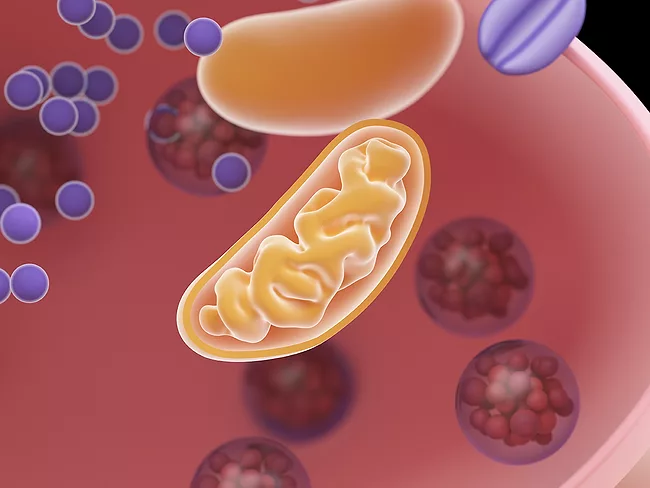
RNA editing in schizophrenia (SCZ)-associated genes was decreased in postmortem brains of individuals of European descent, according to a study from the University of California, Los Angeles (UCLA). The scientists obtained the RNA editome from SCZ brains to detect the sequence changes in their RNA and observed hypoediting in noncoding regions related to mitochondrial function, such as the mitofusin-1 (MFN1) gene.
A research team based at MIT and Harvard has engineered a bacterial injection system to precisely deliver proteins to human cells. This work, published online March 29, 2023, in Nature, is important as while more and more molecular therapies are being developed, off-target effects are always a concern and precise targeting of cells and tissues can still be a challenge.
Scientists at the University of Virginia have discovered an anti-aging mechanism mediated by an enzyme that metabolizes alcohol. Alcohol dehydrogenase, which in Caenorhabditis elegans and yeast replaces the rejuvenating effect of autophagy, would reduce age-associated glycerol levels, also promoting longevity in mice and humans.
Anthony Fauci has retired from his position as director of the National Institute of Allergy and Infectious Diseases (NIAID) and as chief medical advisor to the U.S. president. But Fauci, who has advised every president since Ronald Reagan, continues to share his encyclopedic knowledge with the HIV research community, as he has since the beginning of the HIV pandemic. Fauci co-founded the first National Conference on Human Retroviruses and related infections in 1993. At the Opening Session of the 30th edition of the Conference on Retroviruses and Opportunistic Infections (CROI), he highlighted the advances that have collectively extended the life expectancy of newly diagnosed patients by decades.
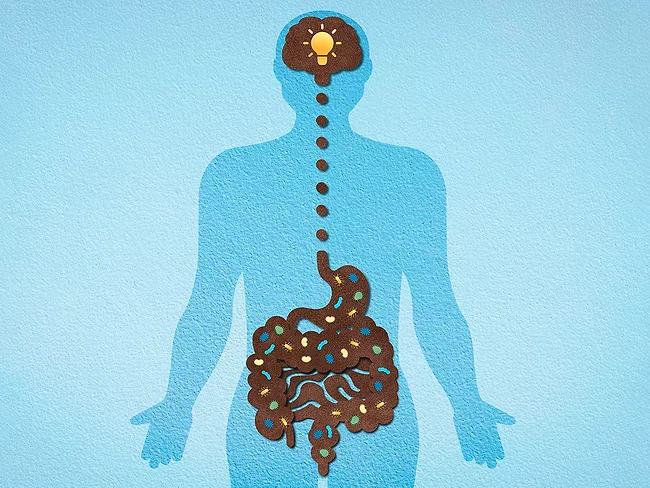
A study in a mouse model of tau protein build-up in the brain, similar to that seen in later stage Alzheimer’s disease (AD), shows that changes to the microbiome in these animals can impact the degree and progression of neurodegeneration observed. As reported in the Jan. 12, 2023, study published in Science, the researchers found that mice that were germ free and those given antibiotics to change their gut microbiome early in life had significant reductions in brain atrophy compared with those with a standard microbiome.
The positively charged nanoparticle polyamidoamine generation 3 (P-G3) can be specifically targeted to either visceral or subcutaneous fat, and affects both types of fat in different ways, researchers from Columbia University reported in two papers recently published. The studies, published online in Nature Nanotechnology on Dec. 1, 2022, and in Biomaterials on Nov. 28, 2022, are both “a conceptual advance” and “quite amenable to translation,” co-corresponding author Kam Leong told BioWorld.
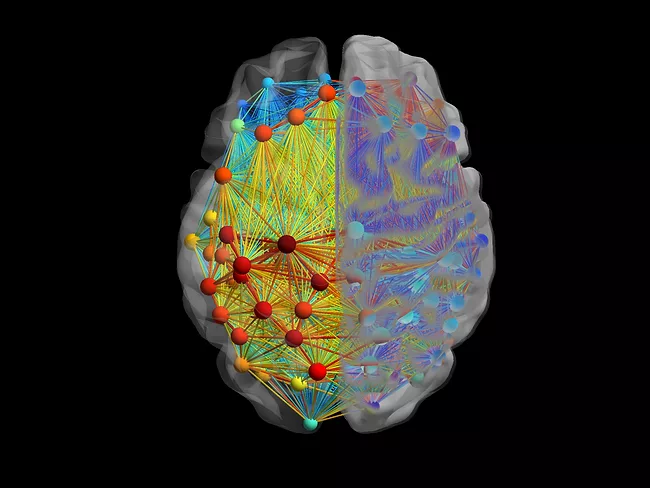
Researchers have identified a link between amyloid plaques and dysfunctional neuronal conduction in animal models of Alzheimer’s disease (AD). Their study, which was published in the Dec. 1, 2022, issue of Nature, suggests new ways to think about AD, as well as badly needed potential alternatives to plaque removal to fight the disease.
A computational platform that used single-cell RNA sequencing (scRNA-seq) data could quickly predict the best chemical compounds to use to convert cells from one type into another for use in research or cell therapies. The work, published in the Nov. 17, 2022, issue of Stem Cell Reports, was a collaboration between the lab of Hongkui Deng, a professor and director of the Key Laboratory of Cell Proliferation and Differentiation at Peking University in Beijing, and the lab of Antonio del Sol, a professor at the Luxembourg Centre for Systems Biomedicine at the University of Luxembourg.
 RSS
RSS