At a recent meeting on “Research priorities for preventing and treating Alzheimer’s disease and related dementias” (ADRD), convened by the National Academies, one consensus priority on ADRD research was that there needs to be more of it at every stage. Several speakers presented stark numbers on the relative volume of research in cancer and neurodegeneration. Research output, measured in peer-reviewed papers, for dementia is estimated to be around 10,000 papers annually, compared to 150,000 for cancer, while AD clinical trials are also few and far between compared to cancer trials. This final installment of BioWorld’s series on Alzheimer’s explores some of the reasons for this discrepancy along with the latest advances and ongoing efforts to accelerate research and drug development in the field.
Scientists from the Australian National University have discovered the gene mutation responsible for causing psoriasis, and the findings could lead to improved diagnosis and treatment for patients with psoriasis and psoriatic arthritis, a chronic inflammatory skin disease. “We were able to identify the gene that could be important in enabling this progression from a skin-only condition to a skin-and-joint condition,” lead study author Chelisa Cardinez told BioWorld.
A metabolite that suppresses appetite and food intake after exercise could be the reason for the weight loss observed in patients treated with metformin to control blood glucose. A study conducted by a group of scientists at Stanford University showed how this antidiabetic drug induced the biosynthesis of N-lactoyl-phenylalanine (Lac-Phe), which has an effect reducing the body mass index.
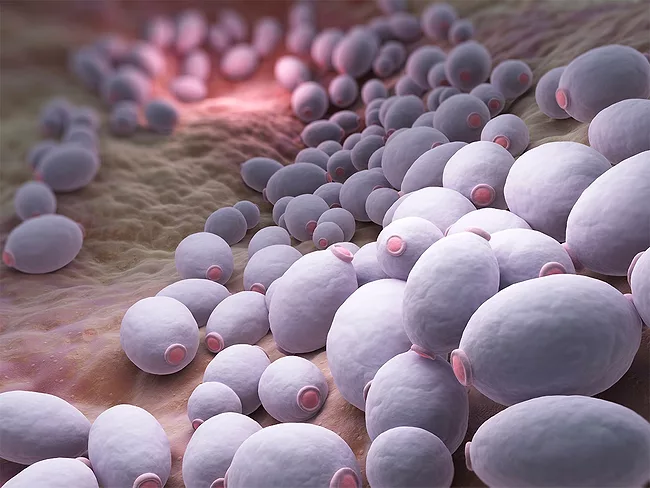
Scientists at the Weizmann Institute of Science in Israel announced the discovery of the new intestinal microbiota species Kazachstania weizmannii in mice, which competed with and limited the growth of Candida albicans, thus preventing candidiasis. Both microorganisms belong to the Saccharomycetaceae family and reside in humans, maintaining a complex interaction with therapeutic value.
Since its founding by the National Institutes of Health (NIH), the scientists of the All of Us Research Program have set the goal to analyze the largest diversity of the genomic population in the country and end the under-representation of its different groups. The project has expanded the vision of several pathologies, discovered thousands of new genetic variants, redefined the risk genes for common diseases, and stratified them, uncovering eight different forms in the case of type 2 diabetes (T2D). Their results create a pathway for a new age of precision medicine.
Vision Care Group CEO Masayo Takahashi led the world's first clinical study of a retinal cell transplant derived from induced pluripotent stem cells (iPS cells) in 2014 when she led the Laboratory for Retinal Regeneration at Japan’s Riken Center for Biosystems Dynamics Research. In 2019, she founded Vision Care and subsequently founded two subsidiary companies dedicated to developing cell and gene therapies.
Biopsies from up to 14% of patients with non-small-cell lung cancer (NSCLC) showing resistance to epidermal growth factor receptor (EGFR) tyrosine kinase therapy ascertain histologic transformation (HT) to SCLC, which is estimated to kill around 250,000 patients globally, every year. In a study published in Science on Feb. 9, 2024, researchers from Weill Cornell Medicine have dissected that complex process using a genetically engineered mouse model of pulmonary HT.
Researchers from the Institute for Bioengineering of Catalonia (IBEC) and collaborators have successfully treated bladder tumors in mice using urease-powered nanobots. The testing consisted of the administration of 18F-nanorobots to tumor-bearing mice divided into four groups depending on tumor volumes using a group of non-tumor-bearing mice as control. Importantly, the therapy remained in the bladder with only a very small proportion of radioactivity seen in other organs. The results were published in Nature Nanotechnology on Jan. 15, 2024.
Researchers at ETH Zurich have identified a proteomic signature that could recognize long COVID six months after acute infection. Biologically, the signature indicated that the complement system remained active in patients with long COVID six months after infection. Translationally, it could lead to a diagnostic test for long COVID, and suggests that targeting the complement system could be a therapeutic approach to prevent or treat the disorder.
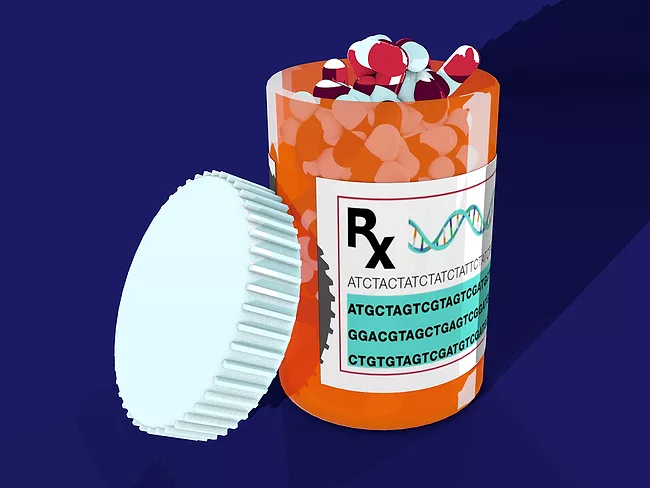
A landmark, real-world study in the U.K. has demonstrated that combining whole genome sequencing with clinical data enabled tailored cancer treatment and improved outcomes. At one health care center, having DNA sequence data led to changes from usual standard of care in 25% of cases. “Mostly, [patients] got into clinical trials; some got medicines they wouldn’t have got. Others avoided medicines because their genetic make-up suggested that if they were exposed to the medicines, they would be at risk of harm,” said Mark Caulfield, professor of clinical pharmacology at Queen Mary University of London, who is co-author of a paper outlining the findings in Nature Medicine, Jan 11, 2024.

 RSS
RSS