With the first company in the world announcing more than $1 billion in annual revenue from pulsed field ablation on Feb. 5, Clarivate plc and BioWorld MedTech’s latest report provides well-timed insight into the stunning growth and bright future of this new medical technology for the treatment of atrial fibrillation.
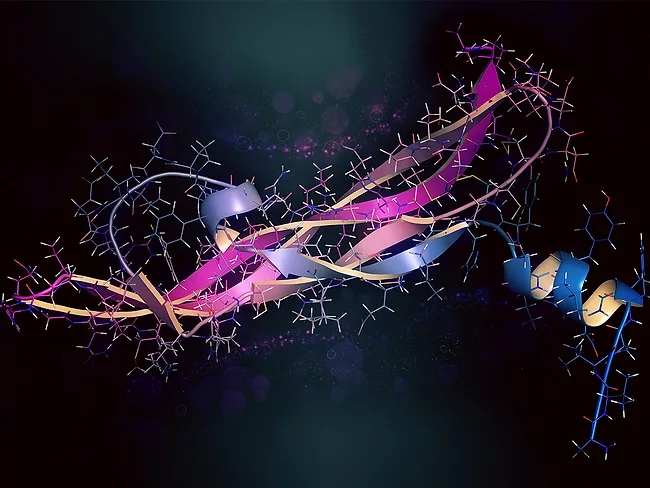
Following Nobel Prize-winning chemist David Baker’s recipe for cooking an antidote to cobra venom using artificial intelligence (AI) could be faster and more effective than currently available methods. The ingredients and steps can be found in a new study published by the University of Washington (UW) scientist in collaboration with the Technical University of Denmark. They are ready for the next steps in preclinical trials.
According to the World Health Organization (WHO), multidrug-resistant pathogens caused over 1.27 million deaths worldwide in 2020. And figures are rising, with projections pointing to antimicrobial resistance surpassing cancer as the leading cause of death by 2050. Now, researchers at the HUN-REN Biological Research Center have unveiled the role of pre-existing genetic variabilities and specific cross-resistance patterns among several antibiotics designed to combat gram-positive bacteria.
2024 saw the completion of several cellular-resolution brain maps, including the entire fly brain and a comprehensive connections map of a cubic centimeter of human brain. 2025 began with the addition of another important map. In the Jan. 1, 2025, issue of Nature, researchers from the Allen Institute presented a map of areas and cell types where aging most affected the mouse brain.
Researchers at the University of Leipzig and ETH Zurich have used single-cell sequencing to identify differences between fat tissue of obese individuals who are metabolically unhealthy, and those who were in good metabolic health. The findings, which were published online Dec. 17, 2024, in Cell Metabolism, identify measurements that can be used to decouple obesity from metabolic disease.
A gene therapy based on an enhanced lipid nanoparticle (LNP) loaded with vascular endothelial growth factor (VEGF) mRNA could be developed for the treatment of preeclampsia, according to a study in mice in which it alleviated maternal hypertension until the end of gestation and improved fetal health. Preeclampsia is a disease that affects 3% to 5% of pregnant women, who suffer from hypertension and proteinuria, elevated levels of protein in the urine, during pregnancy.
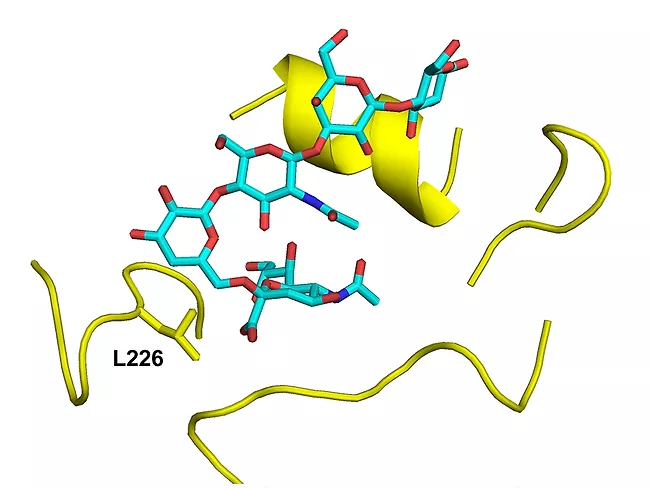
Although it does not generally infect humans, a single mutation of the H5N1 virus in the highly pathogenic avian and bovine clade 2.3.4.4b could overcome this barrier and possibly trigger a pandemic. Scientists at The Scripps Research Institute have warned of this possibility after studying the three-dimensional structure of the viral hemagglutinin and seeing how a change in one amino acid would make it more suitable for the human cell receptor. The researchers stress the need to monitor new mutations of this virus in order to act quickly in case the global jump to our species occurs.
A U.K. study has uncovered distinctive genetic drivers of type 2 diabetes in South Asians that lead to faster development of complications, the need for earlier insulin replacement therapy and a weaker response to some widely prescribed drugs. That points to the need to refine care pathways. But in addition, the research provides a potent illustration of how the under-representation in genomics databases of people who are not of white European origin can skew results and be a source of discrimination.
Researchers at the University of Rochester have described a neuroimaging-based biomarker that could identify individuals with early psychosis, and improved their identification when it was added to a standard neurocognitive diagnostic test. In a group of roughly 160 participants in the Human Connectome Early Psychosis Project, individuals who were in the early stages of psychosis had stronger connections from the thalamus (a midbrain sensory processing area) to the cortex, but weaker connections between different cortical areas, than controls.
Fat cells from patients who had lost weight after bariatric surgery, as well as from animals who had gained and then lost weight, were transcriptionally distinct from cells that had not experienced such weight changes at the organism level. In the animal studies, those transcriptional changes were due to epigenetic changes. The findings, which were published online in Nature on Nov. 18, 2024, are a possible molecular-level explanation for the short-term nature of most weight loss.
 RSS
RSS