New research has filled in missing links between gene variants that have been implicated in disease through genome-wide association studies and how the variants drive disease pathology. The research involved using induced pluripotent stem cells derived from healthy donors and transforming them into macrophages. These were then exposed to 24 different stimuli mimicking infection and inflammation, and the gene expression profiles assessed six and 24 hours later, to see which genes were turned on or off in response.
Despite having lower smoking habits than other groups in the U.S., Black Americans are more likely to develop lung cancer, and their survival rates are significantly worse. What explains this disparity? Scientists at Vanderbilt University Medical Center have analyzed the genetics of their African ancestry in search of risk genes related to the disease and tobacco use. The results reveal new risk factors and confirm the presence of genetic variants that may contribute to the greater impact of lung cancer in this population.
Colorectal cancer is among the most common malignant tumor types and the second leading cause of tumor-related deaths worldwide. Tumor necrosis factor α-induced protein 8-like protein 2 (TIPE2) is a protein member of the TIPE family and highly expressed in immune cells. The prognostic impact and the relationship with tumor immunity of TIPE2 plus other immune markers such as CD8, CD20 and CD66b were evaluated in colorectal cancer by researchers from First Affiliated Hospital of Anhui Medical University and collaborators.
The largest genome-wide association study to date of myalgic encephalomyelitis/chronic fatigue syndrome has identified eight genetic loci that are significantly associated with the chronic debilitating condition. Onset of ME/CFS often is traced back to an infection and four of the loci involve genes that are expressed in response to viral or bacterial infections.
Thoracic aortic dissection can progress to a highly lethal cardiac emergency, but it cannot usually be detected in early stages, so suitable biomarkers of progression are needed. Levels of C-reactive protein in serum rise during progression, but they also rise in infectious or autoimmune conditions, making the biomarker nonspecific.
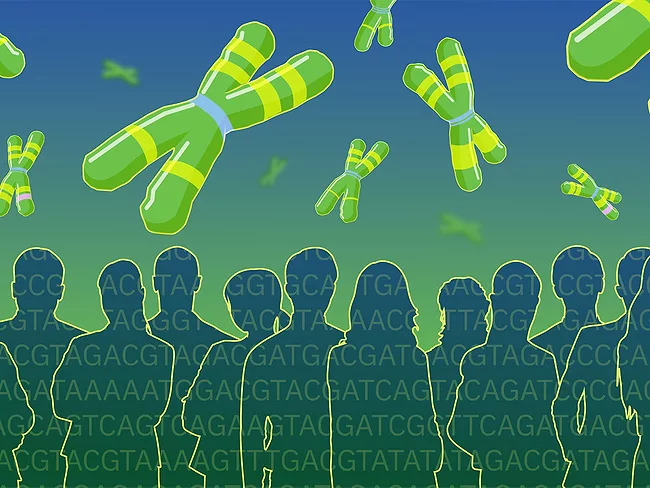
The human genome has yielded another round of secrets with the publication of two back-to-back papers in Nature on July 23, 2025. Both studies re-sequenced probands from the open-access 1000 Genomes Project, which was one of the first projects to sequence individuals from diverse populations.
After a 10-year project and a £60 million (US$80 million) investment, the UK Biobank has completed the whole body scans of 100,000 volunteers and is making the 1 billion images available for researchers worldwide.
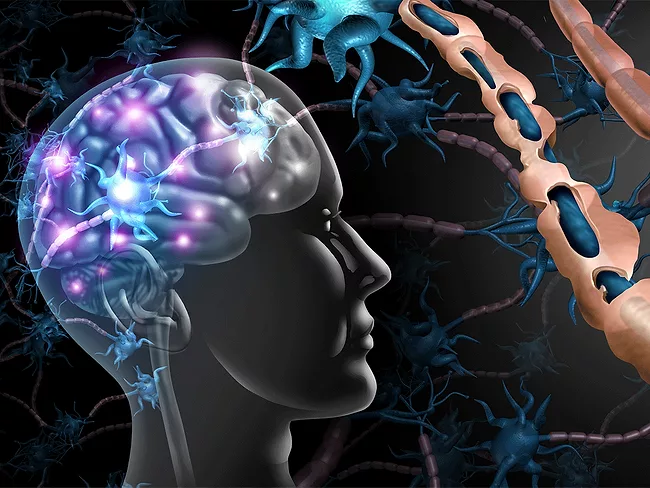
The switch will be flicked today to make the world’s largest dementia-related proteomics dataset freely available to researchers, at the same time as members of the consortium which compiled it publish the proteomics signatures of major neurodegenerative diseases that they uncovered in a first trawl of the data.
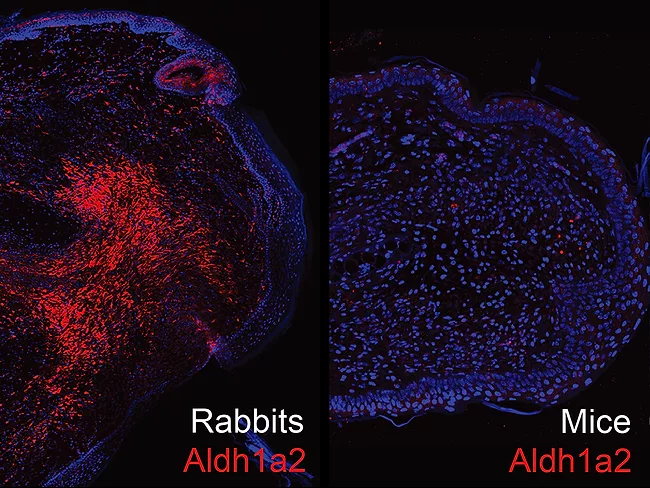
Lizards, zebrafish, salamanders and tritons can regrow a tail, a fin, or even an entire limb after amputation. Cut a planarian into pieces, and you will end up with a bunch of them.
In recognition of the fact that diversity, equity and inclusion are necessary prerequisites for precision medicine, the European Academy of Neurology announced the launch of a DEI Hub at its 11th Congress, which is being held in Helsinki through June 24.
 RSS
RSS