In recognition of the fact that diversity, equity and inclusion are necessary prerequisites for precision medicine, the European Academy of Neurology announced the launch of a DEI Hub at its 11th Congress, which is being held in Helsinki through June 24.
At the Annual Congress of the European Association for Cancer Research (EACR) in Lisbon, multiple sessions aimed to provide fresh perspectives on the always challenging treatment of cancer, with a strong focus on innovative strategies.
BioWorld covers the Trump administration’s latest policy decisions and actions affecting the life sciences sector, as well as their impacts across the globe.
Researchers have identified KpsM as a virulence factor in Escherichia coli that was responsible for liver damage in alcohol-associated hepatitis (AH). A small-molecule inhibitor of KpsM reduced liver damage in animal models of AH.
A collaboration of scientists from the NIH Brain Initiative consortium has published eight simultaneous studies in Neuron, Cell, Cell Genomics, Cell Reports and Cell Reports Methods, with the results of the Armamentarium project, a new set of gene therapy tools for the research and treatment of human brain disorders. The methodology, based on genetic techniques, RNA detection, genomic enhancers and viral vectors, is designed to access different CNS cell types, neuronal and non-neuronal cells, with common and reproducible protocols now available for any laboratory.
The first 100 days of the Trump administration have been nothing short of chaotic, both in the U.S. and throughout the world. Shining a light through the uncertainty, BioWorld continues to cover the administration’s latest policy decisions and actions affecting the life sciences sector, as well as their impacts across the globe. It’s all right here at Trump administration impacts.
Genes associated with lysosomal dysfunction increase the risk of Parkinson’s disease (PD), according to a study led by scientists at Northwestern University. The discovery also explains why some people who carry a pathogenic variant of the GBA1 gene develop PD or dementia with Lewy bodies (DLB) and others do not. The key lies in the Commander complex, involved in the transport of proteins to this organelle. This discovery raises the need for combinatorial therapies that act on more than one pathway for this type of neurodegenerative disorder.
In a roadmap to change animal testing requirements for INDs, the U.S. FDA said its new approach will improve drug safety, hasten the evaluation process, and lower costs for companies and patients. It’s another step in a process of changing rules put in place decades ago.
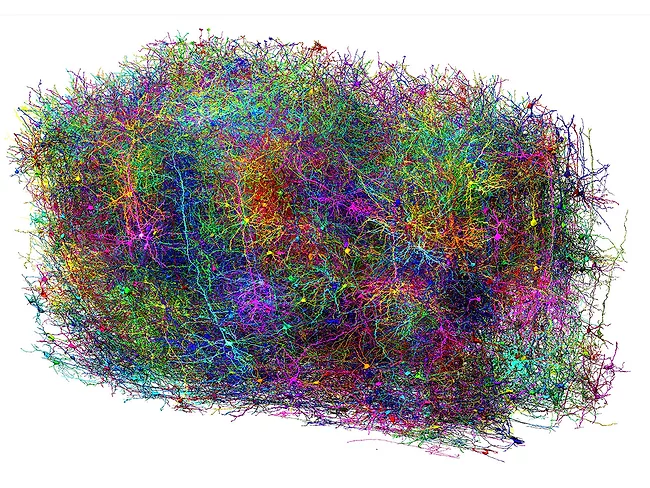
Scientists from the Machine Intelligence from Cortical Networks (MICRONS) consortium have published the microconnectome of a cubic millimeter of the mouse brain. This is the most complete map of this organ to date at nanometer resolution for a mammal. It not only contains the structure and connections of each and every cell in that volume of tissue, but is also linked to the neuronal activity of that portion of the CNS, linking anatomy and function in the same cells.
Compared to other forms of prevention, a unique issue for pandemic preparedness is that it is forever unclear what pathogen, exactly, the world needs to be prepared for. There are an estimated 300,000 viruses that infect mammals; add in birds, and the estimate grows to more than half a million. Some of those viruses are much greater threats than others.
 RSS
RSS