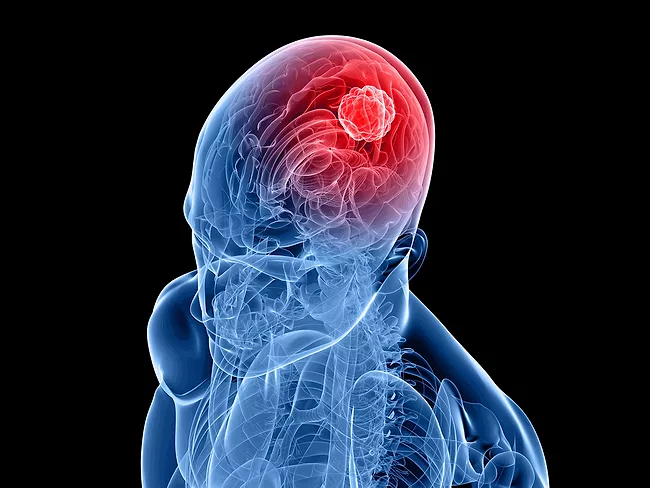
Currently, cancer therapy trial-and-error methodology is inefficient and unsustainable. Oncology is the worst therapeutic area for drug trial success; only 3.4% of drugs that enter phase I end up being FDA approved, and 57% fail due to poor drug efficacy in trials. Building tools that may aid in predicting an individual’s response to a specific therapy may help in reducing costs, guesswork, and importantly improve the outcome of patients and accelerate new drug development.
Scientists from different laboratories around the world have presented the latest advances in research into malignant brain tumors at the 31st Annual Congress of the European Society of Gene and Cell Therapy (ESGCT), which is being held Oct. 22 to 25 in Rome.
During an Innovation Ignited webinar sponsored by Johnson & Johnson, experts talked about how precision medicine has helped advance the field of oncology and how those lessons can be applied to immunology. Advancements in precision medicine have helped oncologists know which drugs are most likely to help patients as their tumors advance and mutate.
David Baker, Demis Hassabis and John Jumper share the 2024 Nobel Prize in Chemistry for their contributions to the science of protein structure. David Baker was awarded half the prize “for computational protein design,” according to the Royal Swedish Academy of Sciences. Hassabis and Jumper shared the other half “for protein structure prediction.”
Breast cancer cells, when disseminated to other secondary organs such as the lungs, may stay in a dormant state for years, even decades. But the mechanisms that limit their expansion are not well understood. This is what researchers call a dormant mesenchymal-like phenotype (M-like) before metastasis to the lungs. Now, scientists have shown in a study published Oct. 7, 2024, in Cell, that the limiting of disseminated breast cancer cells (DCCs) to metastasize in the lungs is due to alveolar macrophages (AMs), which activate signals that make DCCs stay dormant.
David Baker, Demis Hassabis and John Jumper share the 2024 Nobel Prize in Chemistry for their contributions to the science of protein structure. David Baker was awarded half the prize “for computational protein design,” according to the Royal Swedish Academy of Sciences. Hassabis and Jumper shared the other half “for protein structure prediction.”
David Baker, Demis Hassabis and John Jumper share the 2024 Nobel Prize in Chemistry for their contributions to the science of protein structure. David Baker was awarded half the prize “for computational protein design,” according to the Royal Swedish Academy of Sciences. Hassabis and Jumper shared the other half “for protein structure prediction.”
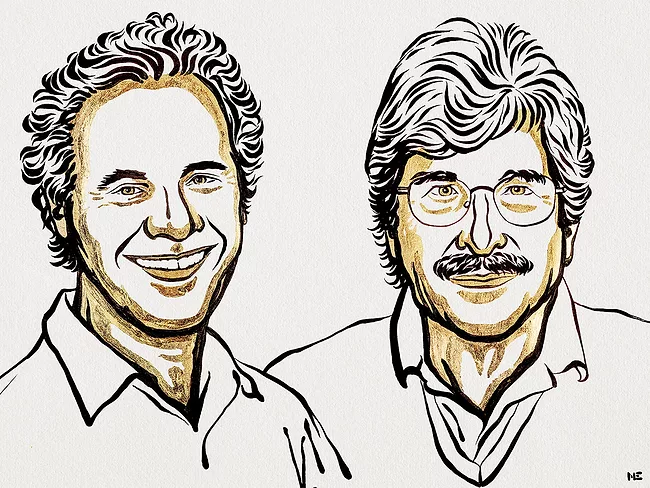
Research into the regulation of gene expression experienced a significant breakthrough with the discovery of microRNA, small RNA molecules that do not code for proteins but control their translation. This finding has earned its authors Victor Ambros and Gary Ruvkun the 2024 Nobel Prize in Physiology or Medicine.
Research into the regulation of gene expression experienced a significant breakthrough with the discovery of microRNA, small RNA molecules that do not code for proteins but control their translation. This finding has earned its discoverers – Victor Ambros and Gary Ruvkun – the 2024 Nobel Prize in Physiology or Medicine “for the discovery of microRNA and its role in post-transcriptional gene regulation.”
The E4 variant of the APO gene, the R47H variant of the TREM2 gene, and female sex are three of the strongest risk factors for the development of Alzheimer’s disease (AD). By combining all three of them in a mouse model of tauopathy, researchers at Weill Cornell Medical School have identified microglial inflammation and senescence as processes that occurred more strongly in female mice as tauopathy developed.
 RSS
RSS