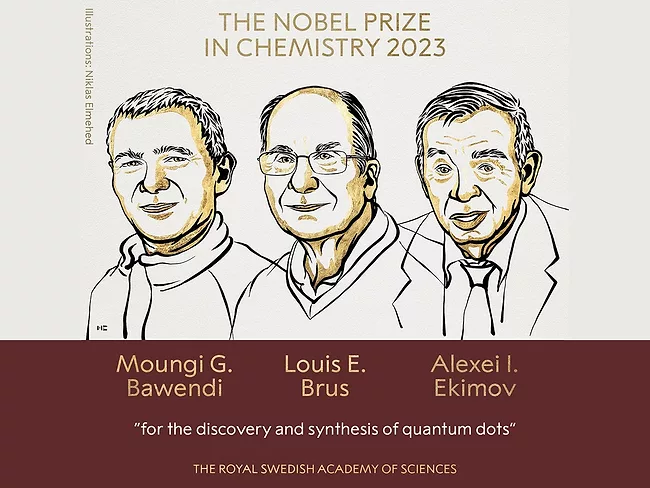
Quantum dots, a phenomenon in quantum physics that alters the energy of electrons and changes the properties of particles, caught the attention of the Royal Swedish Academy of Sciences (KVA) for the 2023 Nobel Prize in Chemistry. Alexei Ekimov and Louis Brus received the award for their discovery; Moungi Bawendi, for developing its applications. With their work, “in equal shares,” said the Secretary General of KVA Hans Ellegren, the three scientists have laid the foundations of nanotechnology, a tool that we see today in our homes, on televisions and LED lamps, or in laboratories and hospitals for designing new drugs or new strategies against cancer.
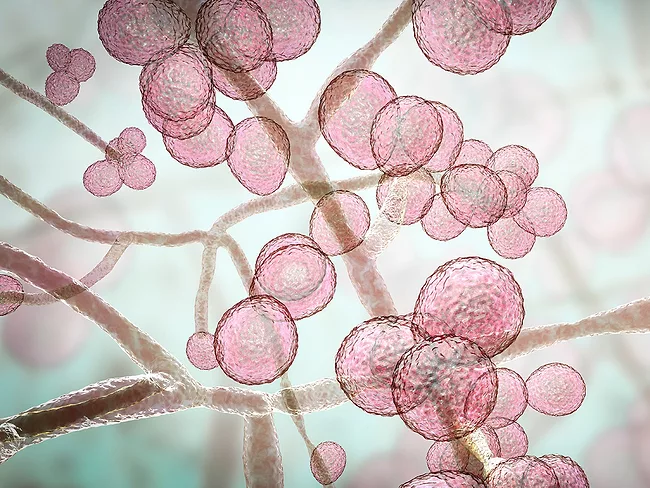
The fungus Candida auris has become an urgent clinical problem at a shocking speed. It was not even mentioned in the U.S. CDC’s 2013 reports on antimicrobial threats, but was one of five pathogens on the agency’s 2019 top-tier Urgent Threat List.
A new gene editing method uses the CRISPR technique to modify the cells of an organ in vivo, creating a mosaic used to identify the effects of each altered gene. Scientists from the Swiss Federal Institute of Technology (ETH) in Zürich developed this technology called AAV-Perturb-seq, based on adeno-associated virus (AAV) to target, edit and analyze single-cell genetic perturbations.
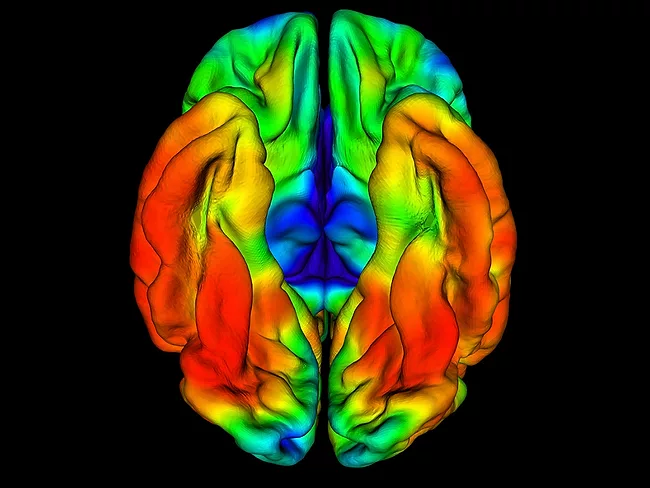
Investigators have functionally linked the Alzheimer’s disease (AD) risk gene SORL1 to apolipoprotein E (ApoE) and clusterin, another apolipoprotein. The work, Tracy Young-Pearse told BioWorld, is part of an attempt to “try to understand different subtypes of Alzheimer’s disease.” It maps some of what Young-Pearse termed the “many molecular roads that lead to Alzheimer’s” – which, in turn, is the first step to setting up roadblocks. Young-Pearse is an associate professor in the Ann Romney Center for Neurologic Diseases at Brigham and Women’s Hospital and Harvard Medical School and co-leader of the Harvard Stem Cell Institute’s Nervous System Diseases Program. She is also the senior author of the paper describing the findings, which appeared online in Cell Reports on Aug. 22, 2023.
Researchers from the Institute of Translational Genomics at Helmholtz Munich have described a genetic overlap between type 2 diabetes (T2D), a disease that is also associated with obesity, and osteoarthritis, a degeneration of the joints that worsens with age and coincides in the factor risk of being overweight. The researchers used genetic data, multiomics and functional analysis of the tissues T2D and osteoarthritis express to identify which genes were associated and correlated with both diseases. They published their results on July 10, 2023, in The American Journal of Human Genetics.
Artificial intelligence (AI) continues to entice. On the exhibition floor at the 2023 Congress of the European Academy of Neurology, one company’s booth featured “Mindart” technology. A passersby could answer a short series of prompts, and get a unique image based on the input made by generative AI. Entertainment aside, medically speaking, AI applications “are still research,” Riccardo Soffietti told his audience at one of several sessions devoted to AI. “But obviously, research is the future.”
Another brick in the ambitious Human Cell Atlas initiative has been put into place with the publication of the largest and most comprehensive cell map of the human lung. The open and freely available atlas catalogs the diversity of cells in the lung, including rare and previously undescribed cell types.
One of the challenges in designing genetic and cellular strategies is getting the therapy to the right place. This is even more complicated when it comes to the nervous system. The brain is a complex organ that contains the most differentiated and inaccessible cells in human biology. It is an impassable safe, protected by the blood-brain barrier.
Implanting brain organoids into the brains of mice may allow the more realistic study of microglial cells during both healthy and disease states. This is what researchers from the Salk Institute and their collaborators found in a study published on May 11, 2023, in Cell.
Investigators have identified a second individual who remained cognitively normal into his late 60s despite having the PSEN1 E280A mutation, which causes a familial version of early-onset Alzheimer’s disease (AD). The likely source of protection, a mutation in a gene called Reelin, is distinct from the protective mechanism identified in the first case of an individual who was protected from the effects of PSEN1 E280A. That case was reported in 2019.

 RSS
RSS