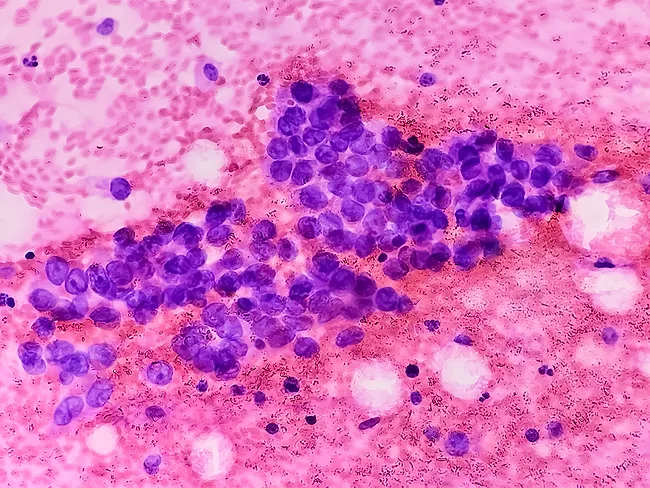
By looking at the electrical activity of tumor cells, rather than the neurons that innervate them, investigators at Baylor College of Medicine have added both basic and translational insights to the emerging field of cancer neuroscience. In their studies, which were published in Cancer Cell on Sept. 5, 2024, the researchers identified the cell of origin for IDH-mutated gliomas.
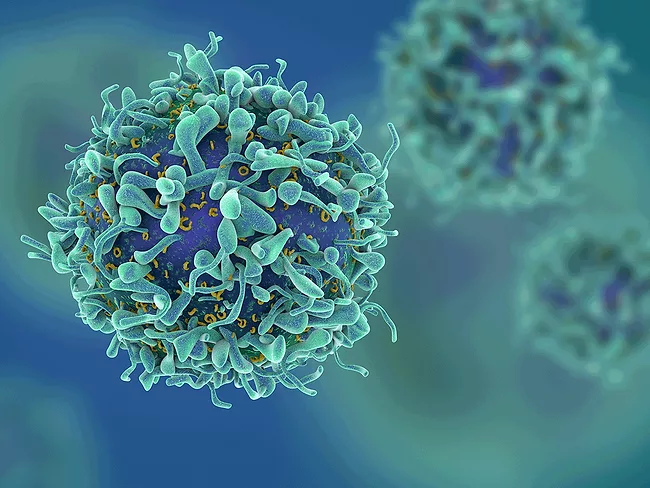
Immunotherapy based on T cells is the vanguard of cancer treatments. Researchers from Washington University in St. Louis have shown that similar approaches using T cells could be applied for treating injuries of the central nervous system (CNS). They reported their findings in Nature on Sept. 4, 2024.
Microbiotica Ltd. is poised to advance two of its microbiome-derived products into the clinic after securing regulatory approval and fresh finance. The first live bacterial therapeutic, MB-097, will be tested in combination with Keytruda (pembrolizumab) in patients with advanced melanoma who have not responded to treatment with immune checkpoint inhibitors. The second product, MB-310, is a once-daily oral therapy for treating the inflammatory bowel disease, ulcerative colitis.
Since the publication of The Hallmarks of Aging in 2013, aging research has exploded. The field now has more than 300,000 articles on the biological signals of the effect of time on the body. What would Marty McFly, the legendary character from the Back to the Future saga who traveled with his DeLorean time machine from the ‘80s to the ‘50s, think if he visited 2024 and saw laboratories experimenting with techniques to turn back the biological clocks of cells or increase the lifespan of rejuvenated mice?
“There are hundreds of strains of bird flu, and most of them don’t infect humans, or even mammals,” Stephen Cusack told BioWorld. “There are two main reasons for that.” To be able to cause an infection, a virus “has to be able to get into the cell, and for that it needs a receptor,” Cusack said. For influenza viruses, those receptors are hemagglutinin receptors, and they differ in subtle but important ways between birds and mammals.
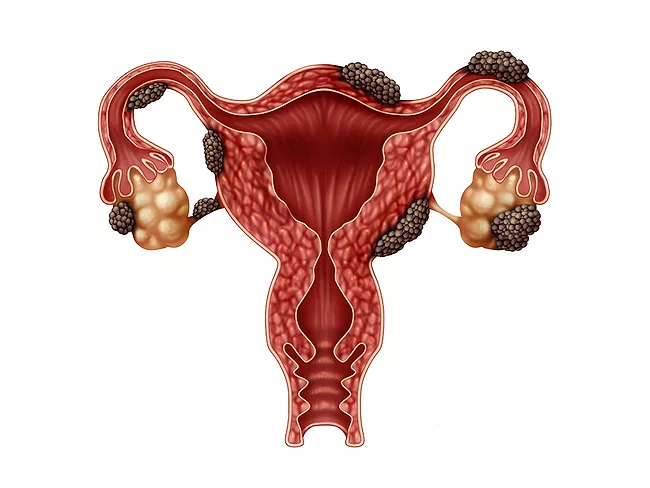
After decades of being woefully under-diagnosed and all but ignored by the biotech and pharma industry, recent advances in understanding its complex etiology could be opening the way to new treatments for endometriosis. Impetus is coming from (modest) increases in funding for basic research, such as the Biden administration’s $200 million for women’s health research and NIH grants under an ‘Advancing cures and therapies and ending endometriosis diagnostic delays’ call announced in March of this year.
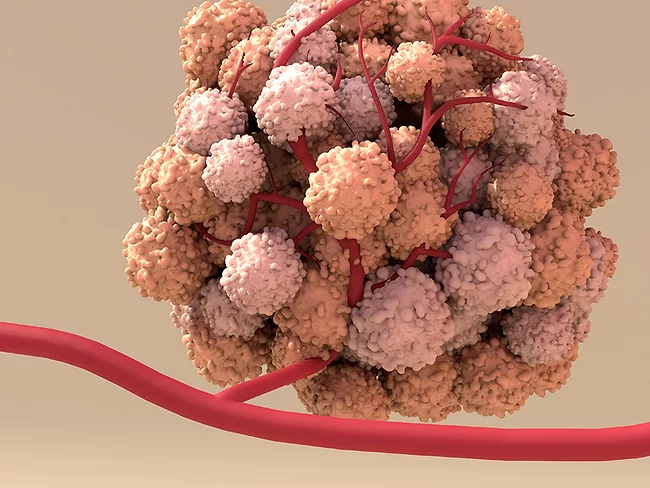
Mutations in the metabolic enzyme isocitrate dehydrogenase 1 (IDH1) induce tumorigenesis due to generation of the oncometabolite (R)-2-hydroxyglutarate (R-2HG). A hallmark of solid tumors carrying mutations in IDH1 is immune evasion by T-cell exclusion and altered epigenetic state. Researchers from the Center for Cancer Research, Massachusetts General Hospital have published a study in Science on July 12, 2024, in which they demonstrate that inhibiting mutant IDH1 restored antitumoral immunity.
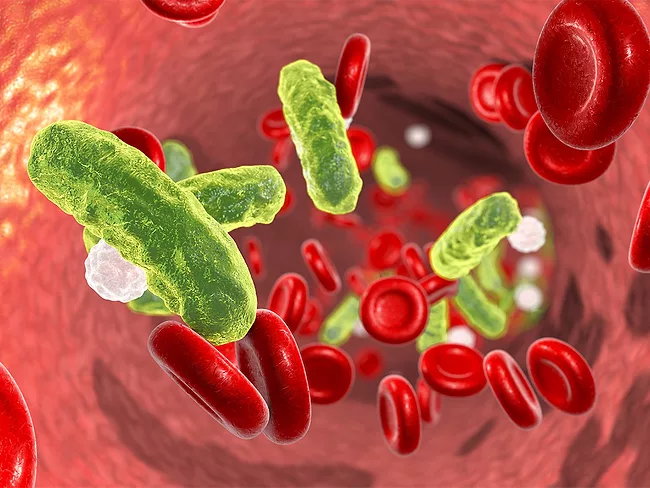
New research has pinpointed gene signatures that determine what immune responses will be activated in the development of sepsis, pointing to novel targets and opening the way for the stratification of clinical trials and for patients to be treated on the basis of their immune response, rather than their symptoms.
A new approach against non-small-cell lung cancer (NSCLC) has combined immunotherapy with molecularly targeted therapy to activate the immune response and inhibit oncogenic pathways, which prevented tumor progression and eliminated cancer cells. Brigham and Women’s Hospital scientists have developed nanoparticles loaded with antibody conjugates that could deliver large amounts of treatment to the tumor tissue. This new strategy could improve the results of conventional immunotherapy in these patients and reduce toxicity of existing treatments.
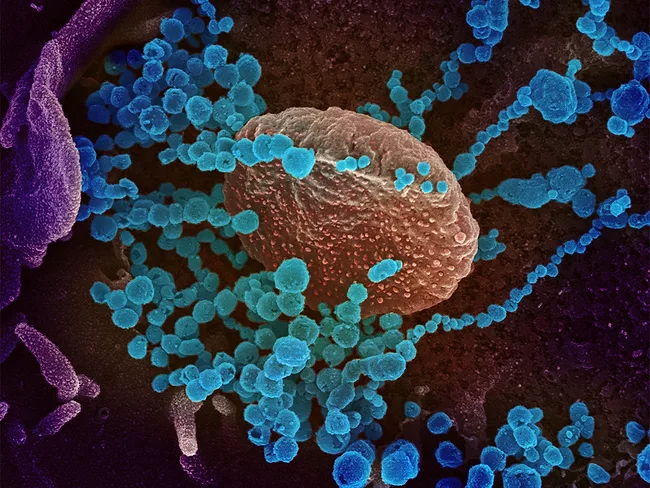
SARS-CoV-2 could proliferate in the lungs causing severe COVID-19 through a special type of immune cell. A group of scientists from Stanford University observed how this coronavirus infected interstitial macrophages through a CD209 receptor, triggering the inflammatory response observed in hospitalized patients.
 RSS
RSS