In July, Leqembi (lecanemab, Biogen Inc./Eisai Co. Ltd.) became the first amyloid-targeting drug to win traditional approval from the U.S. FDA, after getting accelerated approval in January based on the surrogate endpoint of plaque removal.
Korea Institute of Science and Technology has described nuclear factor erythroid 2-related factor 2 (NFE2L2; NRF2) activators acting as nitric oxide (NO) production inhibitors and antioxidants reported to be useful for the treatment of acute respiratory distress syndrome, chronic kidney disease, chronic obstructive pulmonary disease, kidney fibrosis, nonalcoholic fatty liver disease, viral hepatitis, Parkinson’s disease and Alzheimer’s disease.
Xiamen University has synthesized oligopeptides targeting β2-microglobulin (B2M) reported to be useful for the treatment of cancer and Alzheimer’s disease.
Sudo Biosciences Inc. has closed a $116 million series B financing, with the funding raised to be used to advance two investigational TYK2 candidates into the clinic in 2024.
Researchers from Shandong University reported on the preclinical characterization of A3B3C-1, a multifunctional agent for the treatment of Alzheimer’s disease (AD), taking into account its complex nature. With multiple processes involved in its pathogenesis, the exploration of multi-target drugs may fit to address the combination of pathological factors in AD.
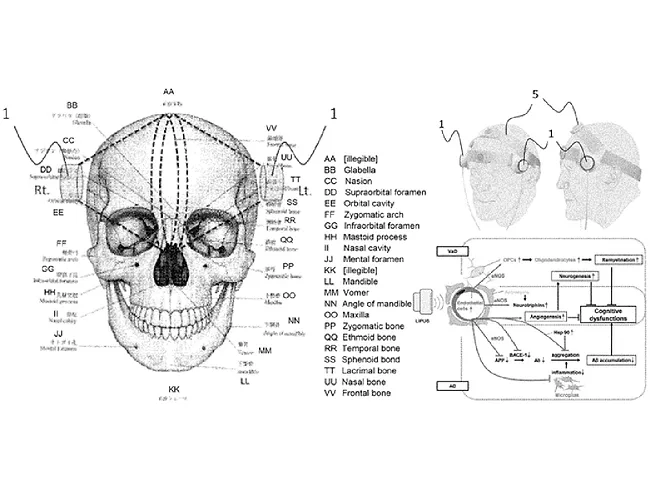
Sound Wave Innovation Co. Ltd. seeks patent protection for a method of using an ultrasonic device which transmits non-converging ultrasonic energy to the brain for the treatment of dementia, including mild Alzheimer’s-type dementia and mild cognitive impairment.
Vandria SA has announced a series A financing round raising $20.6 million (CHF18 million) to help advance its pipeline of first-in-class small-molecule mitophagy inducers.
For the second time this week, a contract research organization has come under fire for trial-conduct issues – criticism leveled most recently by Biovie Inc., which saw its shares (NASDAQ:BIVI) tumble $3.03, or 60%, to end Nov. 29 at $1.96 on missed-endpoint data from the phase III trial testing Alzheimer’s disease prospect NE-3107. The data fell short of statistical significance due to site exclusions caused by what Biovie said were “significant good clinical practice violations and protocol deviations.”
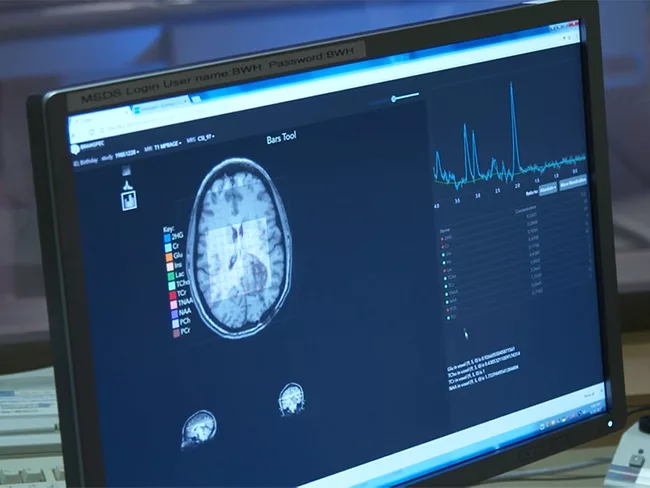
Brainspec Inc. received U.S. FDA 510(k) clearance for use of its artificial intelligence platform, Brainspec Core, in noninvasive measurement of brain chemistry using magnetic resonance spectroscopy (MRS).