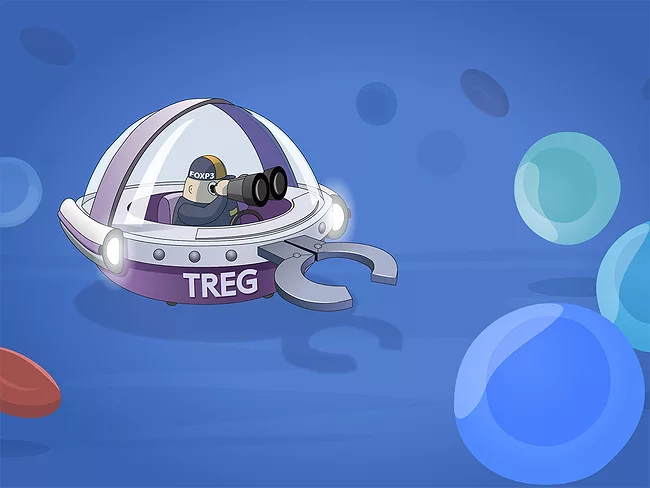
The Nobel Committee announced today that it has awarded the 2025 Nobel Prize in Physiology or Medicine to three scientists for their discovery of regulatory T cells, which are a critical part of the way the body prevents autoimmune attacks.
Pharma companies are collaborating to boost the power of artificial intelligence (AI) in drug discovery by allowing access to proprietary structural data to train a large language model. Each of the partners is contributing data from several thousand experimentally determined protein:ligand interactions, creating one of the most diverse datasets and the richest chemistry assembled to date for model training.
The Human Cell Atlas project has delivered a fresh tranche of data mapping fibroblasts in healthy and diseased skin and pointing to drug targets with potential in multiple diseases across a range of tissues. Using single cell sequencing and spatial genomics, a technique for showing how gene expression varies at different locations within a tissue, nine different subpopulations of fibroblasts were identified, six in healthy skin and three in disease samples.
The Royal College of Psychiatrists in the U.K. has published its first-ever guidance to support research into psychedelic drugs as therapies for conditions including treatment-resistant depression, substance abuse disorders and posttraumatic stress disorder, saying that in a fast-moving field there is a risk of jumping ahead of the evidence.
A new generative AI model trained on UK Biobank data can simultaneously forecast the risks and timing of developing over 1,000 different diseases a decade into the future. The developers applied similar algorithmic concepts to those used to develop large language models like ChatGPT and Gemini to build the model, using medical records from 402,799 participants in UK Biobank.
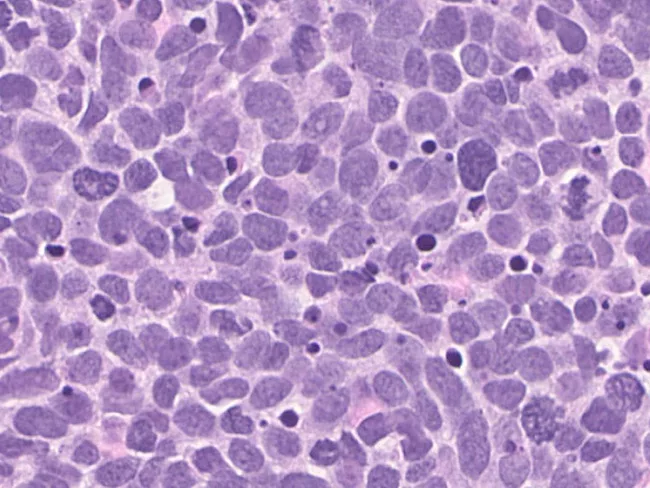
Two back-to-back papers published in Nature on Sept. 10, 2025, shed new light on the unexpected role of neurons in shaping the evolution of small-cell lung cancer (SCLC). It’s already known that, in gliomas, cerebral cancer cells actively damage axons, contributing to tumor progression through direct neural disruption. Comparable nerve-tumor interactions have been reported in peripheral cancers, where tumor-induced nerve disruption promotes inflammation and an immunosuppressive microenvironment linked to immunotherapy resistance.
When Robert Kennedy Jr. announced the cancellation of 22 projects related to mRNA vaccines and the end of new investments in that technology, the U.S. Secretary of Health only mentioned their use against respiratory viruses, without referring to other applications. The vaccines whose safety and effectiveness Kennedy is questioning are based on the same molecular principles as cancer vaccines under development. “Continued investment in mRNA technology is essential to fully realize its potential in oncology and ensure that promising strategies like neoantigen-based vaccines reach clinical application.” Kazuhiro Kakimi, professor at the Department of Immunology at Kindai University Faculty of Medicine, told BioWorld.
An ongoing concern for scientists is that there will be across-the-board funding cuts. This is already happening in mRNA research, where reductions affected coronavirus-related projects. During the pandemic, efforts focused on this pathogen, and once the health emergency was over, grants for antivirals were eliminated. However, these drugs could stem future outbreaks. Despite the cuts, recent research continues to demonstrate the potential of mRNA, not only for the development of antivirals, but also for obtaining more effective and longer-lasting vaccines.
In August, a press release from HHS announced the cancellation of 22 vaccine research projects based on mRNA, the latest available technology aimed at developing therapies for viral infections, cancer, and genetic conditions. What happens to mRNA innovation when funding dries up? This series explores how reductions in funding could impact mRNA technology, affecting innovation, research and future therapies.
Researchers from the CUNY Advanced Science Research Center and their collaborators recently published a paper in Science Advances on Aug. 27, 2025, about synthetic carbohydrate receptors (SCRs) and their potential as broad-spectrum antivirals by targeting the viral envelope N-glycans. They described the antiviral activity of a series of tetrapodal SCRs both in vitro and in vivo, showing their potential as broad-spectrum inhibitors of viral infection.
 RSS
RSS