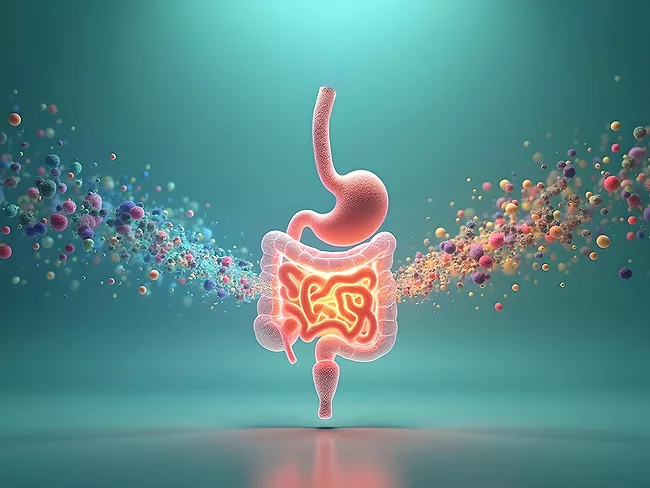
Is fecal microbiota transplant effective? Is it really safe? And is it really all the same? Scientists at the University of Chicago have investigated the regional differences in gut environments to question these interventions to analyze the microbiome differences and their effects after transplantation form different intestine areas. The results show how host-microbe mismatches after these interventions could affect gut health.
Researchers at the Massachusetts Institute of Technology and Recursion Pharmaceuticals Inc. have released an open-source AI model that can predict the binding strength of small molecules as well as structures of proteins and biomolecular complexes. The model, which is called Boltz-2 and was released by the research team on the developer platform Github on June 6, addresses a major bottleneck in drug discovery with its improved ability to predict binding strengths.
A publication based on longitudinal and cross sectional data and led by researchers at the U.S. NIH’s National Institute on Aging published on June 5, 2025, in Science has stated that the impact of taurine supplementation at delaying aging or treating aging-related conditions is context-dependent, and that the circulating levels of taurine are impacted by factors unique to each individual rather than declining with age. To qualify taurine as a true marker of aging, it should change with age across diverse populations over time and ideally supported by longitudinal data.
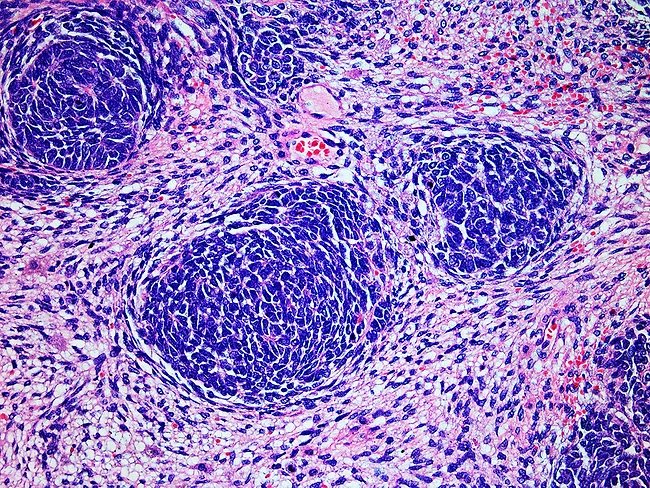
Researchers in the U.K. have overthrown the orthodox view that childhood cancers have a low mutation burden, opening up new drug targets and opportunities for repurposing existing therapies. In particular, a high mutation rate is associated with a response to cancer immunotherapy. But although PD-1 checkpoint inhibitors are approved for treating pediatric cancers with a high level of microsatellite instability mutations, in general it is thought childhood tumors are not amenable to immunotherapy.
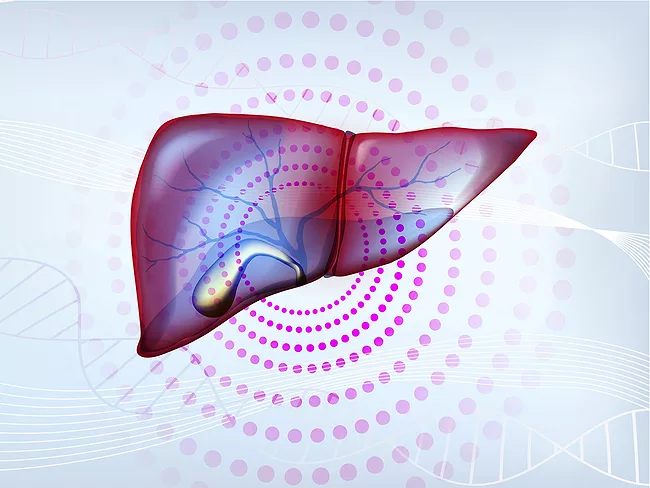
Researchers have identified KpsM as a virulence factor in Escherichia coli that was responsible for liver damage in alcohol-associated hepatitis (AH). A small-molecule inhibitor of KpsM reduced liver damage in animal models of AH.
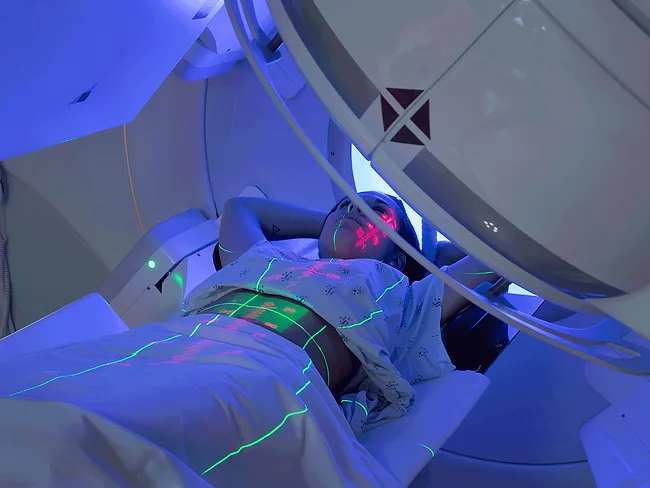
Researchers at the University of Chicago have shed light on the role of tumor-promoting factors induced by radiotherapy and their potential impact on future therapeutic strategies. The article, published in Nature on May 14, 2025, points to radiation-induced amphiregulin as a key driver of tumor metastasis.
Gene and cell therapies (GCTs) can target the kidney to treat congenital, acute or chronic diseases affecting this organ. However, its complex structure poses a challenge for these technologies. To be precise and effective in the long term, new approaches should circumvent the specificities of renal tissue, with novel methods of delivery and gene transfer to offer new therapeutic options for patients who lack them.
Immunity is not a function most people particularly associate with the liver. But because of its connection to the gut, the liver is exposed to bacterial metabolites as few other organs are. And when either the liver or the gut is not functioning well, it can adversely affect immunity as well. The liver is connected to the gut via both the biliary system and the portal vein. Those two conduits allow metabolites from the gut microbiome to influence what’s going on in the liver. Both liver and gut damage can affect this communication for the worse. And surprisingly, one of the consequences is immune dysfunction.
“I’m a pediatrician in metabolic diseases, and every day in my clinical work I’m confronted with our lack in effective therapies for our patients.” That was the sobering introduction by Sabine Fuchs in her talk at the 2025 Congress of the European Association for the Study of the Liver in Amsterdam this week. The nature of metabolic diseases makes it difficult to develop treatments for them. “There are over 1,500 diseases known by now, and it is just very difficult to develop therapies for each and every individual rare disease.”
Nuevocor Pte. Ltd. has closed a $45 million series B, enabling it to move lead gene therapy NVC-001 into the clinic in the treatment of an inherited form of cardiomyopathy.
 RSS
RSS