Researchers from the Chinese Institute for Brain Research, the Chinese Academy of Medical Sciences, and their collaborators have identified adenosine as the driving force behind the rapid, fast-acting antidepressant effects of ketamine and electroconvulsive therapy (ECT). “Our journey into this area of research began over a decade ago, around 2013, when the clinical world was buzzing with excitement about ketamine's remarkably rapid antidepressant effects,” Minmin Luo, co-senior author of the study, told BioWorld.
South Korean researchers led by Lee In-suk of Yonsei University have reported the most complete oral microbiome catalog to date, with more than 72,000 genomes. Detailed in Cell Host & Microbe on Nov. 12, 2025, the database is expected to serve as a universal platform for academia and enable “precision microbiome medicine” for the industry, Lee told BioWorld.
The U.K. government has published a road map for phasing out animal testing in life sciences research and announced £75 million (US$98.6 million) for work to develop nonanimal models, leaving scientists concerned because they say, in many cases, there can never be meaningful alternatives to using live animals.
The U.K. government has published a road map for phasing out animal testing in life sciences research and announced £75 million (US$98.6 million) for work to develop nonanimal models, leaving scientists concerned because they say, in many cases, there can never be meaningful alternatives to using live animals.
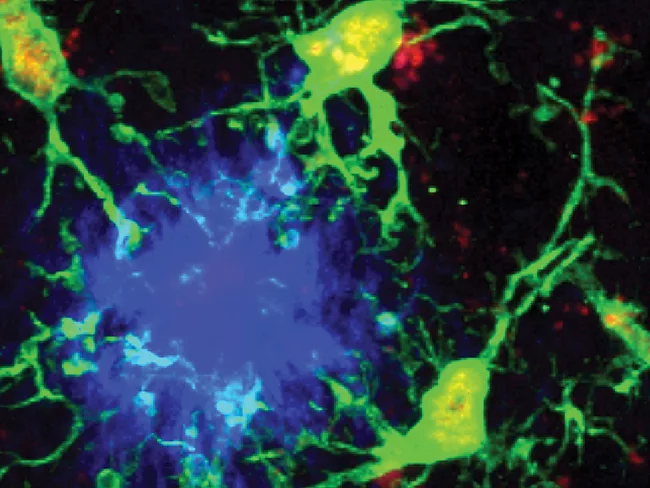
In Alzheimer’s disease, microglia act as a double-edged sword. They can either protect the brain or worsen the damage, depending on their activation state. Inflammatory activation harms healthy neurons. However, a study reveals that a special type of microglia expressing specific receptors and behaving like T cells may help mitigate this neurodegenerative condition.
Blocking progesterone receptor (PR) activity has long been viewed as a possible approach to breast cancer prevention. Historically, most supporting evidence came from animal models, epidemiological studies or mechanistic pathway analyses. Now, a team at the University of Manchester has uncovered direct mechanistic and clinical evidence that PR antagonists can reprogram the breast tissue microenvironment, suggesting a novel avenue for reducing breast cancer risk in women.
Enara Bio Ltd. is staking a claim to having validated the first in a new class of tumor antigens derived from unannotated regions of the dark genome, describing its findings in talks and posters being presented at the Society of Immunotherapy in Cancer (SITC) meeting in National Harbor, Md., Nov. 5-9, 2025.
At the AACR-NCI-ORTC conference, researchers from Dewpoint Therapeutics Inc. presented advances in targeting MYC condensates, revealing a potential breakthrough strategy for treating cancers driven by MYC – a well-established oncogenic driver that is frequently overexpressed or amplified across a range of human cancers.
Bowhead whales (Balaena mysticetus) live year-round in the icy or near-icy waters of the Arctic and sub-Arctic. Although they migrate with the seasonal cycles of ice formation and melting, they never reach the warmer waters visited by other large marine mammals. Their adaptation to low temperatures may have also enabled them to live longer and avoid cancer, a disease closely linked to aging.
At this year’s AACR-NCI-EORTC conference, several presentations brought to light new ways to tackle the treatment of genomically unstable cancers. Genomically unstable cancers can be treated by exploiting their repair dependencies, inducing catastrophic DNA damage, or harnessing immune responses to instability.
 RSS
RSS